
1959
(Age 32-33)CRW talks about Daniel Covey Williams:
Dan Born
March 9, 1959
Priest Advisor
Holladay 12th Ward
SM Covey Dies
Stephen Mack Covey who founded the original Little America Wyoming near Granger, Wyoming.
2nd Counselor Bishopric
Holladay 12th Ward
Bishop M. Russell Ballard
1st Counselor, Byron L. Turner
2nd Counselor, Clayton Ray Williams
Daniel Covey Williams
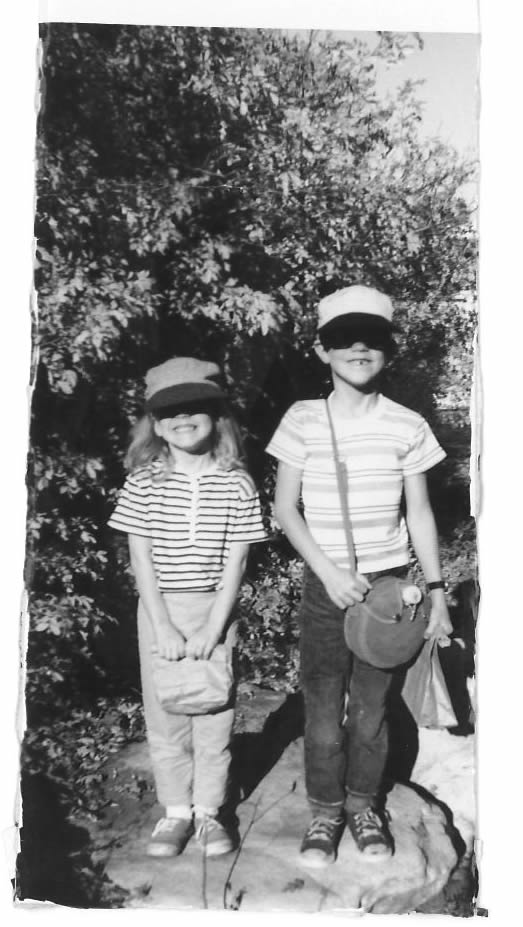
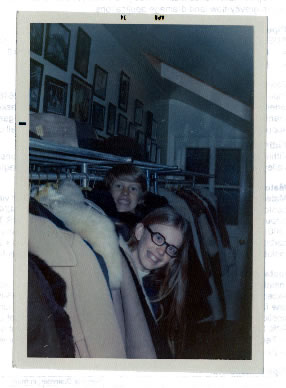
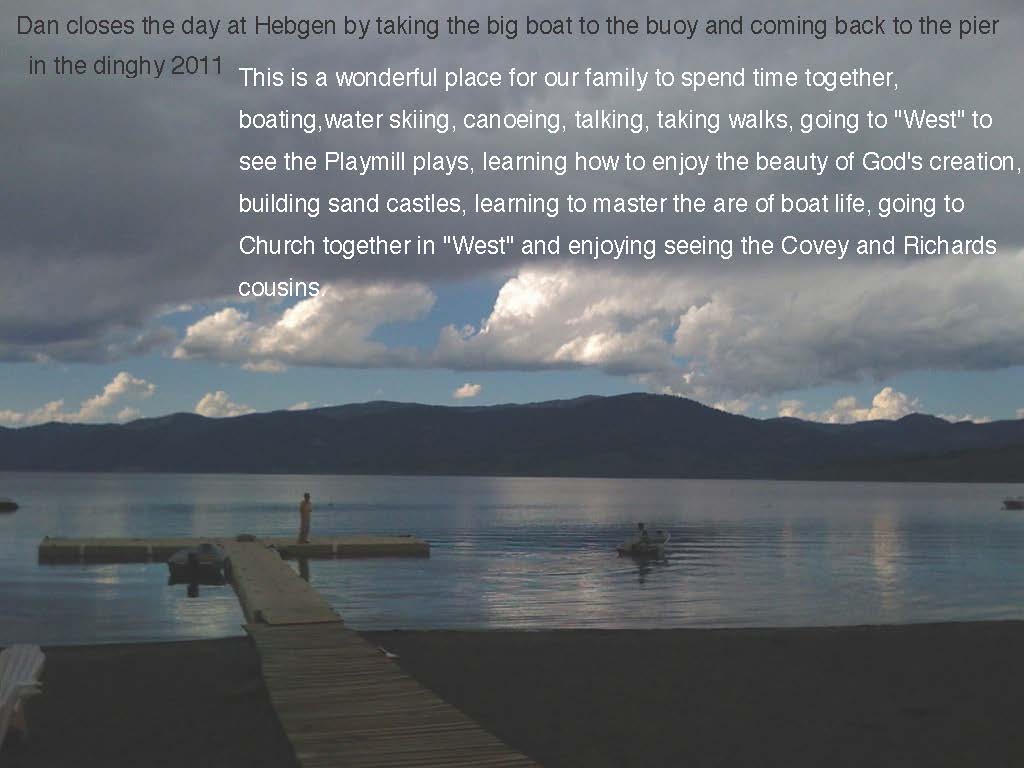
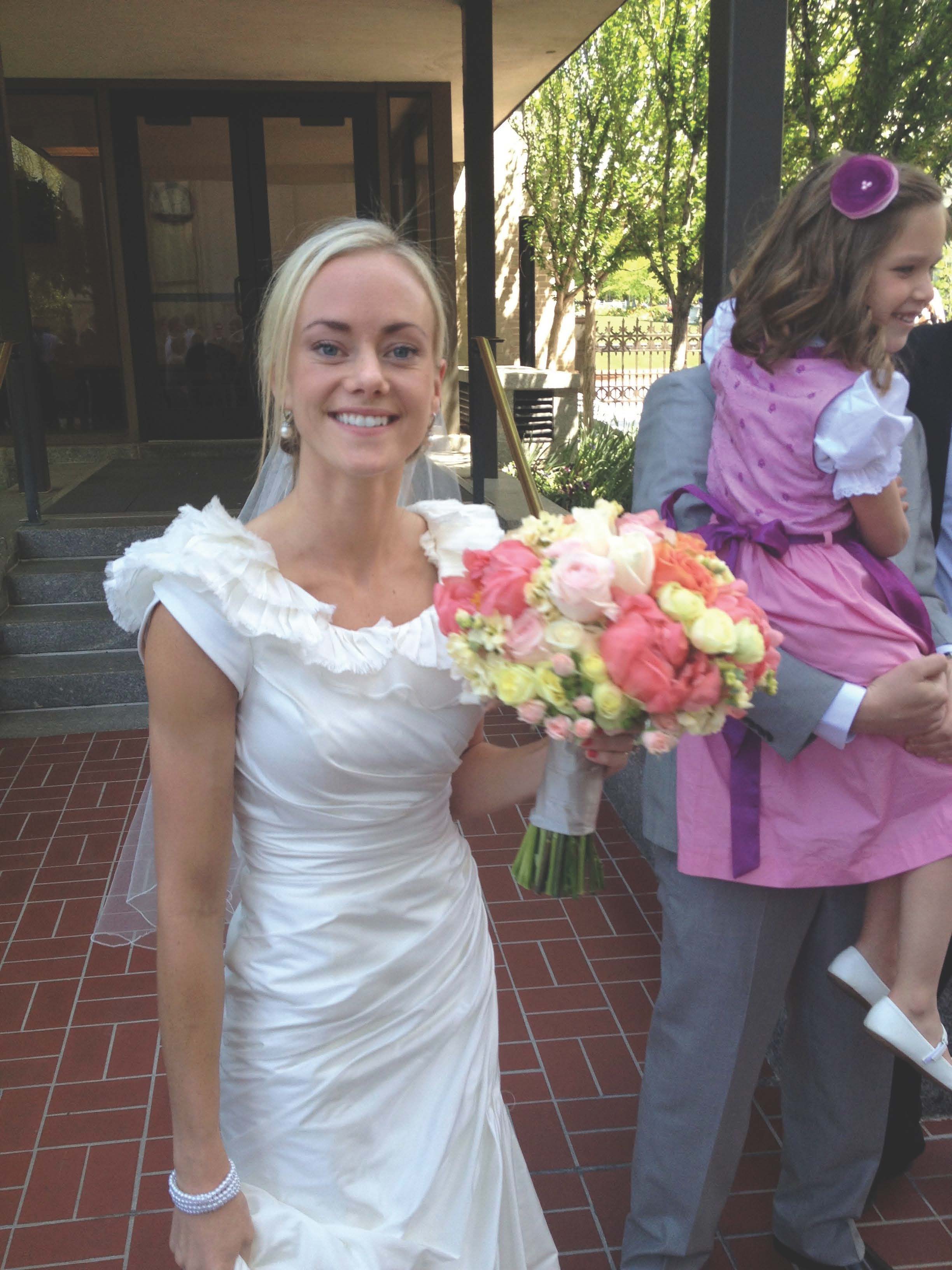
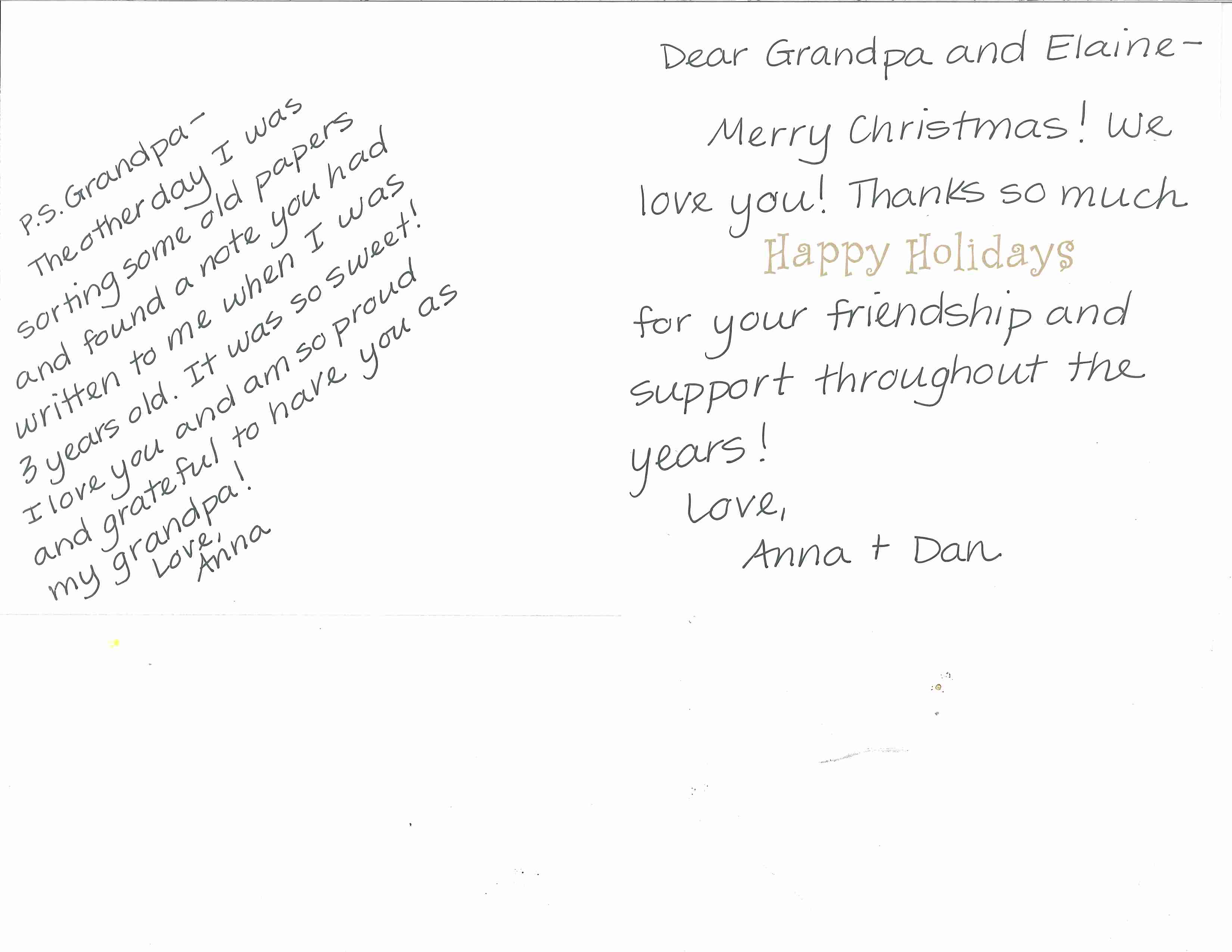
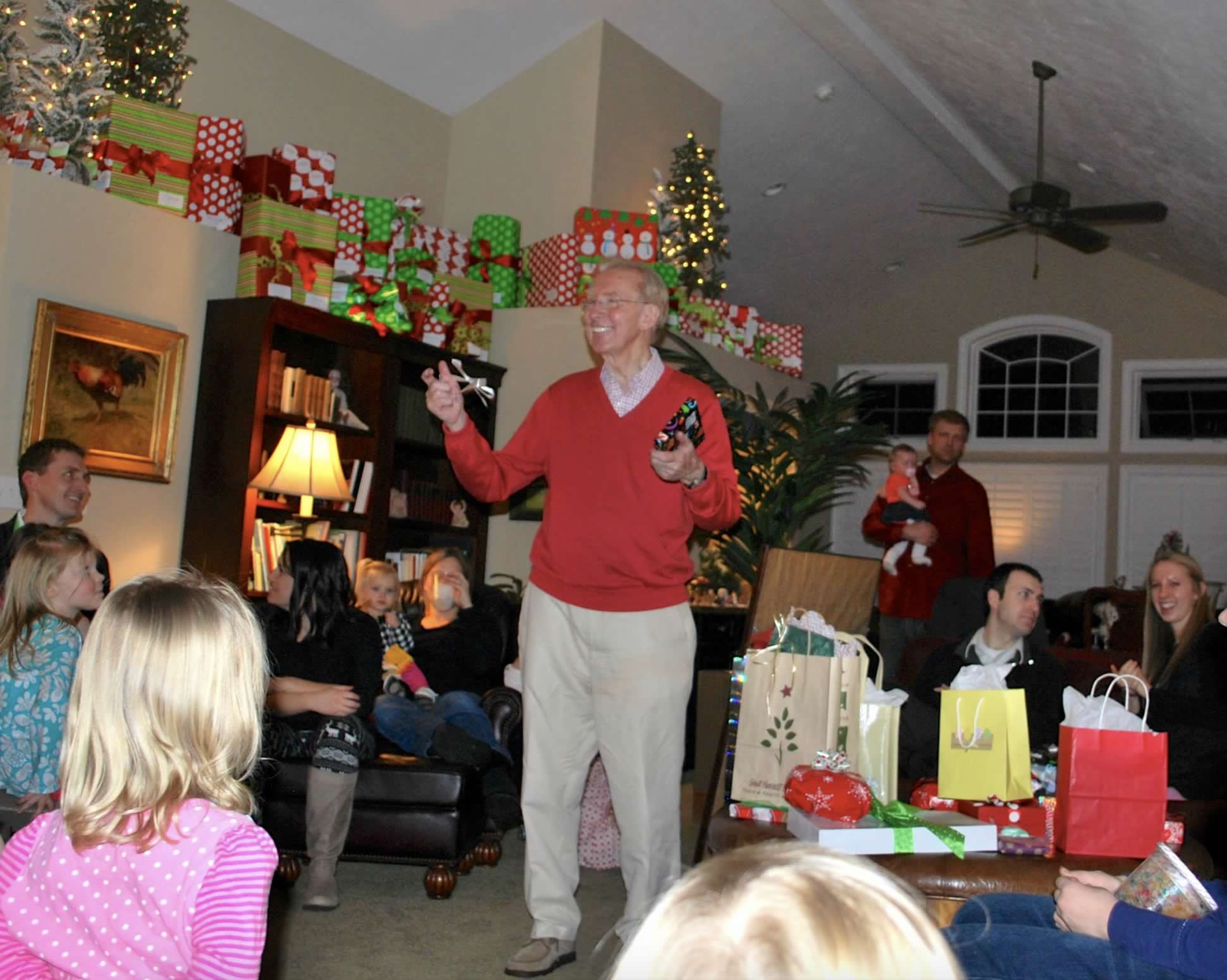
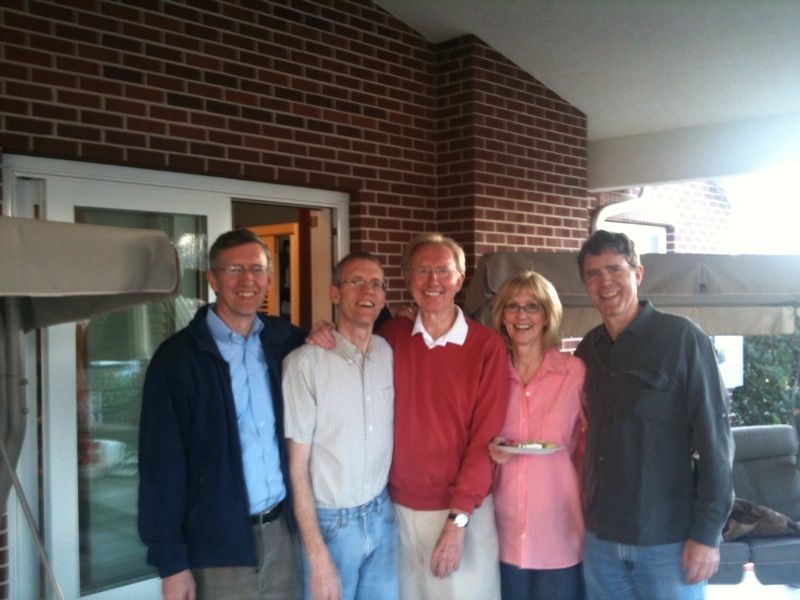
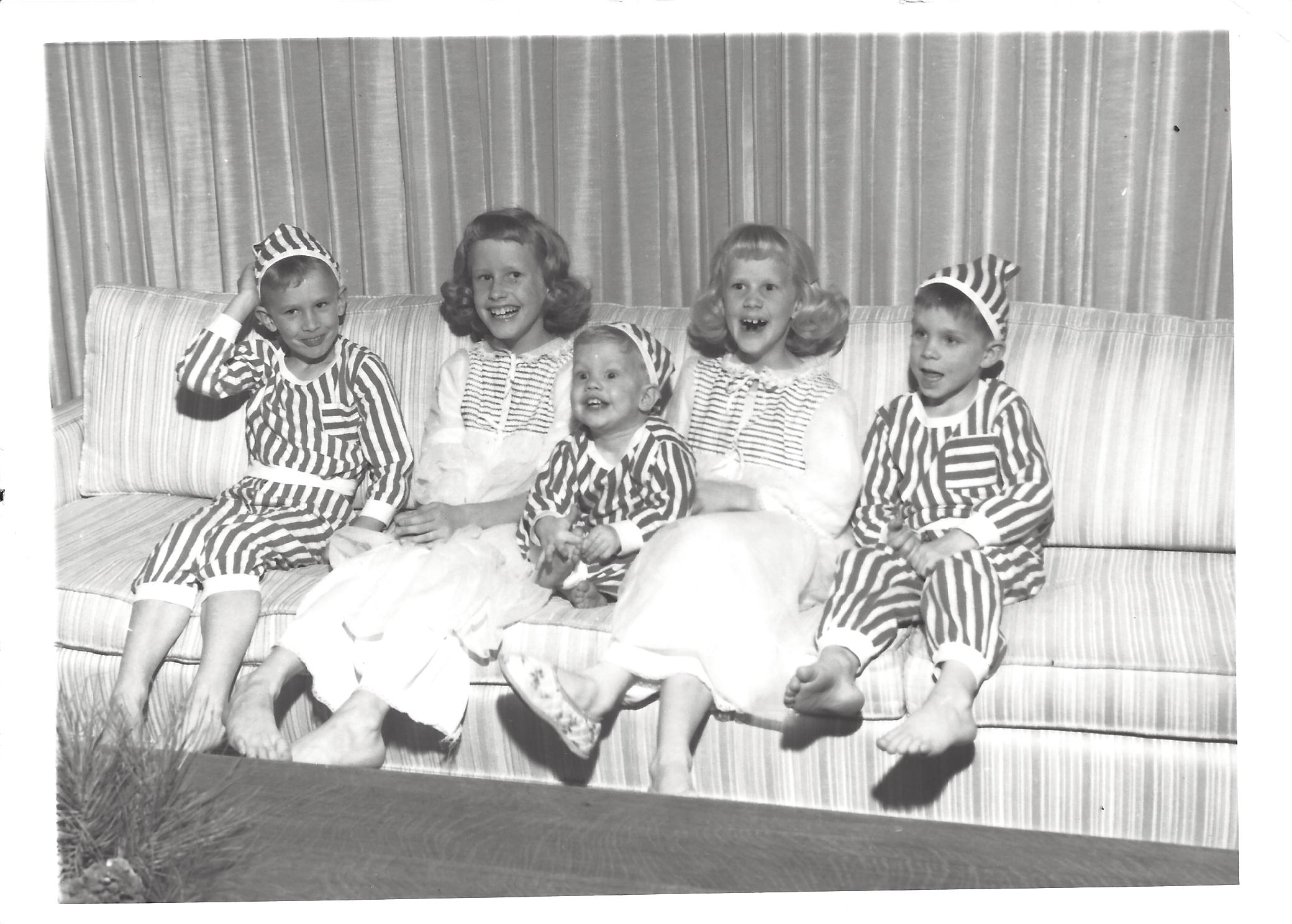
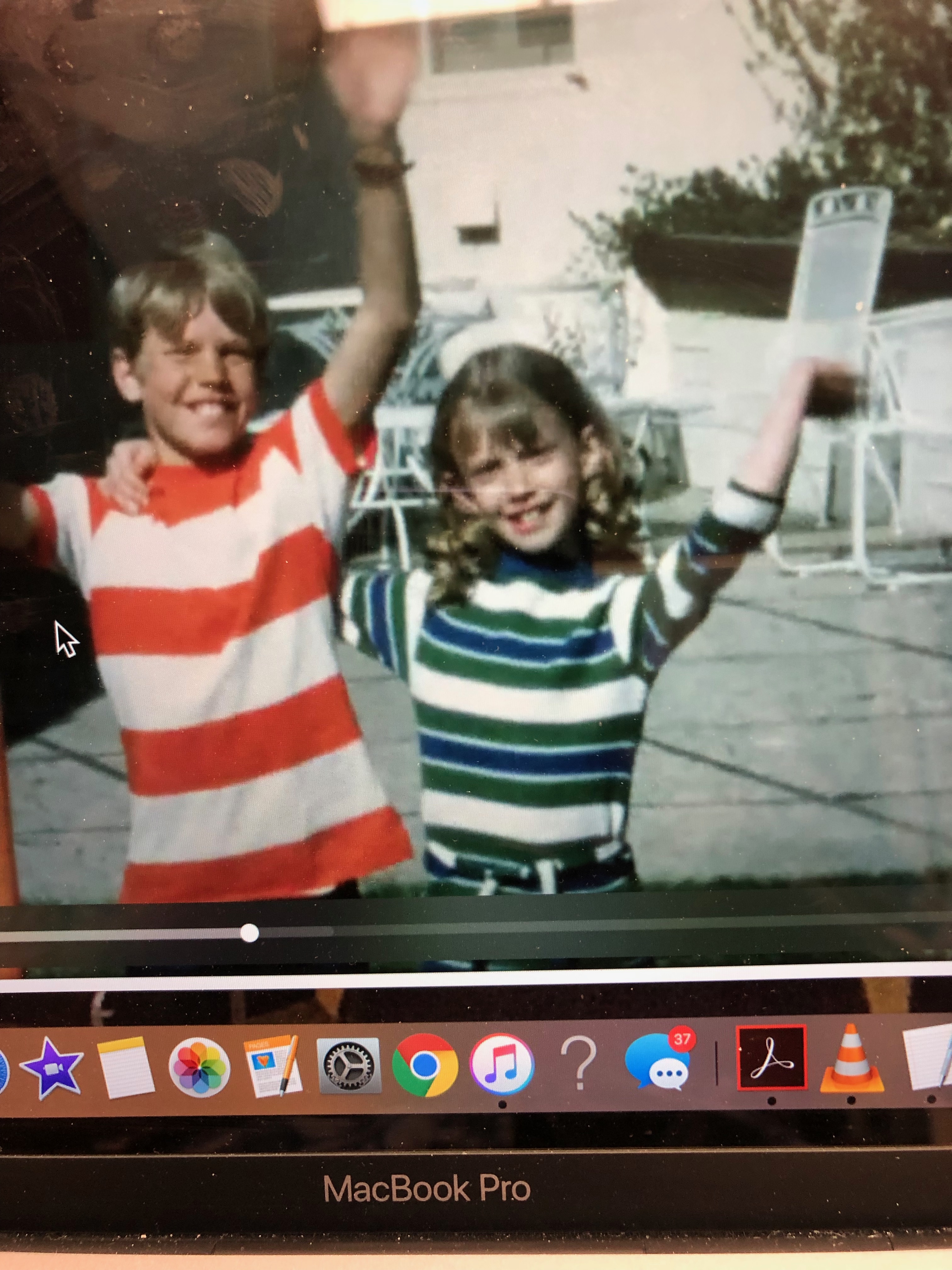
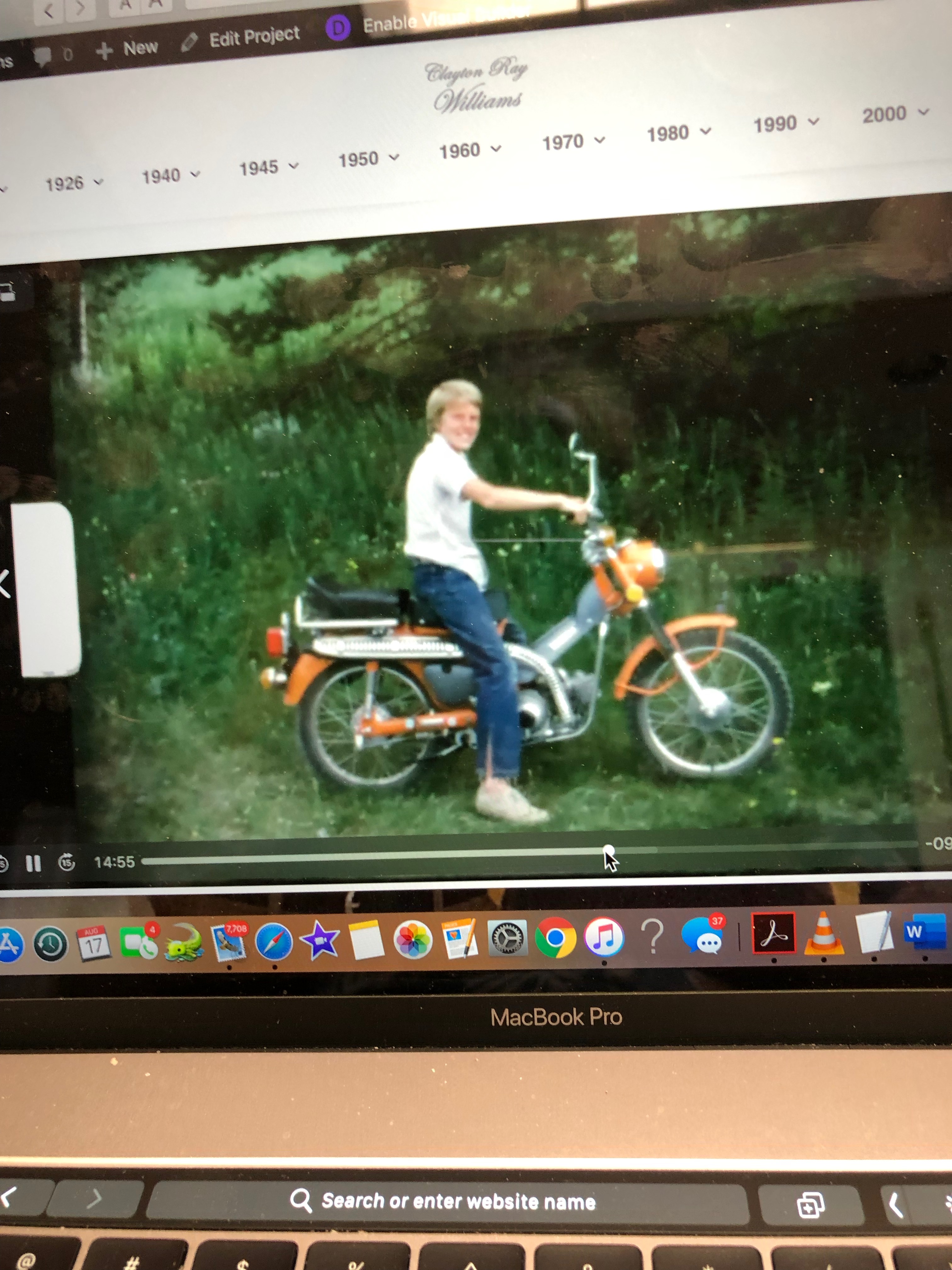
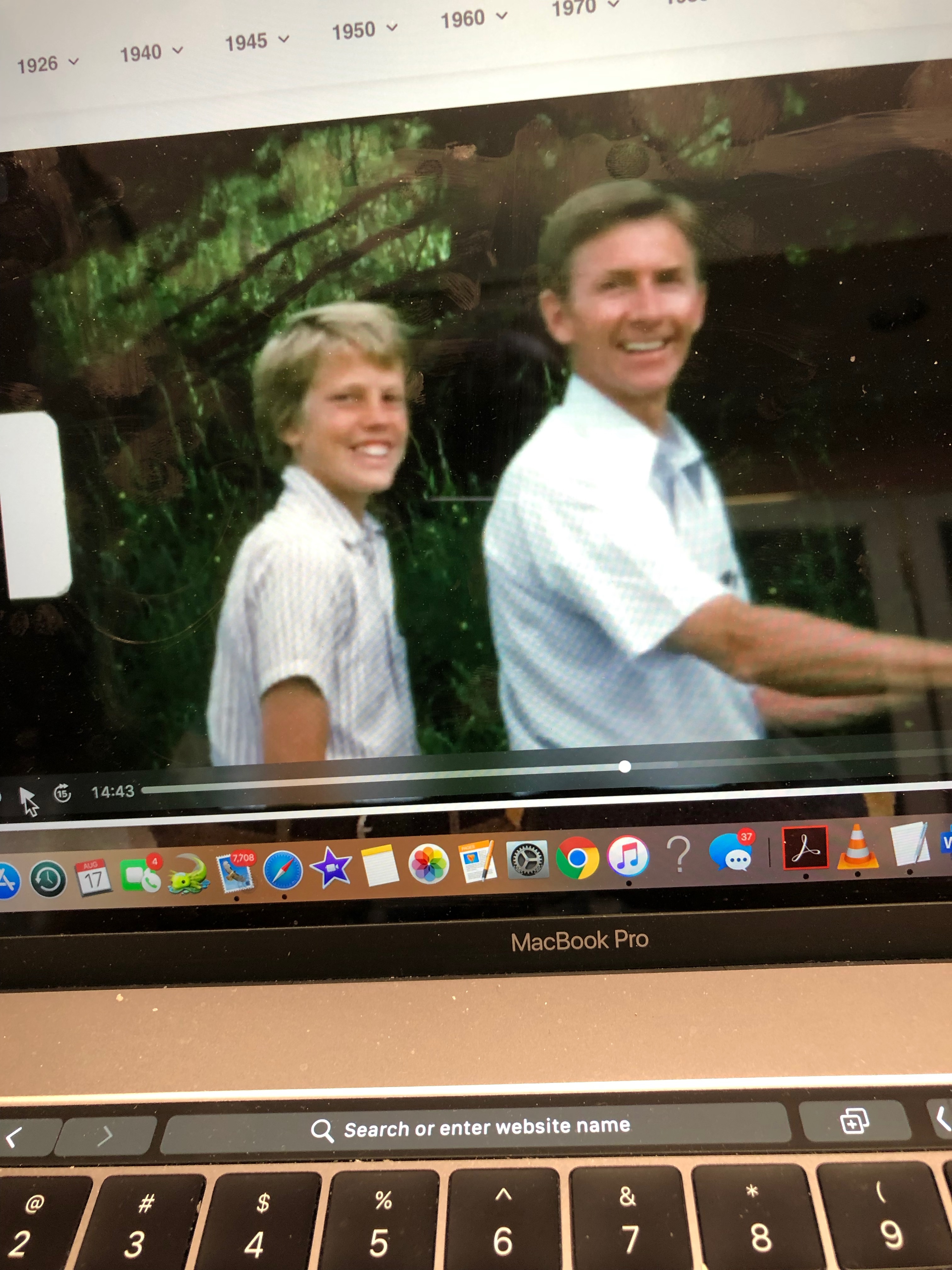
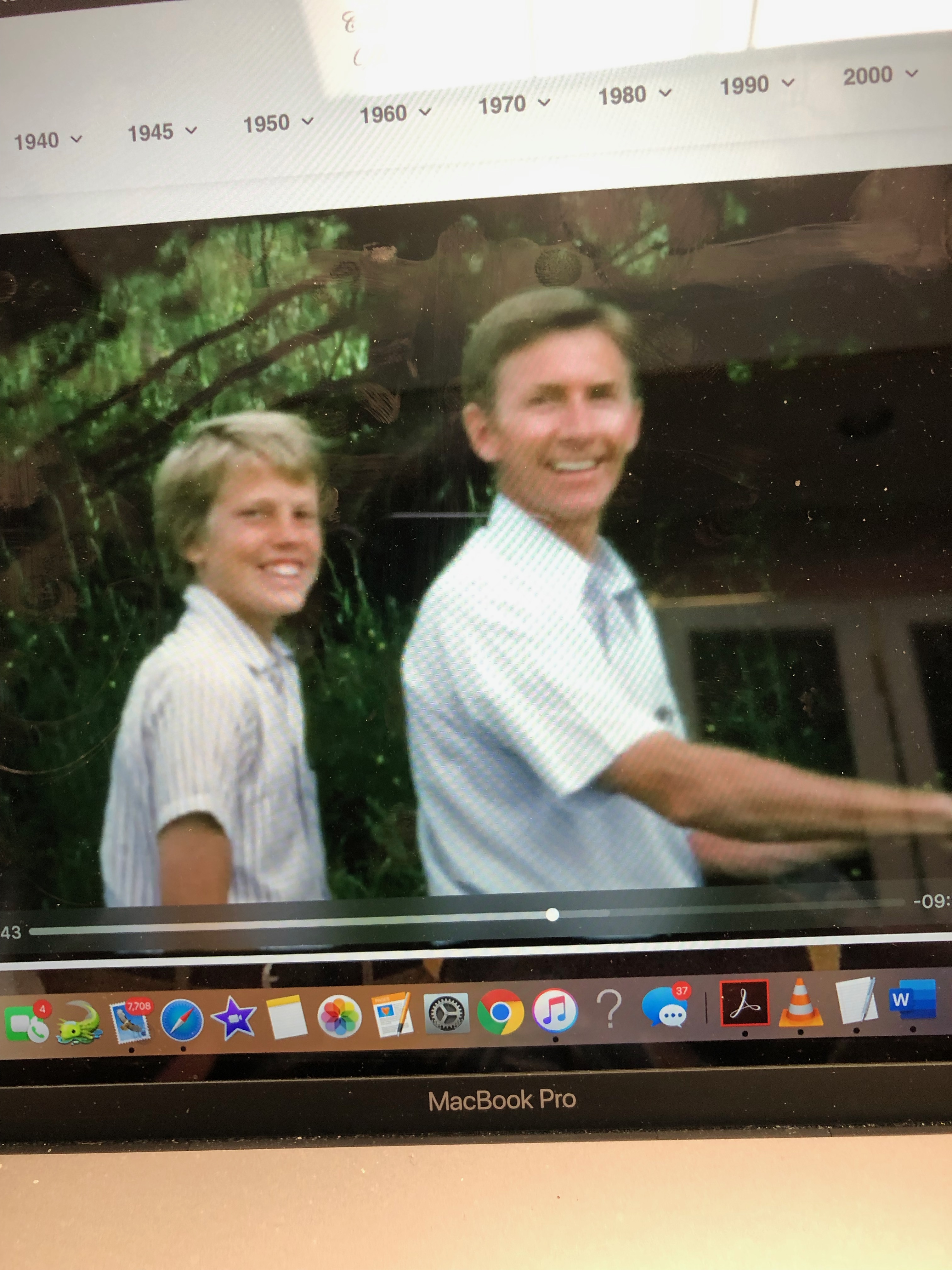
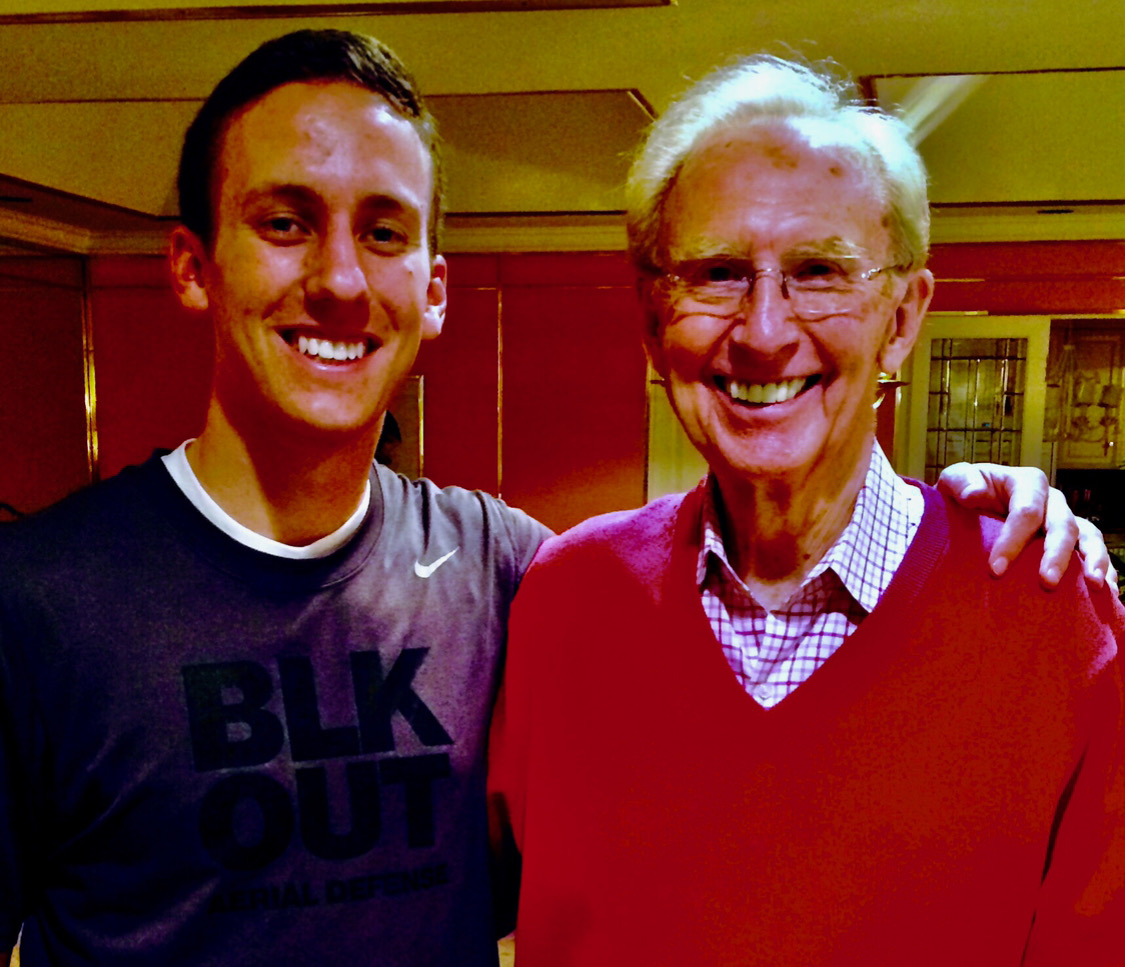
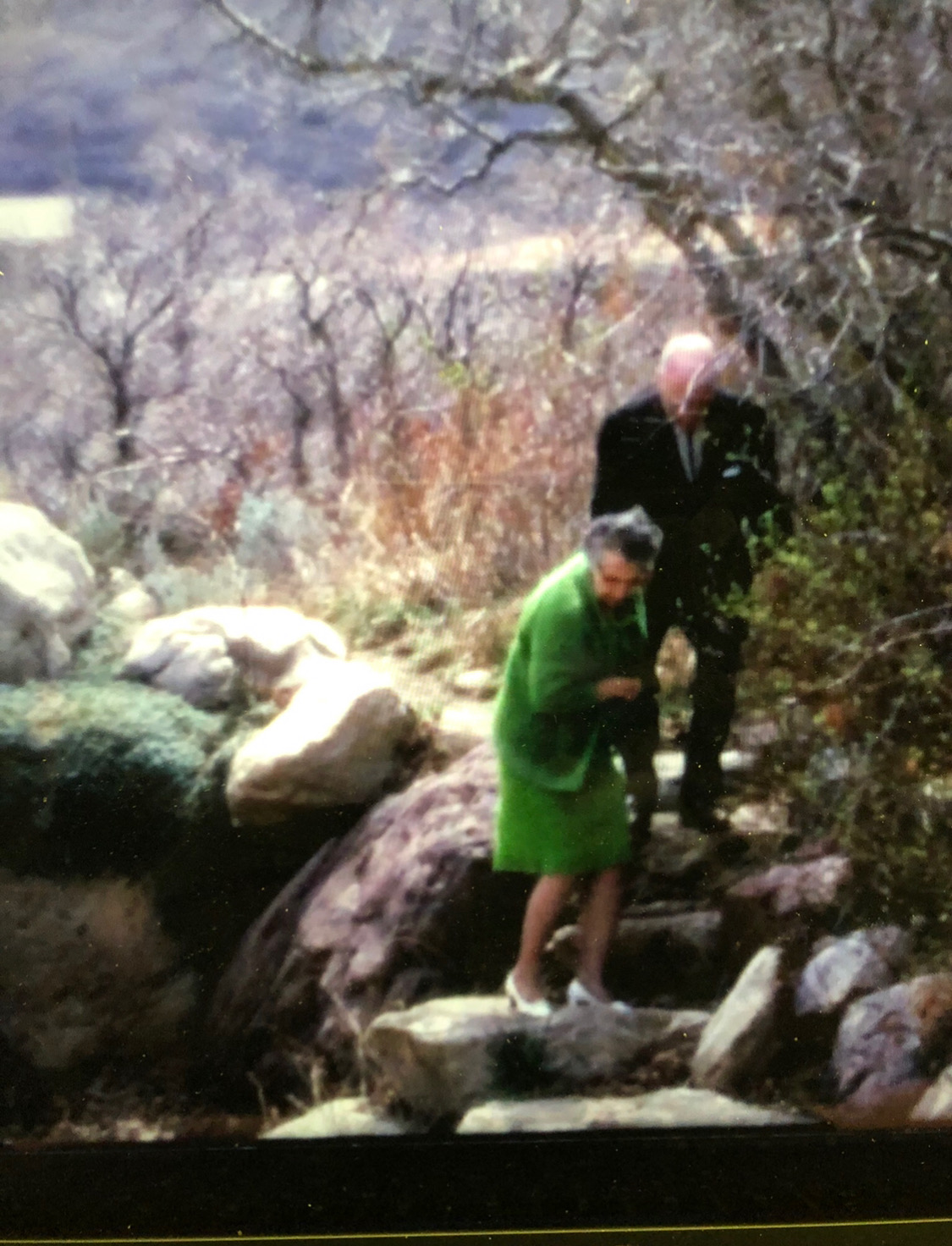
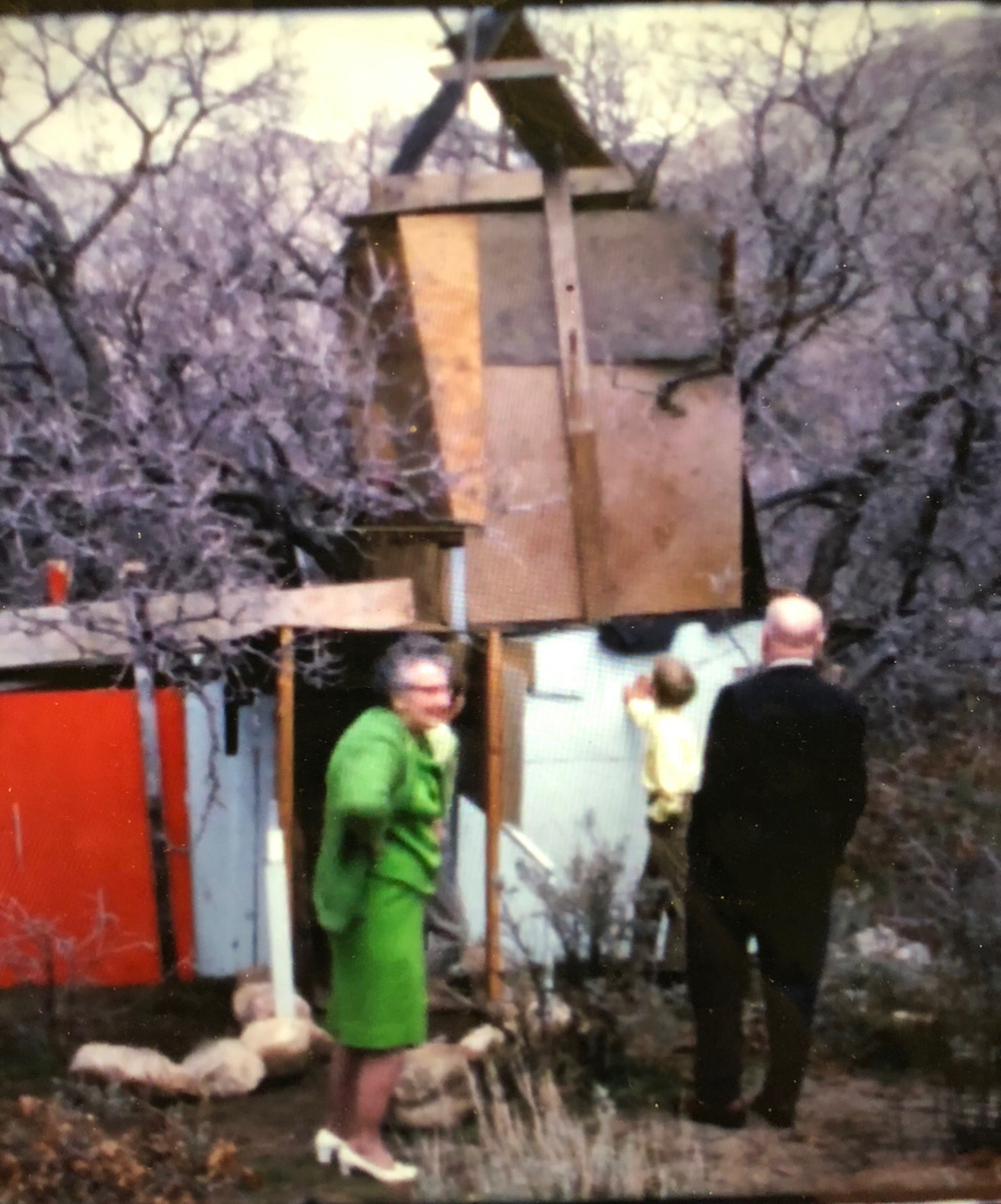
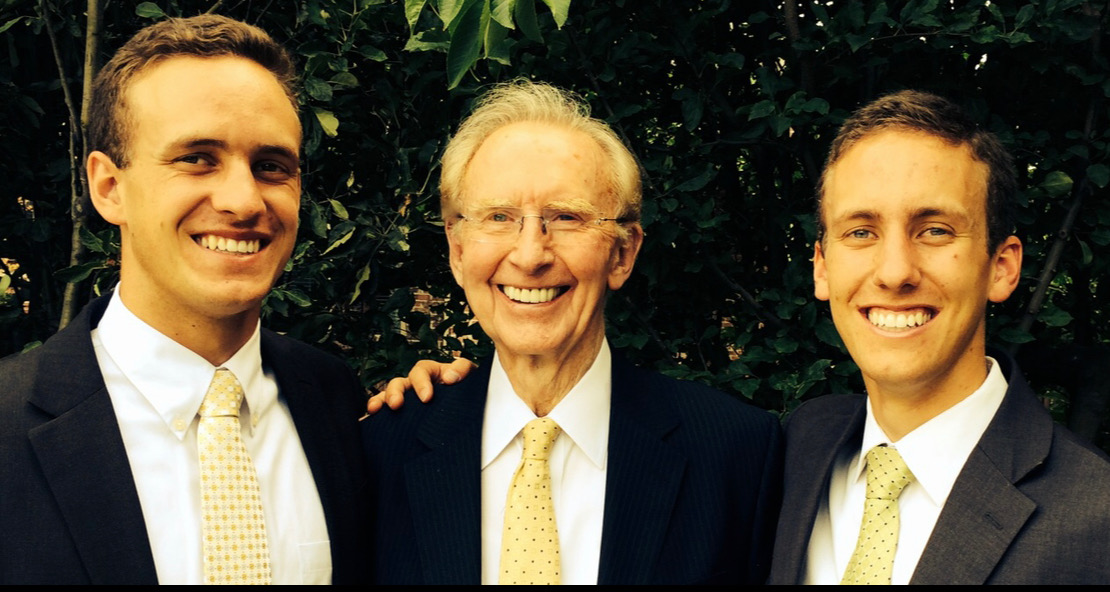
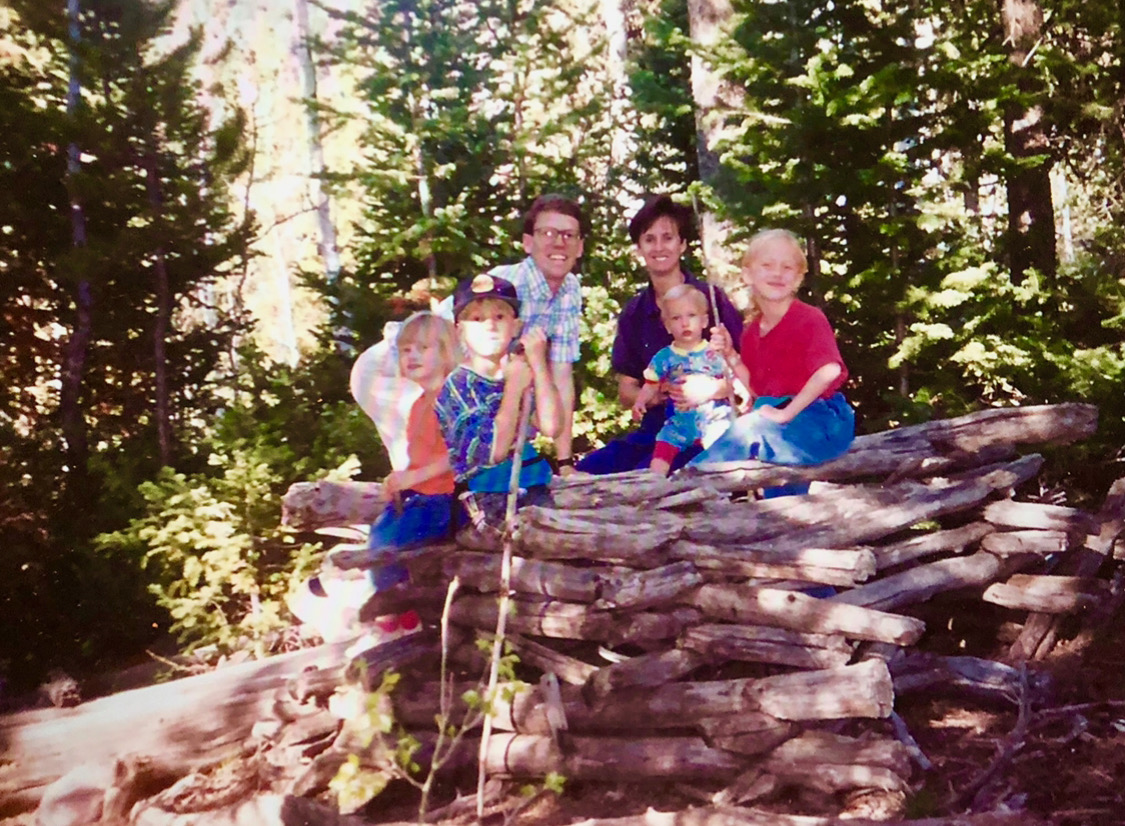
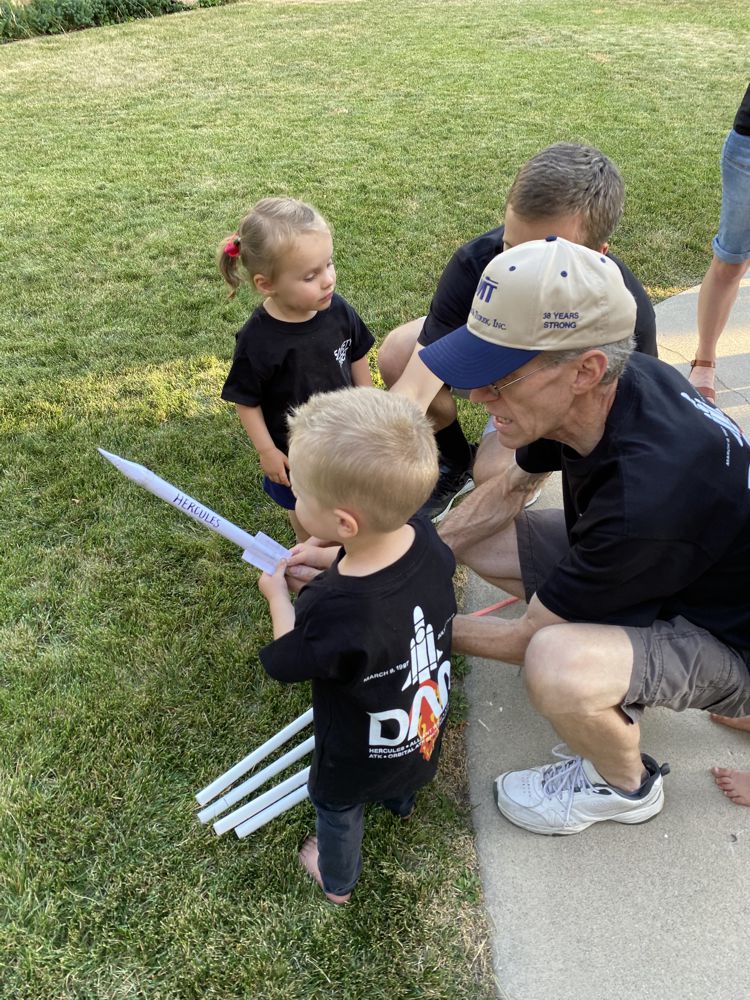
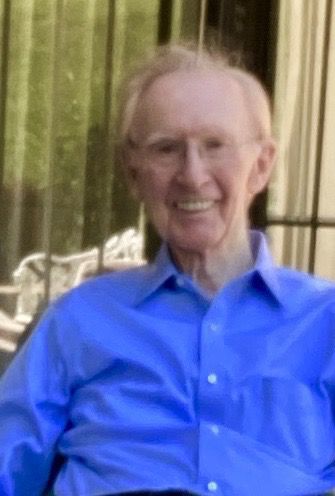
Special Section Dedicated to Daniel Covey WilliamsMemorable Pictures of Dan and his family:

















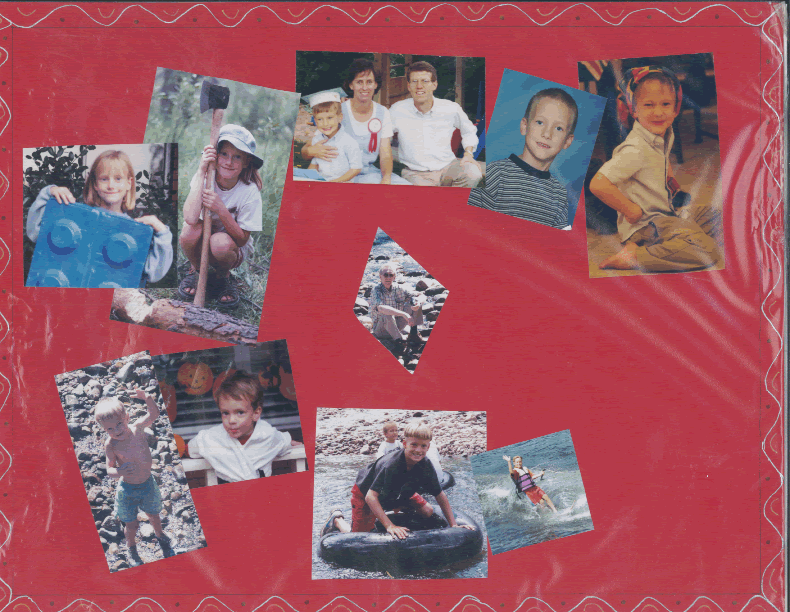

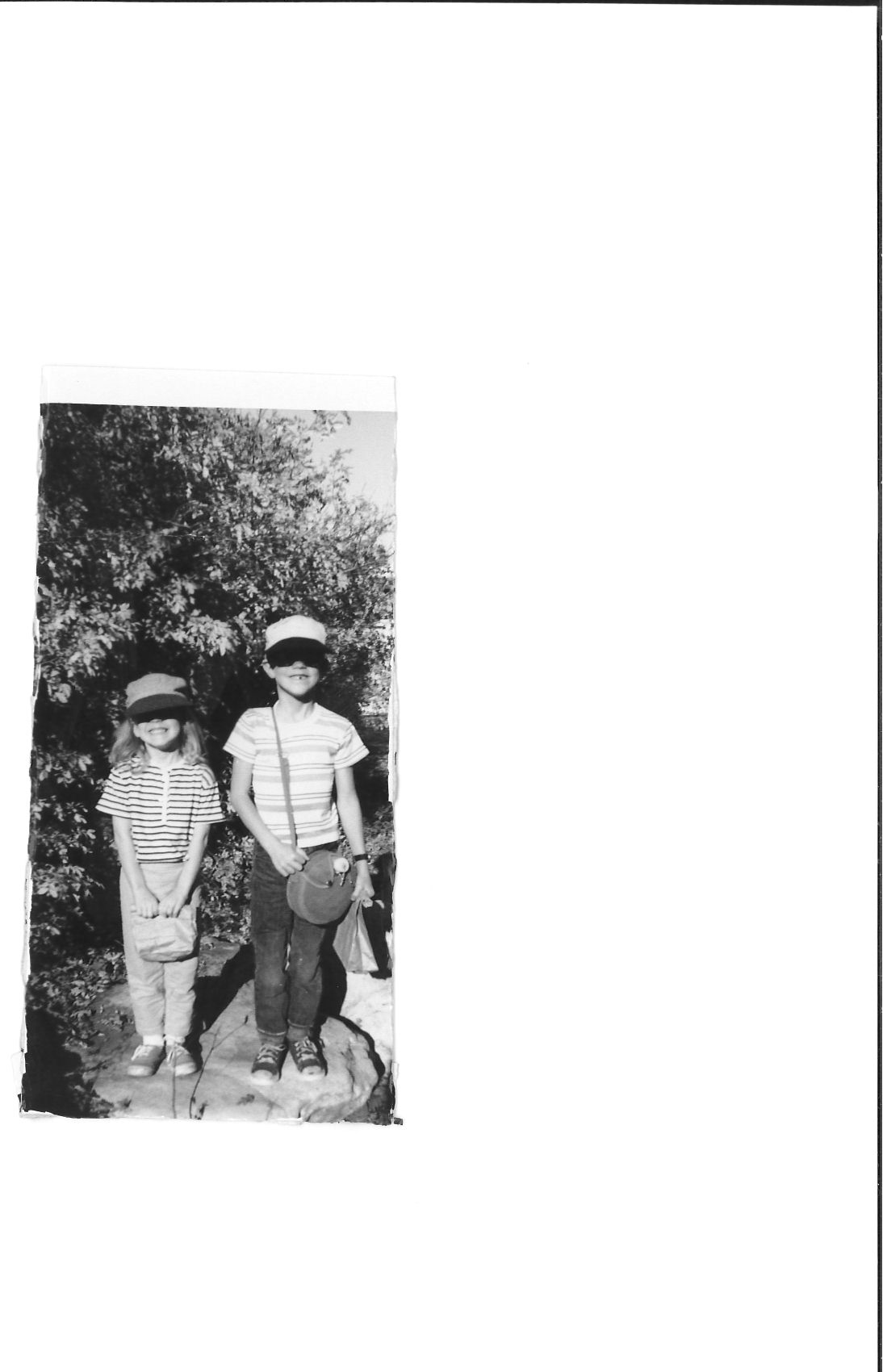


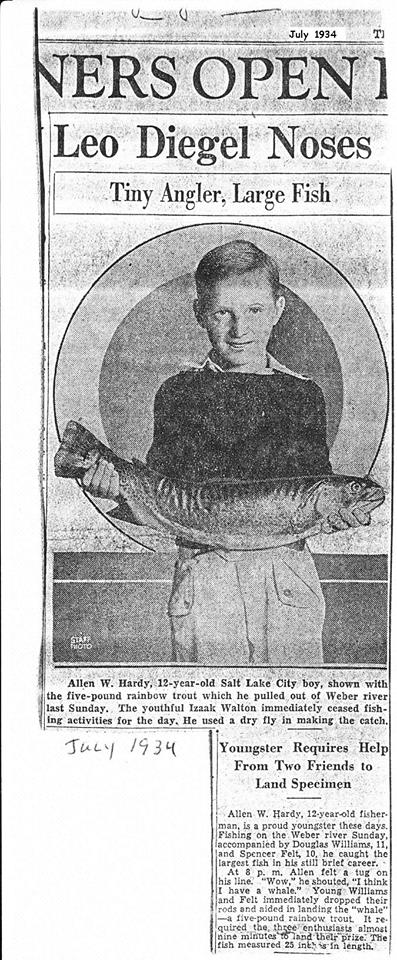


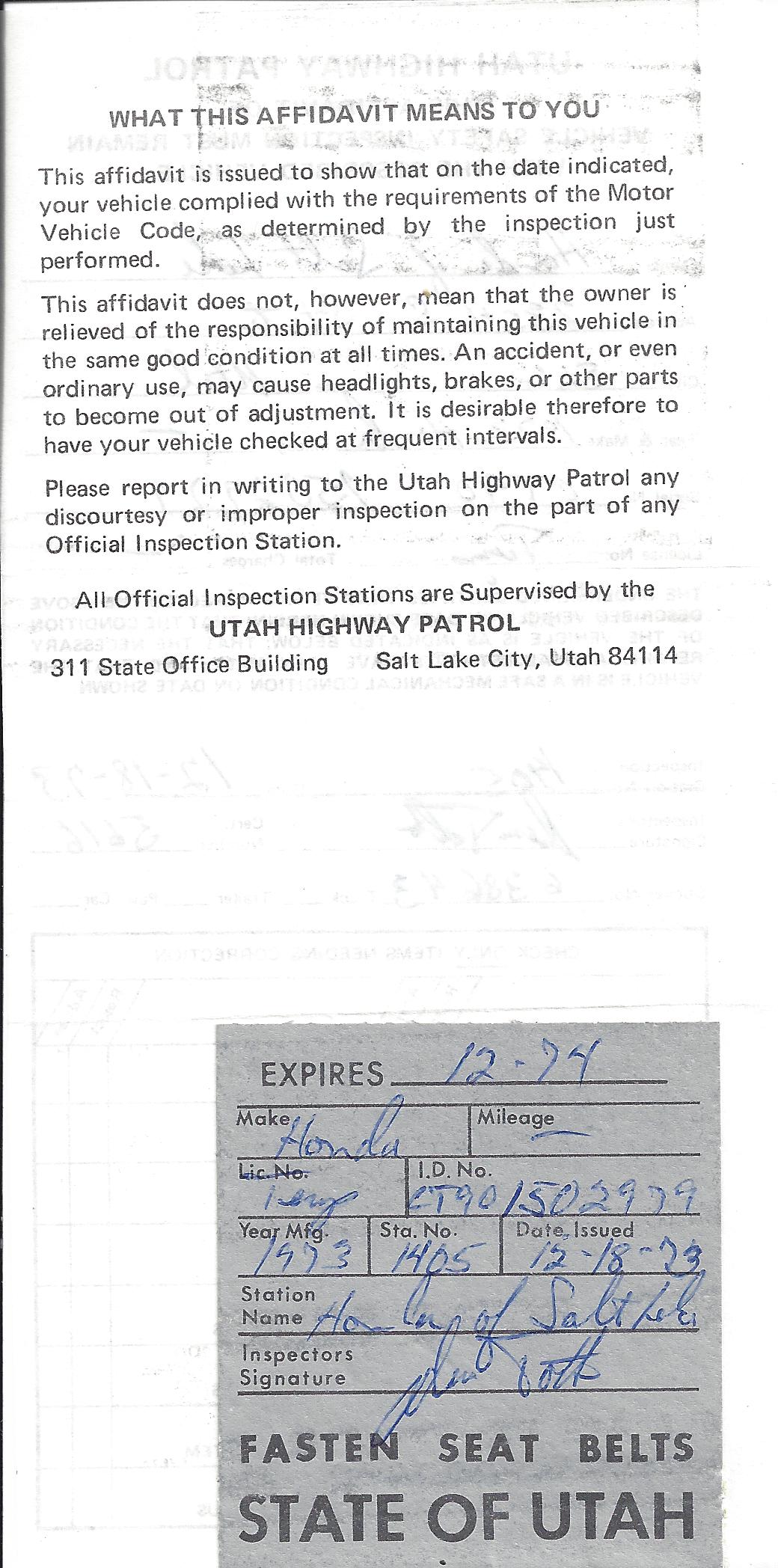


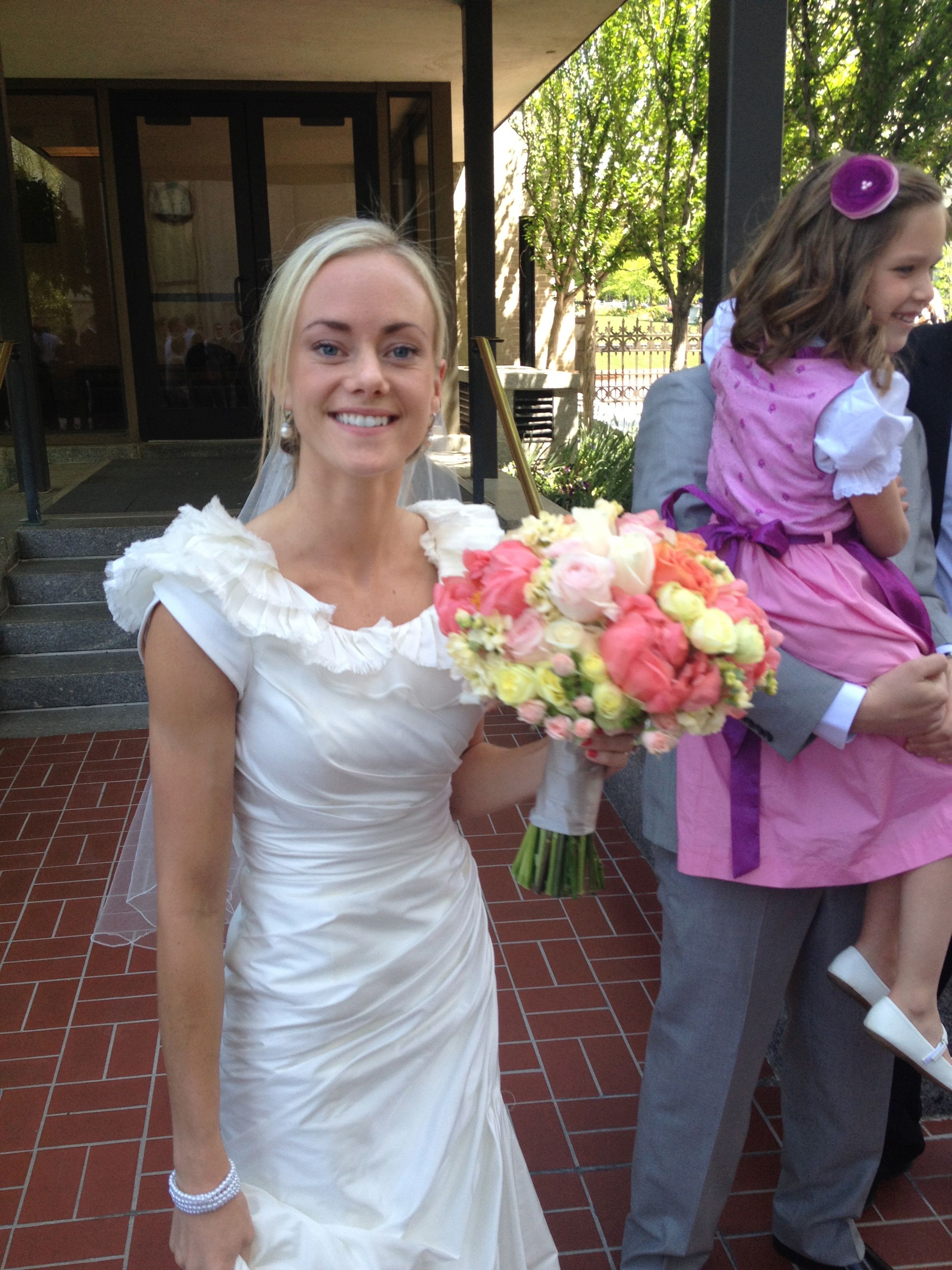


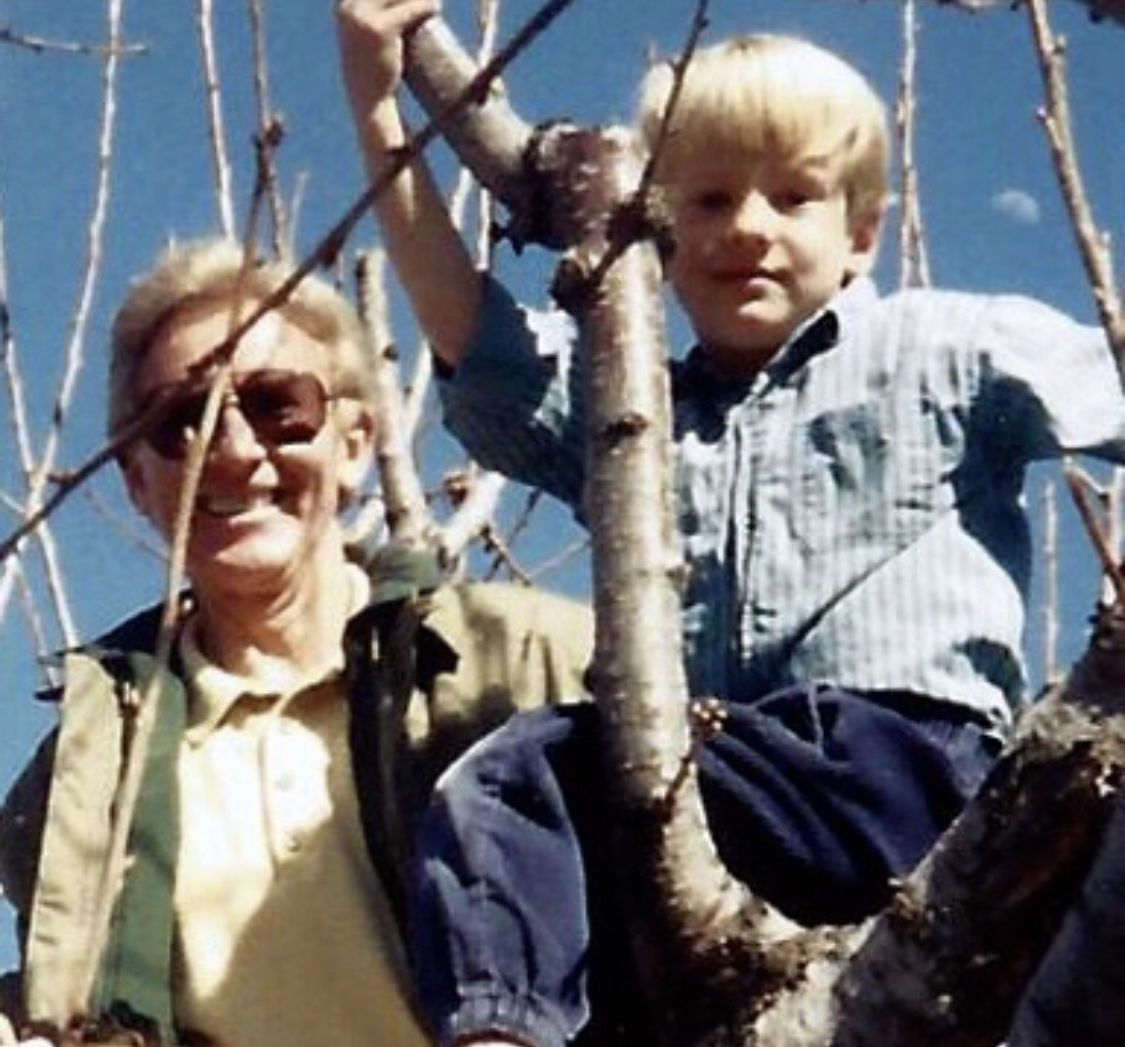





Memorable Notes and Documents:

Other Highlights from 1959:
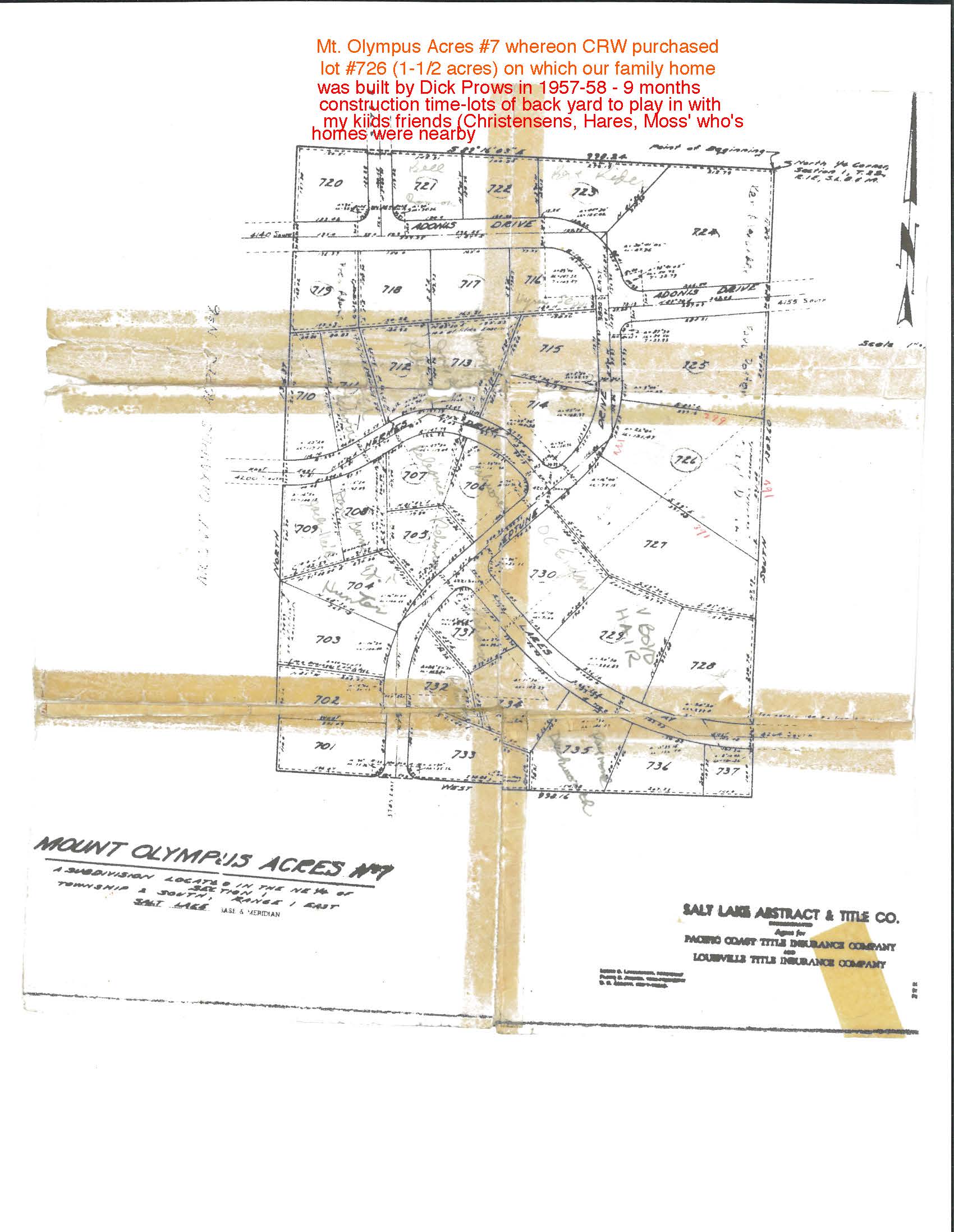
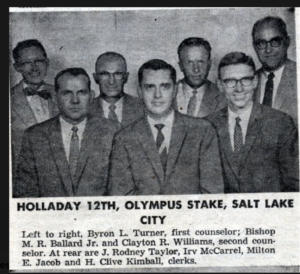 Soon after we moved in to our new house, the Mount Olympus Ward was first established and the original bishopric was M. Russell Ballard as bishop, Byron Turner as first counsellor and Clayton R. Williams as second counsellor. I really enjoyed being in the bishopric, but Marilyn hated the attention which I was getting as a member of the bishopric, so she made life very difficult at home, finally becoming ill and was harmed by having a large growth on the side of her neck (as large or a bit larger than a golf ball), which turned out to be a non-malignant tumor which we had a doctor remove surgically. Before the surgery and because of her illness and her unhappiness about my bishopric position, I asked to be released from the bishopric. That request prompted disfavor from Russ Ballard and the Stake President who made a special visit to our home to beg me to stay on in the calling with Russ saying that he would cover for me until Marilyn recovered from her illness (and Russ told me that he had chosen me because the Ward boundaries were going to eventually change and that would put me in a position to become Bishop of the Ward. I felt the need to help at home during Marilyn’s illness and also to try to arrive at a more peaceful spirit in the home, so I insisted on being released, and so it was done. I then became the priest quorum advisor for the next 5 or 6 years working closely with the young men, having them come to events at our home and sending many on missions where I was asked to speak at several of their farewell sacrament meetings. I still see those young men and our friendship has continued throughout these many years (now being 2014).
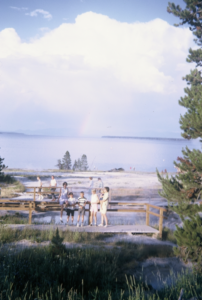
CRW AND HIS SIX CHILDREN AT YELLOWSTONE LAKE:
FAMILY GATHERING AT COVEY HOME ON 3RD SOUTH FOLLOWING FUNERAL OF STEPHEN L. RICHARDS IN 1959:

Word Events in 1959
Besides the birth of Daniel Covey Williams, this is what happened in the World in 1959:
Events:
January


January 8: Fidel Castro arrives in Havana

January 25: Boeing 707 begins service
- January 1
- Cultivars of plants named after this date must be named in a modern language, not in Latin.
- Cuba: Fulgencio Batista flees Havana when the forces of Fidel Castro advance.
- January 2
- CBS Radio discontinues four soap operas: Backstage Wife, Our Gal Sunday, The Road of Life, and This is Nora Drake.
- The Soviet Union successfully launches the Luna 1 spacecraft from Baikonur Cosmodrome.
- January 3
- January 4
- In Cuba, rebel troops led by Che Guevara and Camilo Cienfuegos enter the city of Havana.
- Léopoldville riots: At least 49 people are killed during clashes between the police and participants of a meeting of the ABAKO Party in Léopoldville in the Belgian Congo.
- January 6
- Fidel Castro arrives in Havana.
- The International Maritime Organization is inaugurated.
- January 7 – The United States recognizes the new Cuban government of Fidel Castro.
- January 8 – Charles de Gaulle is inaugurated as the first president of the French Fifth Republic.
- January 10 – The Soviet government recognizes the new Castro government.
- January 11 – The Confédération Mondiale des Activités Subaquatiques is founded in Monaco.
- January 12
- The Caves of Nerja are discovered in Spain.
- Motown Records is founded by Berry Gordy, Jr. in Detroit.
- January 13 – Cuban communists execute 71 supporters of Fulgencio Batista.
- January 15 – The Soviet Union conducts its first census after World War II.
- January 21 – The European Court of Human Rights is established.
- January 22 – Knox Mine disaster: Water breaches the River Slope Mine in Port Griffith, Pennsylvania near Pittston, Pennsylvania; 12 miners are killed.
- January 25
- The Boeing 707 airliner begins service.
- Pope John XXIII announces that the Second Vatican Council will be convened in Rome.
- January 29 – Walt Disney releases his 16th animated film, Sleeping Beauty in Beverly Hills. It is Disney’s first animated film to be shown in 70mm and modern 6-track stereophonic sound.[1] Also on the program is Disney’s new live-action short subject Grand Canyon, which uses the music of Ferde Grofé‘s Grand Canyon Suite. Grand Canyon wins an Oscar for Best Documentary Short.
- January 30 – Danish passenger/cargo ship MS Hans Hedtoft, returning to Copenhagen after its maiden voyage to Greenland, strikes an iceberg and sinks off the Greenland coast with the loss of all 95 on board.[2]
February

February 17: Technical drawing of Vanguard 2
- February 1 – A referendum in Switzerland turns down female suffrage.
- February 2 – Nine ski hikers mysteriously perish in the northern Ural Mountains in the Dyatlov Pass incident and are all found dead a few weeks later.
- February 3
- A chartered plane transporting musicians Buddy Holly, Ritchie Valens and The Big Bopper with pilot Roger Peterson goes down in foggy conditions near Clear Lake, Iowa, killing all four on board. The tragedy is later termed “The Day the Music Died“, popularized in Don McLean‘s 1971 song “American Pie“.
- American Airlines Flight 320, a Lockheed L-188 Electra from Chicago crashes into the East River on approach to New York City’s LaGuardia Airport, killing 65 of the 73 people on board.
- February 6 – At Cape Canaveral, Florida, the first successful test firing of a Titan intercontinental ballistic missile is accomplished.
- February 9 – Yugoslavia and Spain set trade relations (not diplomatic ones).
- February 13 – TAT-2, AT&T‘s second transatlantic telephone cable goes into operation.
- February 16
- Fidel Castro becomes Premier of Cuba.
- A blizzard causes a massive power outage in Newfoundland.
- February 17 – Vanguard 2, the first weather satellite, is launched to measure cloud cover for the United States Navy.
- February 18
- Jesús Sosa Blanco, a colonel in the Cuban army of Fulgencio Batista, is executed in Cuba after being convicted of committing 108 murders for Batista.
- Women in Nepal vote for the first time.
- February 19 – The United Kingdom decides to grant independence to Cyprus.
- February 20 – The Canadian Government cancels the Avro Canada CF-105 Arrow interceptor aircraft project.
- February 22 – Lee Petty wins the first Daytona 500 at Daytona International Speedway.
March

Potala Palace in Lhasa, Tibet, traditional residence of the Dalai Lama until March 1959. (2006 photo)

March 2: Jazz trumpeter Miles Davis.

March 8: The Marx Brothers retire

March 31: Busch Gardens opens in Florida
- March 1
- The USS Tuscaloosa, USS New Orleans, USS Tennessee and USS West Virginia are stricken from the Naval Vessel Register.
- Archbishop Makarios returns to Cyprus from exile.
- March 2 – Recording sessions for the album Kind of Blue by Miles Davis take place at Columbia’s 30th Street Studio in New York City.
- March 3 – Pioneer 4 becomes first American object to escape dominance by Earth’s gravity.
- March 8 – The Marx Brothers make their last television appearance, in The Incredible Jewel Robbery, part of General Electric Theatre
- March 9 – Mattel‘s Barbie doll debuts in the United States.
- March 10 – The Tibetan uprising erupts in Lhasa when Chinese officials attempt to arrest the Dalai Lama.
- March 11
- Een beetje by Teddy Scholten (music by Dick Schallies, text by Willy van Hemert) wins the Eurovision Song Contest for the Netherlands.
- A Raisin in the Sun by Lorraine Hansberry opens on Broadway.
- March 17 – Tenzin Gyatso, 14th Dalai Lama escapes Tibet, arrives in India.
- March 18 – American President Dwight D. Eisenhower signs a bill to grant statehood to Hawaii.
- March 19 – Two other islands join Addu in the United Suvadive Republic (abolished September 1963), in the Maldives Islands.
- March 26 – Tenor saxophonist John Coltrane holds initial record sessions for album Giant Steps with Cedar Walton and Lex Humphries.
- March 28 – The Kashag, the government of Tibet, is abolished by an order signed by Chinese premier Zhou Enlai. The Dalai Lama is replaced in China by a puppet ruler, the Panchen Lama.
- March 31
- USA: Busch Gardens opens in Tampa, Florida.
- India: The Dalai Lama is granted asylum.
April
- April 6 – The 31st Academy Awards ceremony is held.
- April 8 – The Inter-American Development Bank (IADB) is established.
- April 9 – NASA announces its selection of seven military pilots to become the first U.S. astronauts (later known as the Mercury Seven).
- April 10 – Crown Prince Akihito of Japan marries Shōda Michiko, the first commoner to marry into the Imperial House of Japan.
- April 22 – Recording sessions for the influential jazz album Kind of Blue by Miles Davis take place at Columbia’s 30th Street Studio in New York City.
- April 25 – The Saint Lawrence Seaway linking the Great Lakes and the Atlantic Ocean officially opens to shipping.
- April 27 – National People’s Congress elects Liu Shaoqi as Chairman of the People’s Republic of China, as a successor of Mao Zedong.
May

May 28: Miss Baker awaits launch.
- May
- Import tariffs are lifted in the United Kingdom.
- The first Ten Tors event is held on Dartmoor in England.
- May 2 – 1959 FA Cup Final: Nottingham Forest defeats Luton Town 2–1.
- May 4 – Tenor saxophonist John Coltrane begins two days of principal recording sessions for his jazz album Giant Steps.
- May 16 – The Triton Fountain is inaugurated in Valletta, Malta.
- May 18 – The National Liberation Committee of Côte d’Ivoire is launched in Conakry, Guinea.
- May 21 – Gypsy: A Musical Fable, starring Ethel Merman in her last new musical, opens on Broadway and runs for 702 performances
- May 24 – British Empire Day is renamed Commonwealth Day.
- May 28 – Jupiter AM-18 rocket launches two primates, Miss Baker and Miss Able, into space from Cape Canaveral in the United States along with living microorganisms and plant seeds. Successful recovery makes them the first living beings to return safely to Earth after space flight.
June
- June 3
- Singapore becomes a self-governing crown colony of Britain with Lee Kuan Yew as Prime Minister.
- Real Madrid beats Stade Reims 2–0 at Neckarstadion, Stuttgart and wins the 1958–59 European Cup (football).
- June 5 – A new government of the State of Singapore is sworn in by Sir William Goode. Two former ministers are re-elected to the Legislative Assembly.
- June 8 – The USS Barbero and United States Postal Service attempt the delivery of mail via Missile Mail.
- June 9 – The USS George Washington is launched as the first submarine to carry ballistic missiles.
- June 14
- Disneyland Monorail System, the first daily operating monorail system in the Western Hemisphere, opens to the public in Anaheim, California.
- A 3-front invasion of the Dominican Republic by exile forces backed by Fidel Castro and Venezuela attempt to overthrow Rafael Trujillo.
- June 18 – The film The Nun’s Story, based on the best-selling novel, is released. Audrey Hepburn stars as the title character; she later says that this is her favorite film role. The film is a box-office hit, and is nominated for several Oscars.
- June 23
- Seán Lemass becomes the third Taoiseach of Ireland.
- Convicted Manhattan Project spy Klaus Fuchs is released after only nine years in a British prison and allowed to emigrate to Dresden, East Germany where he resumes a scientific career.
- June 25 – A KH-1 Corona, believed to be the first operational reconnaissance satellite, is launched as science mission “Discoverer 4” from Vandenberg Air Force Base aboard a Thor-Agena rocket.
- June 26
- Elizabeth II (Queen of Canada) and United States President Dwight Eisenhower open the Saint Lawrence Seaway.
- Darby O’Gill and the Little People, a film based on H. T. Kavanagh‘s short stories, is released in the U.S. by the Walt Disney Company two days after a world premiere in Ireland.
- June 30 – Twenty-one students are killed and more than a hundred injured when an American North American F-100 Super Sabre jet crashes into Miamori Elementary School on the island of Okinawa. The pilot ejected before the plane struck the school.[3]
July

July 17: Site of Australopithecus boisei discovery in Tanzania.

July 24: Soviet Premier Nikita Khrushchev and USA Vice President Richard Nixon engage in the Kitchen Debate
- July 1 – Australia’s longest running children’s TV series, Mr. Squiggle, first airs on ABC Television.
- July 2 – Prince Albert of Belgium marries Italian Donna Paola Ruffo di Calabria.
- July 4 – With the admission of Alaska as the 49th U.S. state earlier in the year, the 49-star flag of the United States debuts in Philadelphia.
- July 7 – At 14:28 UT Venus occults the star Regulus. The rare event (which will next occur on October 1, 2044) is used to determine the diameter of Venus and the structure of Venus’ atmosphere.
- July 9 – Wing Commander Michael Beetham flying a Royal Air Force Vickers Valiant sets a record of 11 hours 27 minutes for a non-stop London–Cape Town flight.[4]
- July 14 – Groups of Kurdish and communist militias rebel in Kirkuk, Iraq against the central government.[5]
- July 15 – A strike occurs against the United States’ steel industry.
- July 17 – The first skull of Australopithecus is discovered by Louis Leakey and his wife Mary in the Olduvai Gorge of Tanzania.
- July 22 – A Kumamoto University medical research group studying Minamata disease concludes that it is caused by mercury.
- July 24
- At the opening of the American National Exhibition in Moscow, United States Vice President Richard Nixon and USSR Premier Nikita Khrushchev engage in the “Kitchen Debate“.
- In Long Beach, United States, Akiko Kojima of Japan will crown Miss Universe 1959.
- July 25 – The SR.N1 hovercraft crosses the English Channel from Calais to Dover in just over 2 hours, on the 50th anniversary of Louis Blériot‘s first crossing by heavier-than-air craft.
August

August 7: Launch of Explorer 6

- August 4 – Martial law is declared in Laos.
- August 7
- Explorer program: The United States launches Explorer 6 from the Atlantic Missile Range in Cape Canaveral, Florida.
- United States: The Roseburg, Oregon blast kills 14 and causes $12 million worth of damage.
- August 8 – A flood in Taiwan kills 2,000.
- August 14 – Explorer 6 sends the first picture of Earth from orbit.
- August 15 – Cyprus gains independence.
- August 17
- The 1959 Hebgen Lake earthquake in southwest Montana kills 28.
- Columbia Records releases Miles Davis album Kind of Blue.
- August 19 – The Central Treaty Organization (CENTO) is established.
- August 21 – Hawaii is admitted as the 50th U.S. state.
- August 24 – Cyprus joins the United Nations.
- August 26 – The original Mini designed by Sir Alec Issigonis is launched.
- August 31 – Beijing Workers’ Stadium, known well for sports venues in China, officially opened.[6][7]
September

September 26: Typhoon Vera storm path
- September 12 – “Bonanza” premieres, first regularly scheduled TV program presented in color.
- September 14 – Luna 2 becomes the first man-made object to crash on the Moon.
- September 15 – September 28 – USSR Premier Nikita Khrushchev and his wife tour the United States, at the invitation of U.S. President Dwight David Eisenhower.
- September 16 – The Xerox 914, the first plain paper copier, is introduced to the public.
- September 17
- The first Navy Navigation Satellite System Transit 1A is launched but fails to reach orbit.
- The hypersonic North American X-15 research vehicle, piloted by Scott Crossfield, makes its first powered flight at Edwards Air Force Base, California.
- September 23 – The MS Princess of Tasmania, (Australia’s first passenger RO/RO diesel ferry), makes its maiden voyage across the Bass Strait.
- September 25 – Ceylon‘s prime minister S. W. R. D. Bandaranaike is assassinated.
- September 26
- Typhoon Vera hits central Honshū, Japan, as a 160 mph Category 5 storm, killing an estimated 5,098, injuring another 38,921, and leaving 1,533,000 homeless. Most of the victims and damage are centered in the Nagoya area.
- First large unit action of the Vietnam War takes place, when two companies of the ARVN 23d Division are ambushed by a well-organized Viet Cong force of several hundred, identified as the “2d Liberation Battalion”.
- September 30 – Soviet Union leader Nikita Khrushchev meets Mao Zedong in Beijing.
October

October 21: Atrium of the Solomon R. Guggenheim Museum designed by Frank Lloyd Wright.
- October 1 – The 10th anniversary of the People’s Republic of China is celebrated with pomp across the country.
- October 2 – Rod Serling‘s classic anthology series The Twilight Zone premieres on CBS.
- October 7 – The U.S.S.R. probe Luna 3 sends back the first ever photos of the far side of the Moon.
- October 12 – At the national APRA Congress in Peru, a group of leftist radicals is expelled from the party; they later form APRA Rebelde.
- October 13 – The United States launches Explorer 7.
- October 16 – Founding of the Boston Patriots, AFL American football club.
- October 21 – In New York City, the Solomon R. Guggenheim Museum (designed by Frank Lloyd Wright) opens to the public.
- October 29 – First appearance of Astérix the Gaul.[8]
- October 31 – Riots break out in the Belgian Congo.
November

November 1959: The MOSFET (MOS transistor) is invented by Mohamed Atalla and Dawon Kahng at Bell Labs. It is central to the Digital Revolution, and the most widely manufactured device in history.
- November 1 – In Rwanda, Hutu politician Dominique Mbonyumutwa is beaten up by Tutsi forces, leading to a period of violence known as the wind of destruction.
- November 2 – At a ceremony near Toddington, British Minister of Transport Ernest Marples opens the first section of the M1 Motorway, between Watford and Crick, along with two spur motorways, the M45 and M10. Three decades of large scale motorway construction follow, leading to the rapid expansion of the UK motorway network.
- November 12 – The Warner Bros. religious epic The Miracle, very loosely based on the 1911 stage pantomime Das Mirakel, is released. It is a critical and financial bomb.
- November 15 – The Clutter family of Holcomb, Kansas is brutally murdered, inspiring Truman Capote‘s In Cold Blood.
- November 18 – MGM releases widescreen Technicolor version of Ben-Hur, starring Charlton Heston. Film goes on to win record number of Academy Awards. Last MGM film to win Best Picture Oscar; Doctor Zhivago nominated in 1965.
- November 20 – The Declaration of the Rights of the Child is adopted by the United Nations.
- The MOSFET (metal-oxide-semiconductor field-effect transistor), also known as the MOS transistor, was invented by Mohamed Atalla and Dawon Kahng at Bell Labs.[9][10] It revolutionized the electronics industry,[11] and became the fundamental building block of the Digital Revolution.[12] The MOSFET went on to become the most widely manufactured device in history.[13][14]
December
- December 1 – Cold War – Antarctic Treaty: 12 countries, including the United States and the Soviet Union, sign a landmark treaty that sets aside Antarctica as a scientific preserve and bans military activity on the continent (the first arms control agreement established during the Cold War).
- December 2 – Malpasset Dam in southern France collapses and water flows over the town of Fréjus, killing 412.
- December 8 – The Mona, a lifeboat based at Broughty Ferry in Scotland, capsizes during a rescue attempt, with the loss of 8 lives.
- December 11 – Charles Robberts Swart is appointed the 11th Governor-General of the Union of South Africa.
- December 14 – Makarios III is selected the first president of Cyprus.
- December 28 – After having been shot two years earlier, Ante Pavelić dies from his wounds in a Spanish hospital.
Date unknown
- The Daytona International Speedway completes construction.
- Nylon tights, popularly called pantyhose or sheer tights, first sold on the open market as ‘Panti-Legs’ by Glen Raven Knitting Mills.
- The Workers World Party is founded by Sam Marcy.
- The first known human with HIV dies in the Congo.[15]
- The current (as of 2006) design of the Japanese 10 yen coin is put into circulation.
- The Caspian tiger becomes extinct in Iran.
- The Henney Kilowatt goes on sale in the United States, becoming the first mass-produced electric car in almost three decades.
- Erving Goffman publishes his seminal study in sociology, The Presentation of Self in Everyday Life.
- The iconic 1959 Cadillac is introduced, with tailfin wars peaking that had begun in 1948.
- Chevy El Camino is introduced.
Events in only the USA in 1959
Federal Government
- President: Dwight D. Eisenhower (R–Kansas/New York)
- Vice President: Richard Nixon (R–California)
- Chief Justice: Earl Warren (California)
- Speaker of the House of Representatives: Sam Rayburn (D–Texas)
- Senate Majority Leader: Lyndon B. Johnson (D–Texas)
- Congress: 85th (until January 3), 86th (starting January 3)
January–March
Events

January 3: Alaska admitted as 49th state
- January 2 – CBS Radio cuts four soap operas: Backstage Wife, Our Gal Sunday, The Road of Life, and This is Nora Drake.
- January 3 – Alaska is admitted as the 49th U.S. state (see History of Alaska).
- January 7 – The United States recognizes the new Cuban government of Fidel Castro.
- January 22 – Knox Mine Disaster: Water breaches the River Slope Mine near Pittston City, Pennsylvania in Port Griffith; 12 miners are killed.
- January 29 – Walt Disney releases his 16th animated film, Sleeping Beauty in Beverly Hills.
- February 3 – A chartered plane transporting musicians Buddy Holly, Ritchie Valens and The Big Bopper crashes in foggy conditions near Clear Lake, Iowa, killing all four occupants on board, including pilot Roger Peterson. The tragedy is later termed “The Day the Music Died“, popularized in Don McLean‘s 1972 song “American Pie“.
- February 6 – At Cape Canaveral, Florida, the first successful test firing of a Titan intercontinental ballistic missile is accomplished.
- February 17 – The United States launches the Vanguard II weather satellite.
- February 22 – Lee Petty wins the first Daytona 500.
- March 1 – USS Tuscaloosa, USS New Orleans, USS Tennessee and USS West Virginia are struck from the Naval Vessel Register.
- March 11 – A Raisin in the Sun by Lorraine Hansberry opens on Broadway in New York City.
- March 18 – American President Dwight D. Eisenhower signs a bill allowing for Hawaiian statehood.
- March 31 – Busch Gardens in Tampa, Florida is dedicated and opens its gates.
April–June

April 9: NASA announces the “Mercury Seven“
- April 6 – The 31st Academy Awards ceremony is held.
- April 9 – NASA announces its selection of the “Mercury Seven“, seven military pilots to become the first U.S. astronauts.
- April 25 – The Saint Lawrence Seaway linking the North American Great Lakes and the Atlantic Ocean officially opens to shipping.
- May 28 – Jupiter AM-18 rocket launches two primates, Miss Baker and Miss Able, into space from Cape Canaveral along with living microorganisms and plant seeds. Successful recovery makes them the first living beings to return safely to Earth after space flight.
- June 8 – USS Barbero and United States Postal Service attempt the delivery of mail via Missile Mail.
- June 9 – USS George Washington is launched as the first submarine to carry ballistic missiles.
- June 23 – Convicted Manhattan Project spy Klaus Fuchs is released after only nine years in a British prison and allowed to emigrate to Dresden, East Germany (where he resumes a scientific career).
- June 26
- Queen Elizabeth II and U.S. President Dwight Eisenhower open the Saint Lawrence Seaway.
- Darby O’Gill and the Little People, a film based on H. T. Kavanagh‘s short stories, is released in the U.S. by Walt Disney, two days after its world premiere in Ireland.
July–September

August 21: Hawaii admitted as 50th state
- July 8 – Charles Ovnand and Dale R. Buis become the first Americans killed in action in Vietnam.
- July 15 – Steel strike of 1959: Labor union strike in the U.S. steel industry.
- July 24
- At the opening of the American National Exhibition in Moscow, U.S. Vice President Richard Nixon and USSR Premier Nikita Khrushchev have a “kitchen debate.”
- With the admission of Alaska as the 49th U.S. state earlier in the year, the 49-star flag of the United States debuts in Philadelphia, Pennsylvania.
- August 7
- Explorers program: Launch of Explorer 6 from the Atlantic Missile Range in Cape Canaveral, Florida.
- The Roseburg Oregon Blast kills 14 and causes $12 million worth of damage.
- August 17
- The 1959 Hebgen Lake earthquake in southwest Montana kills 28.
- Miles Davis‘ influential jazz album Kind of Blue is released.
- August 21 – Hawaii is admitted as the 50th and last U.S. state (see History of Hawaii).
October–December

October 21: The Guggenheim opens
- October 2 – Rod Serling‘s classic anthology series The Twilight Zone premieres on CBS.
- October 13 – Launch of Explorer 7.
- October 21 – In New York City, the Solomon R. Guggenheim Museum (designed by Frank Lloyd Wright) opens to the public.
- November 15 – The Clutter family of Holcomb, Kansas is brutally murdered.
- November 18 – MGM‘s widescreen, multimillion-dollar, Technicolor version of Ben-Hur, starring Charlton Heston, is released and becomes the studio’s greatest hit up to that time. It is critically acclaimed and eventually wins 11 Academy Awards – a record held until 1998, when 1997’s Titanic becomes the first film to equal the record.
- December 1 – Cold War – Antarctic Treaty: 12 countries, including the United States and the Soviet Union, sign a landmark treaty, which sets aside Antarctica as a scientific preserve and bans military activity on that continent (the first arms control agreement established during the Cold War).
- December 13 – Three years after its first telecast, MGM‘s The Wizard of Oz is shown on television for only the second time, but it gains an even larger viewing audience than its first television outing, spurring CBS to make it an annual tradition.

1959: Potamkin Chevrolet, Philadelphia
Undated
- The Henney Kilowatt goes on sale in the United States, becoming the first mass-produced electric car in almost three decades.
Ongoing
- Cold War (1947–1991)
- Space Race (1957–1975)
–Wikipedia: https://en.wikipedia.org/wiki/1959_in_the_United_States
- Dan Born
- Priest Advisor
- SM Covey Dies
- 2nd Counselor Bishopric