
1962
(35-36)Florence Irene Williams
Born July 28, 1962
CRW talks about Florence Irene (Florie):
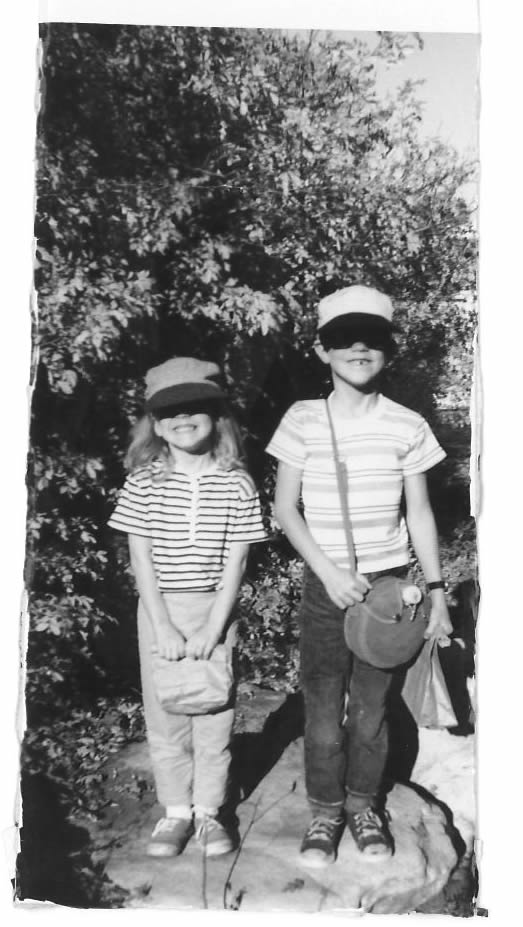
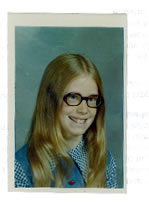
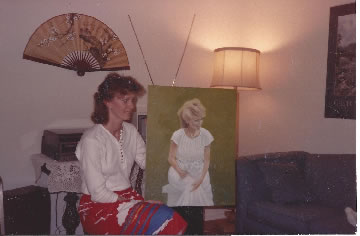
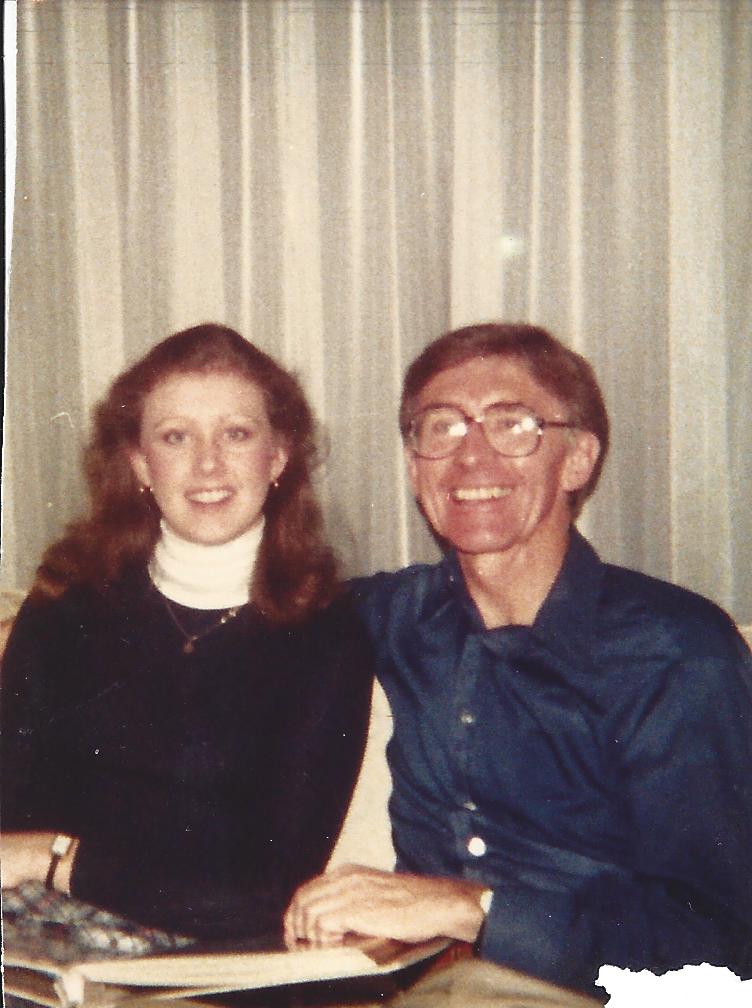
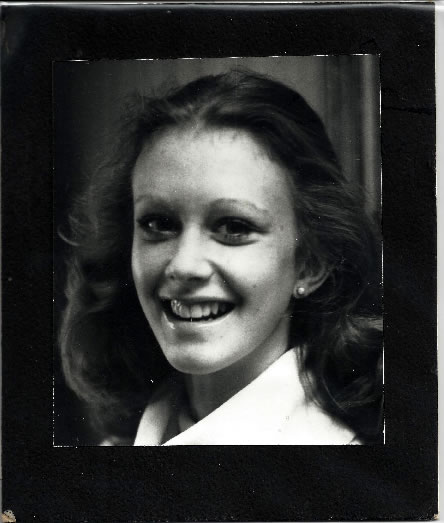
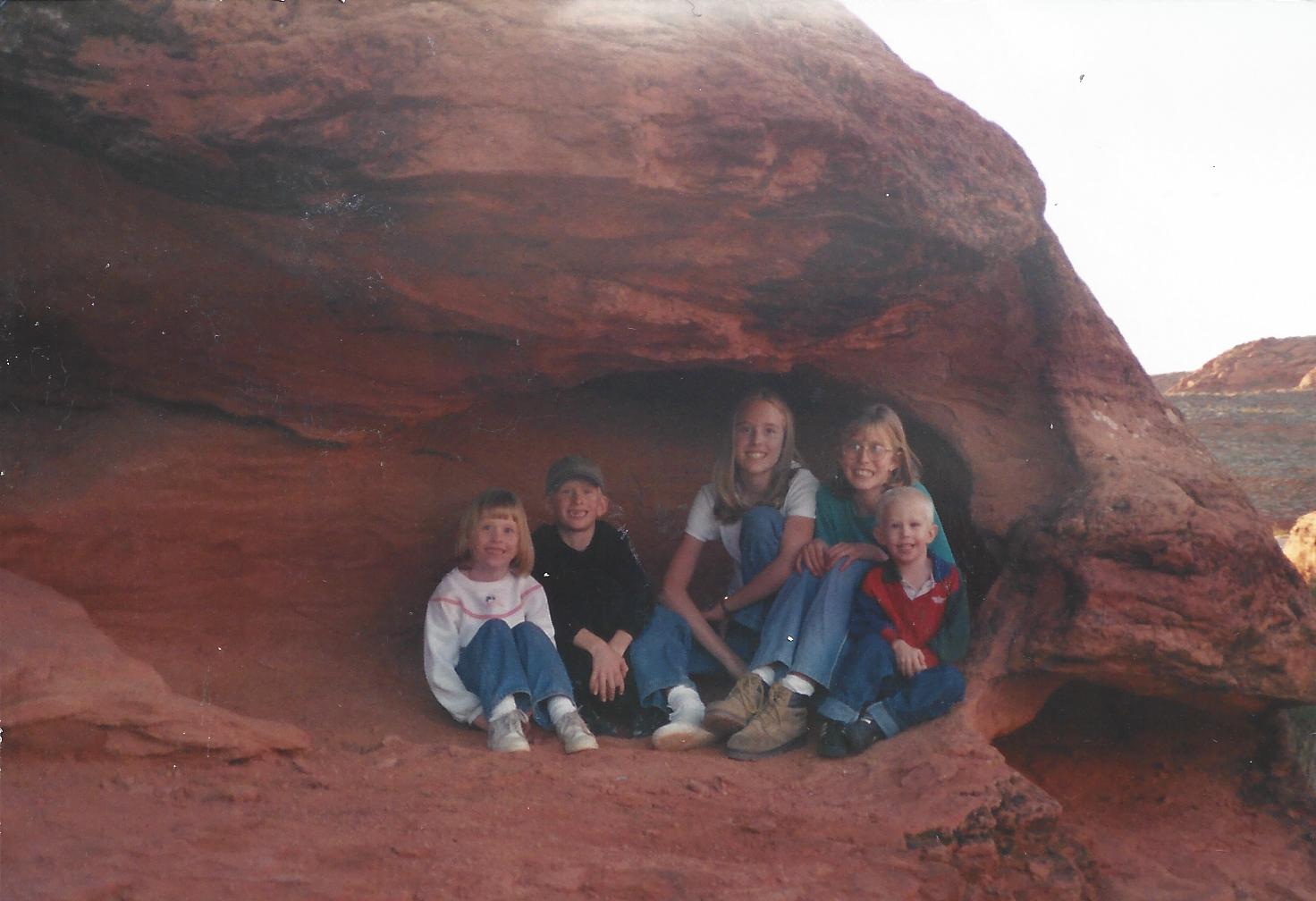
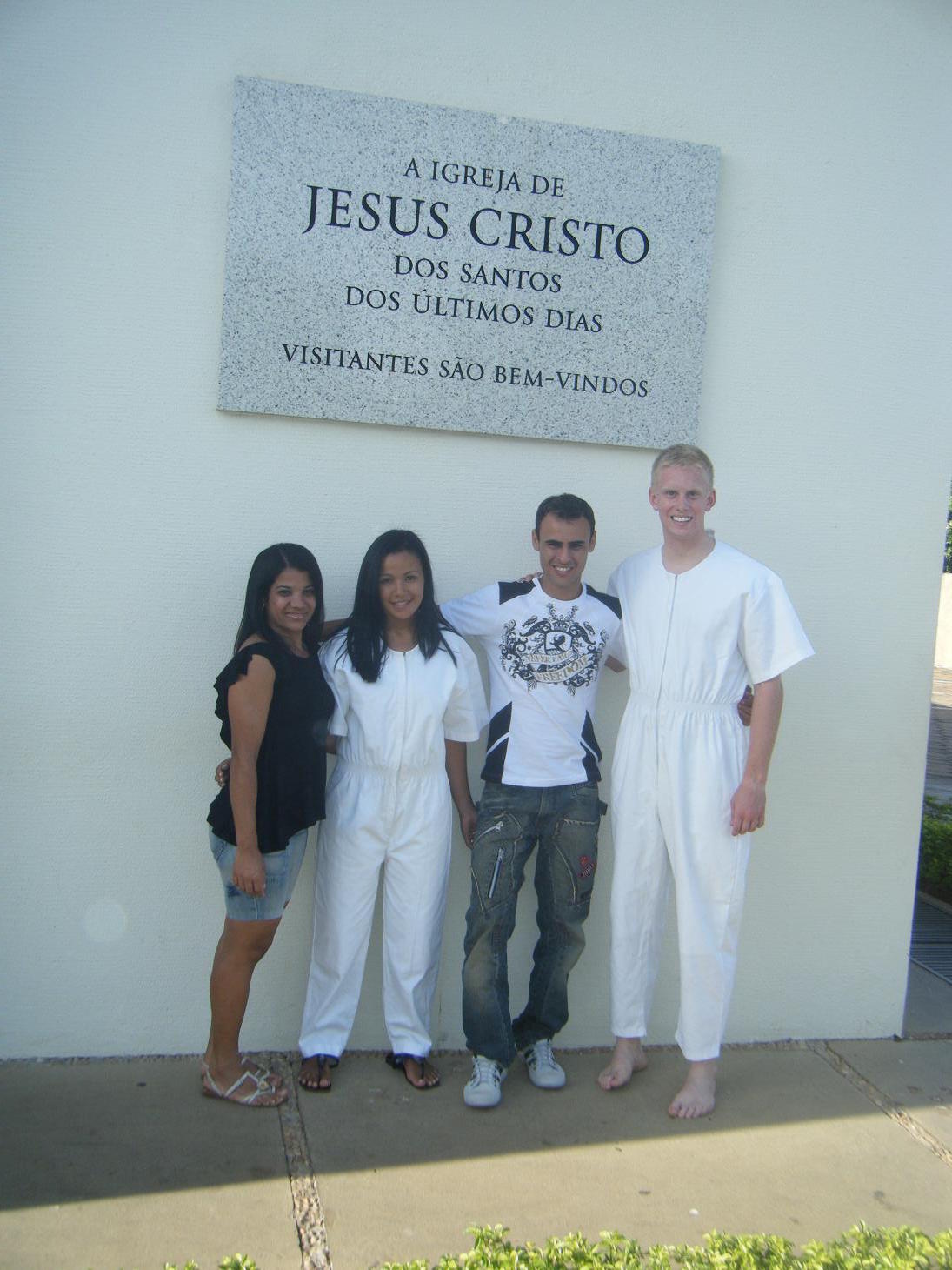
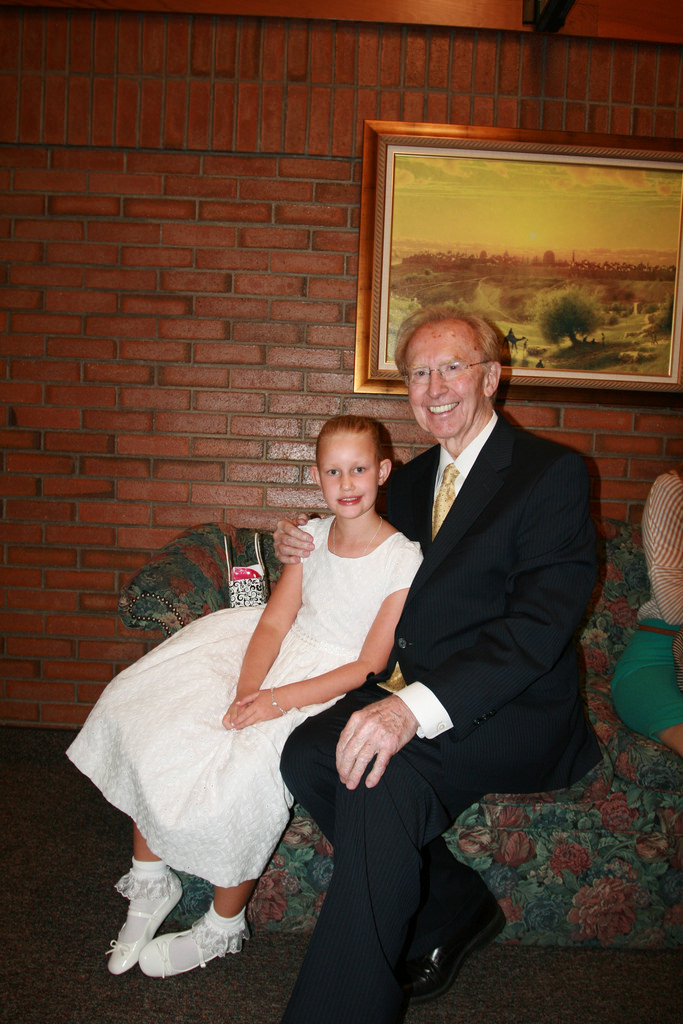
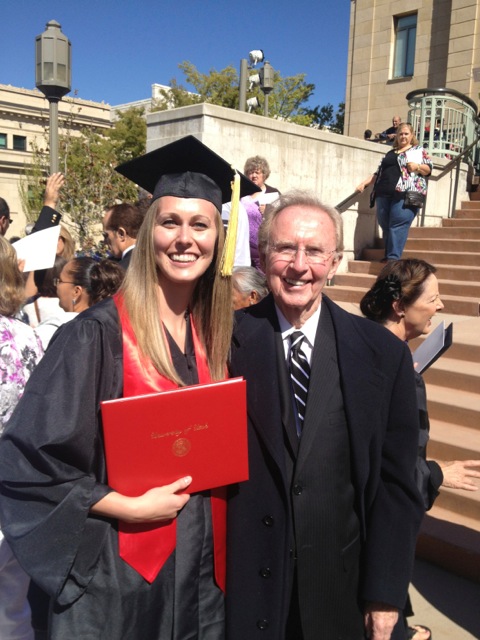
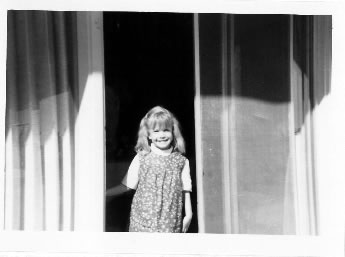
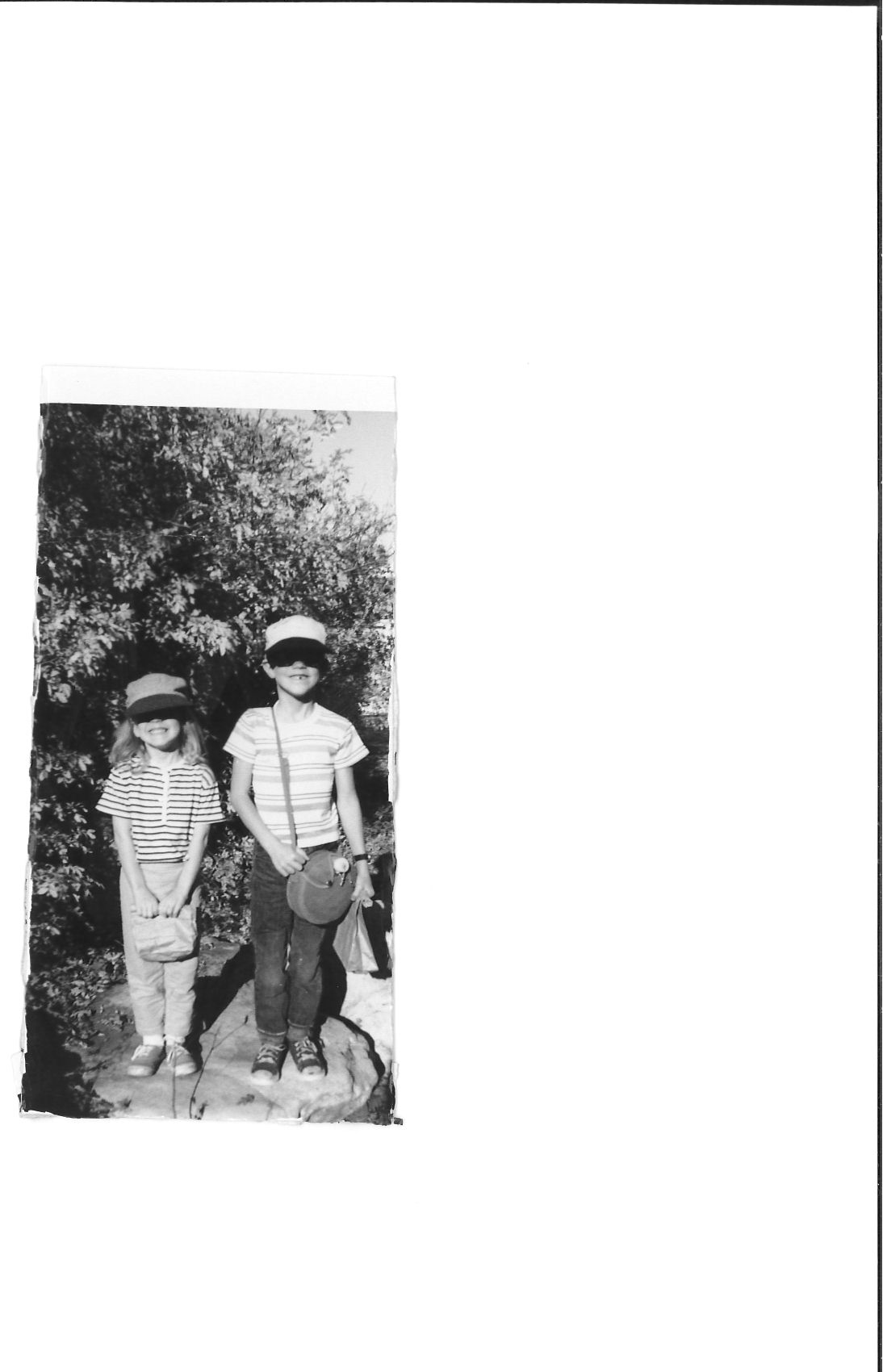
Memorable Pictures of Florie and her family:









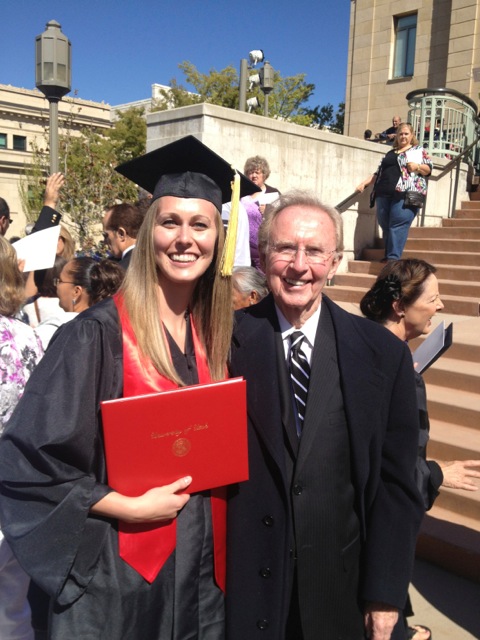
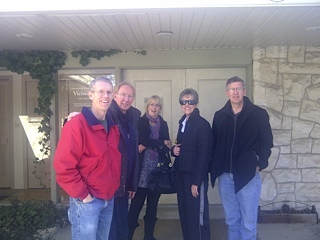


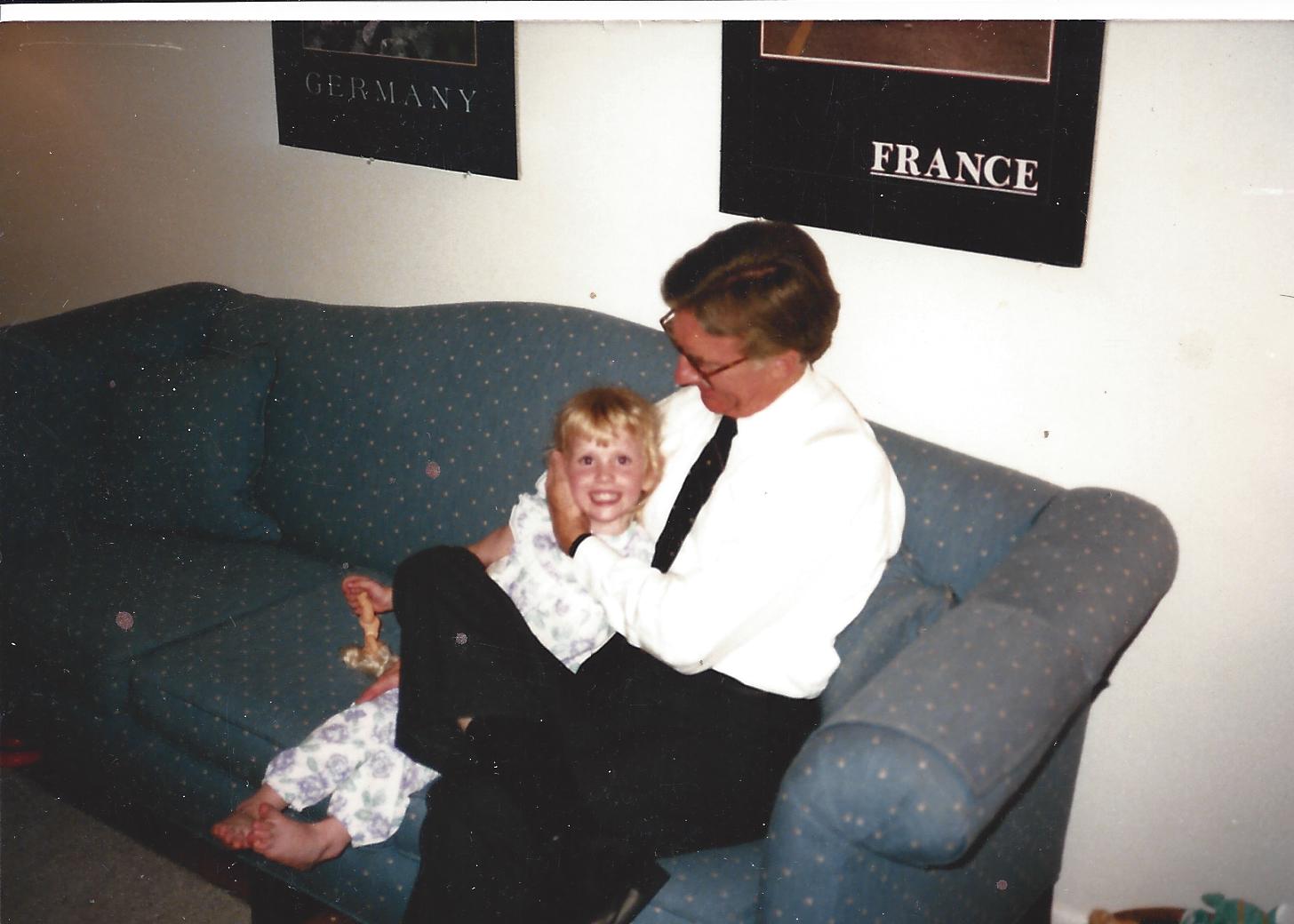

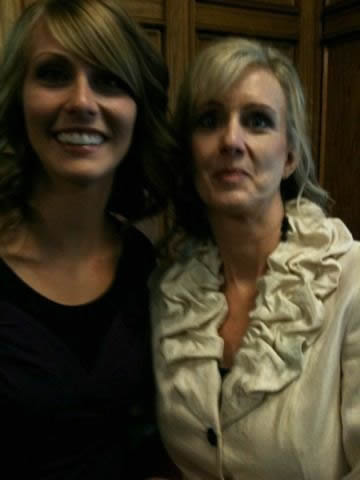


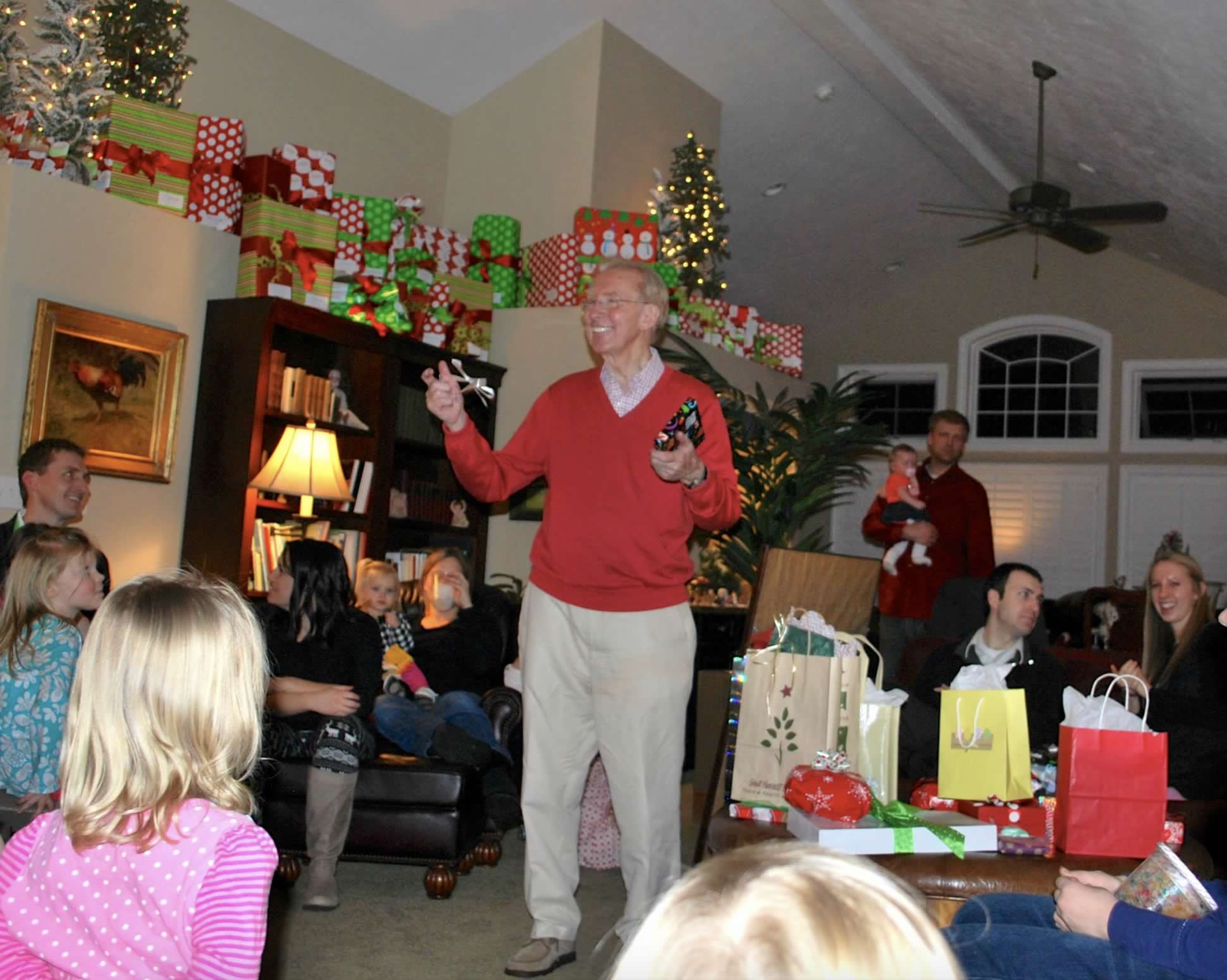


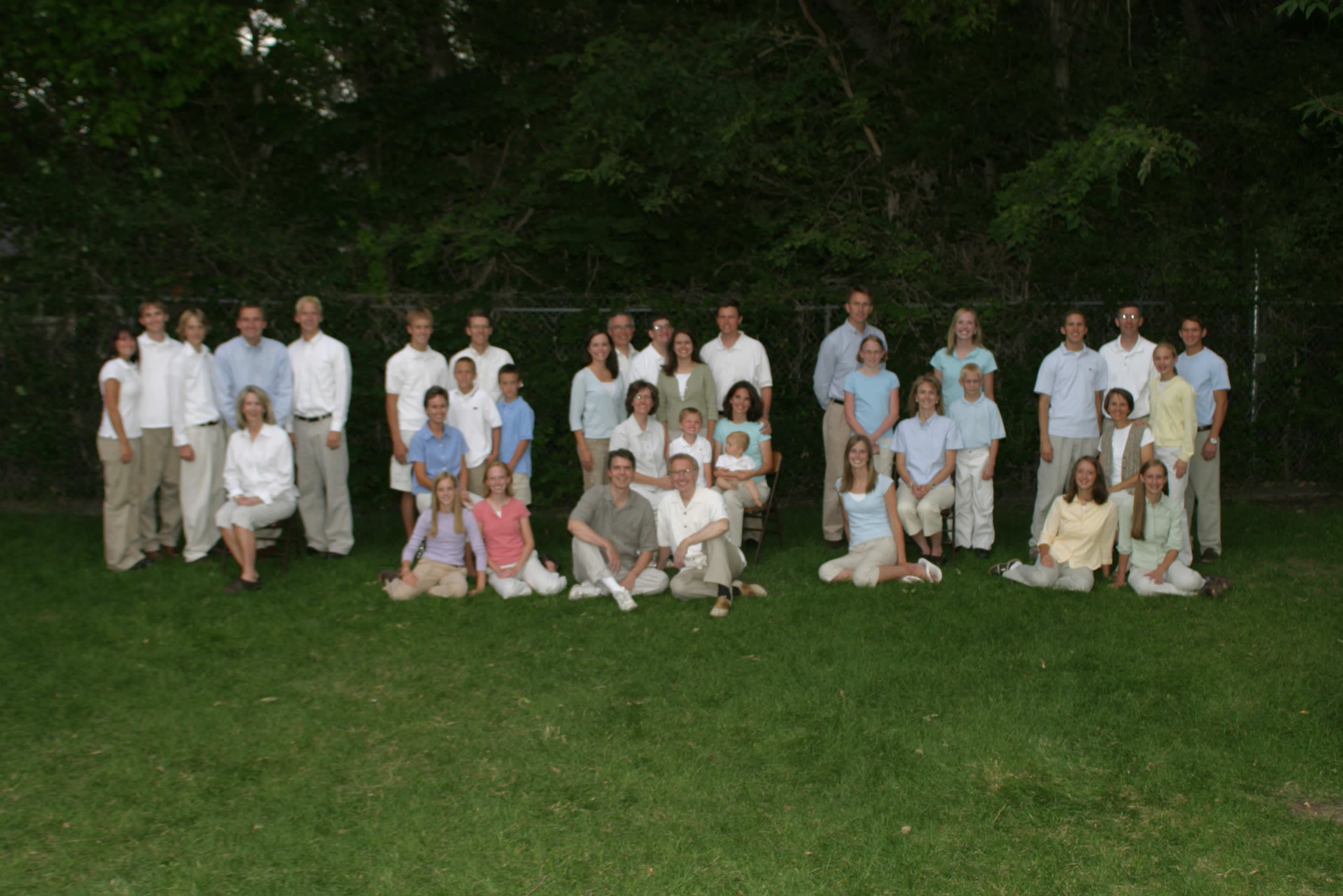






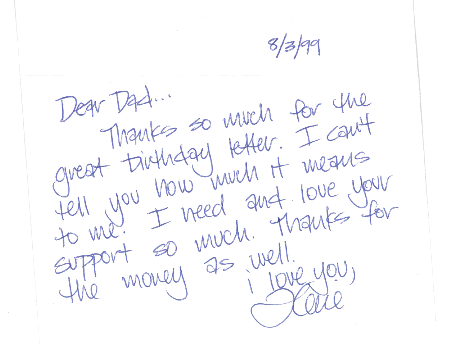
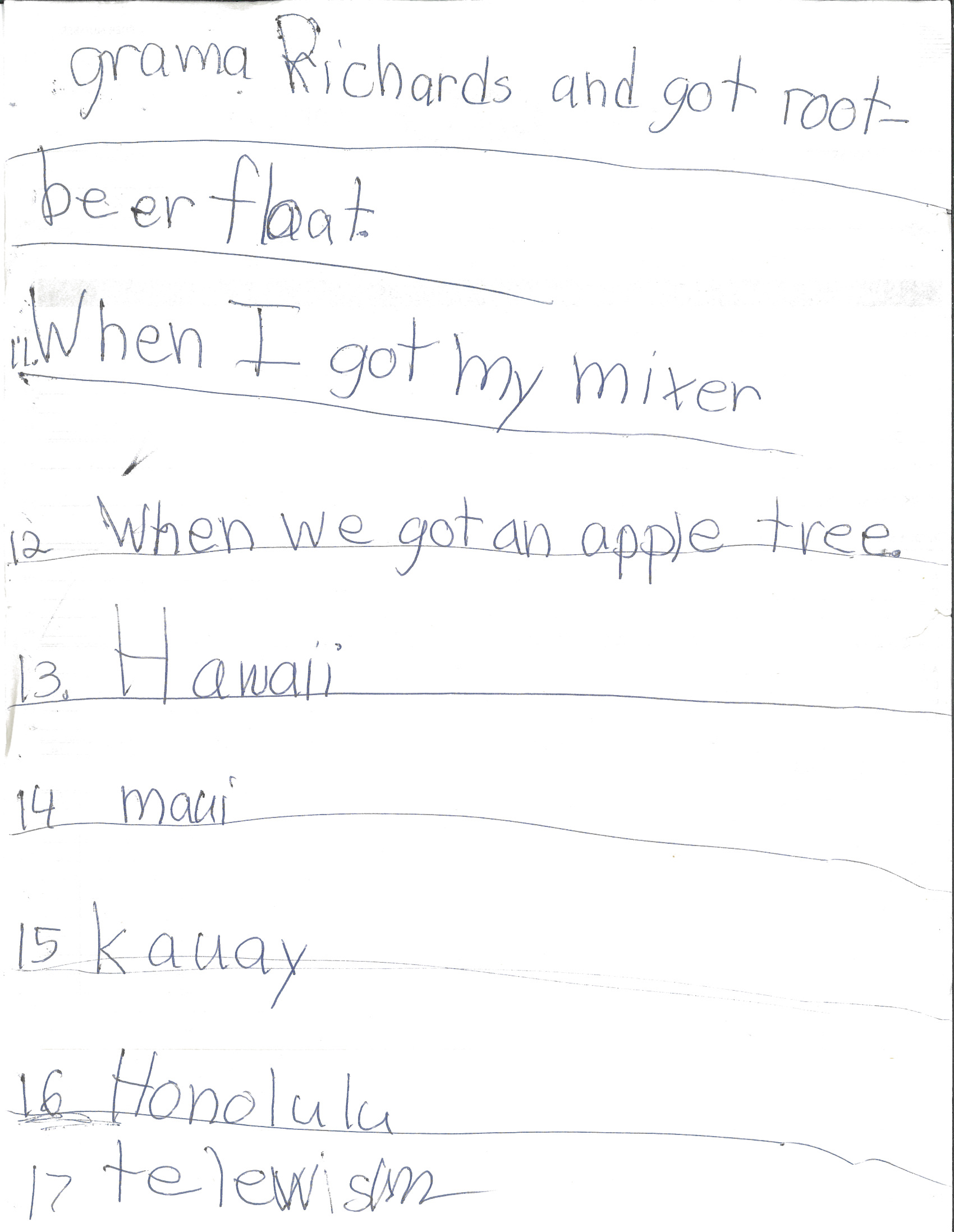




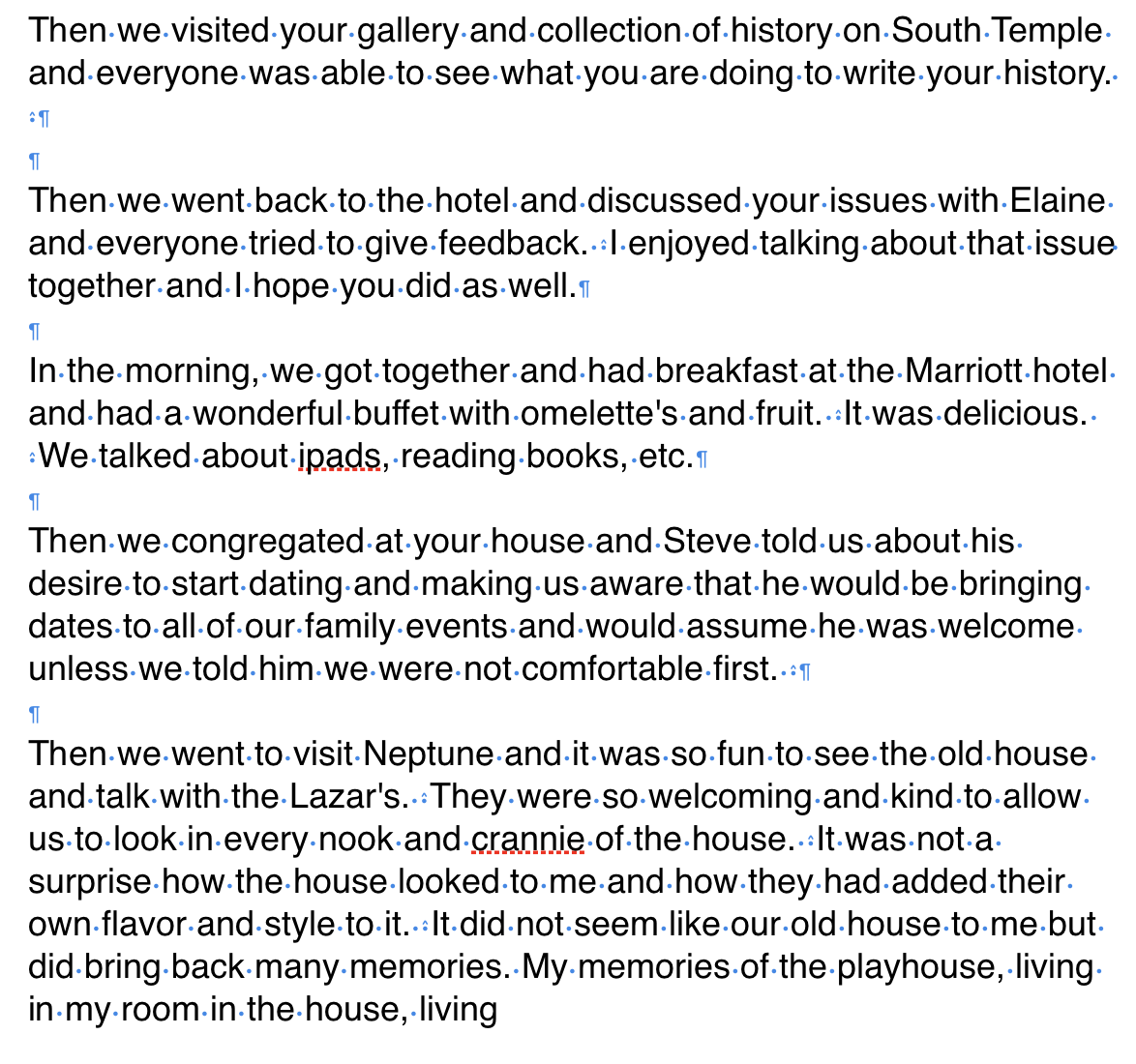



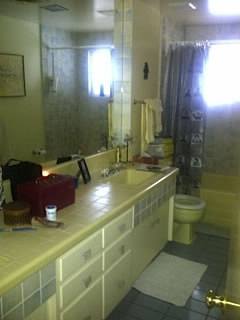














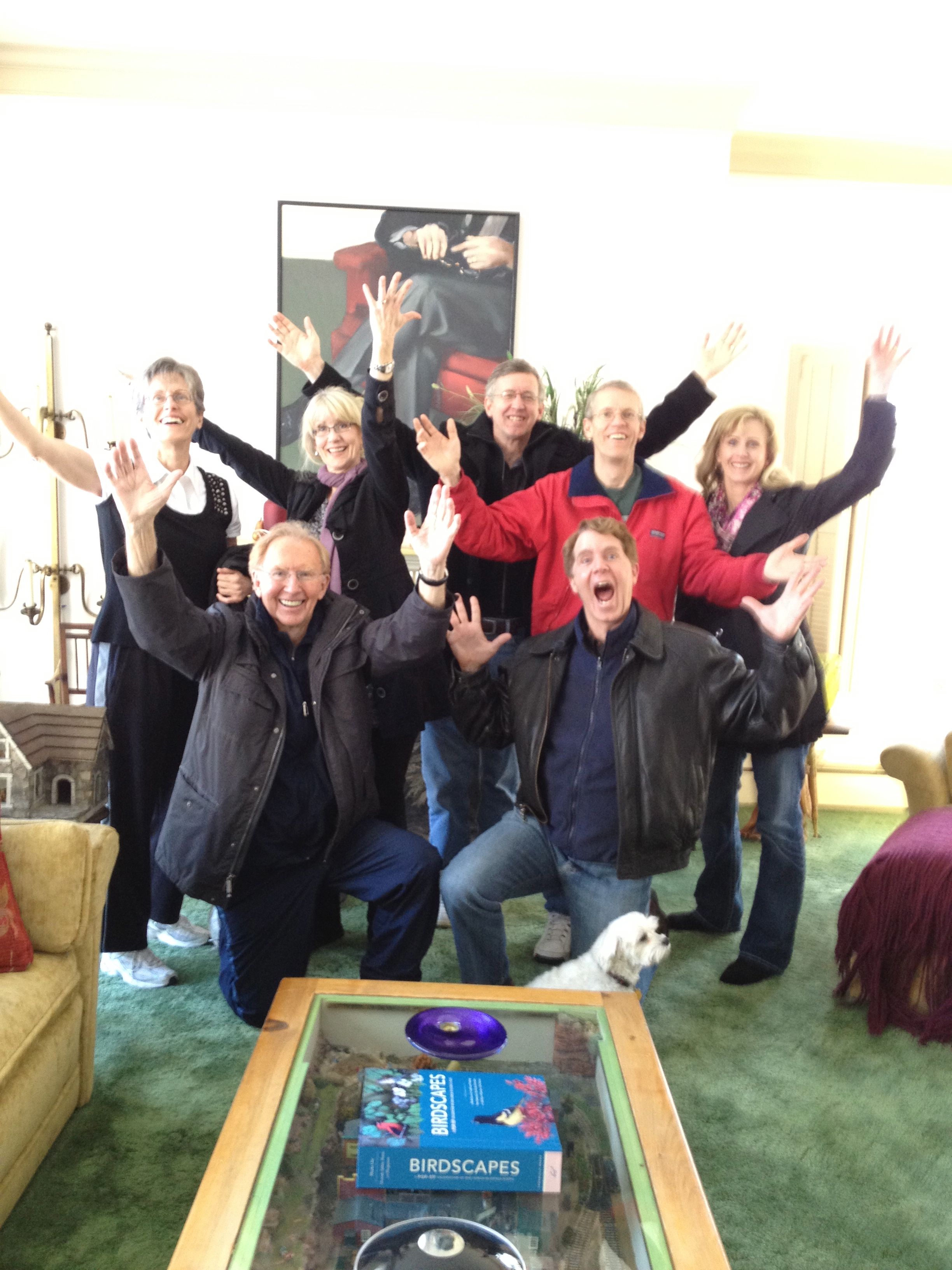

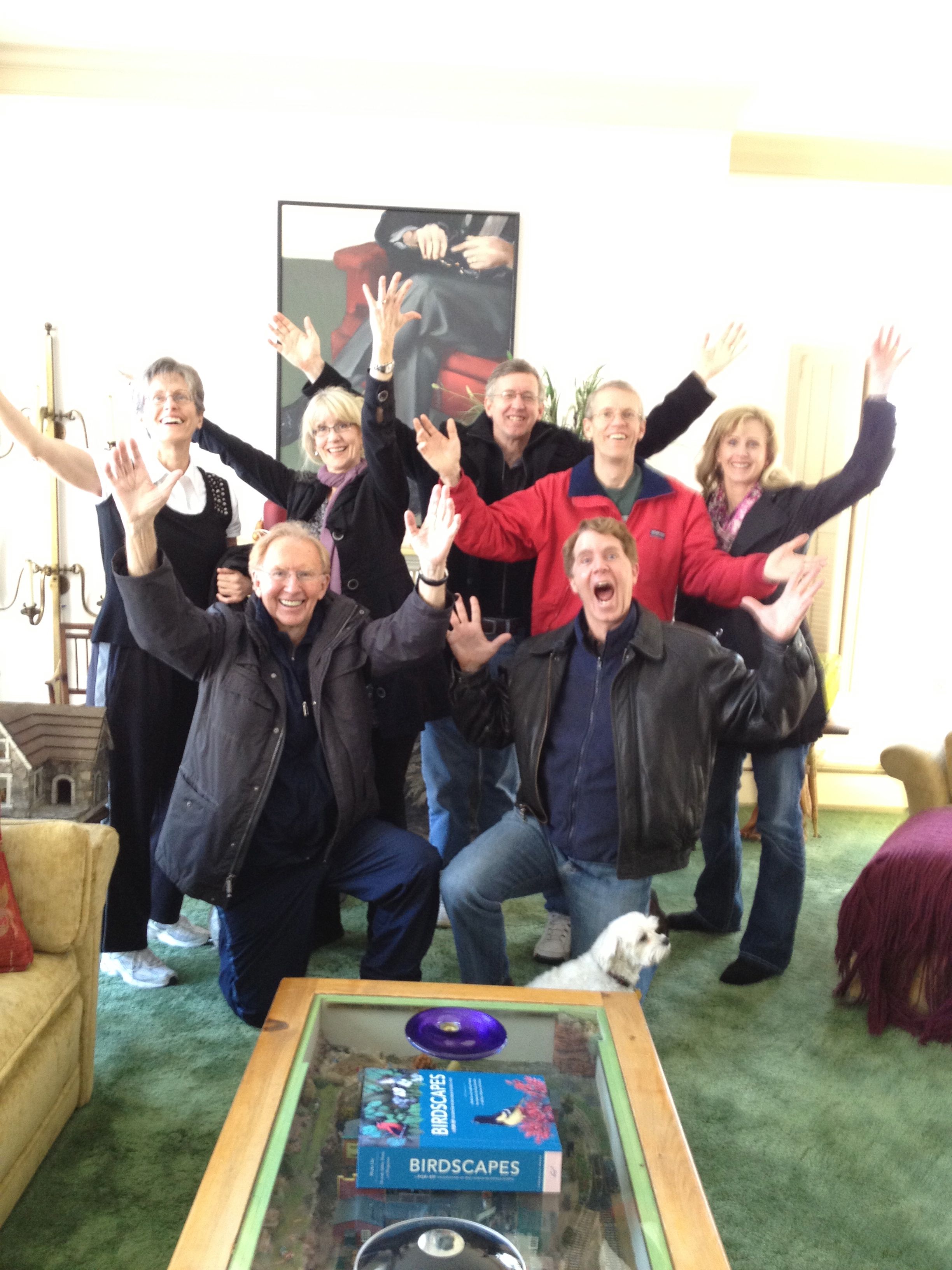
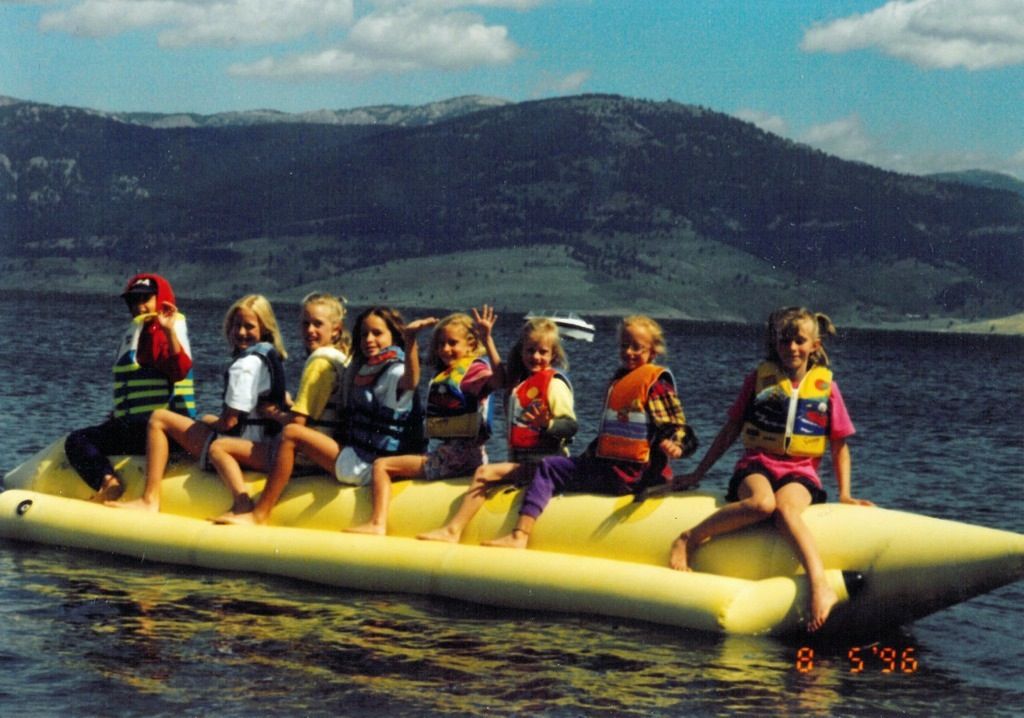

Important Documents & Letters:


Other Highlights of 1962:
 Marilyn and I took a wonderful 3 week trip to Europe just after Florie was born. We had a wonderful time together, her seeing the same places I had visited with my parents following my mission 12 years before. Marilyn had received a $3000 inheritance which we used to pay for the trip. We had a good time together seeing all of those wonderful European cities. We took 400 photo-slides and, if you can imagine, we showed all 400 slides to our Sigma Chi study group soon after we returned. At the beginning of our trip we met Stephen and Sandra in London. Stephen showed us London and Shakespeare country and then he and Sandra returned to Ireland where he was serving as mission president. At the end of our European excursion we ended up in Belfast and spent a few days in the mission home (Redhill) and then toured all of Ireland with Stephen and Sandra in the mission’s Jaguar fine automobile


1962 (35-36)
- Florie Born
- Trip to Europe
- Priest Advisor
Word Events in 1962
Besides to birth of Florence (Florie) Irene Williams Jackson, this is what happened in the World in 1962:
January
- January – Stena Line is established as a ferry operator, by Sten A. Olsson in Gothenburg, Sweden.
- January 1
- Western Samoa becomes independent from New Zealand.
- The United States Navy SEALs, elite special forces, are activated. Navy Seal 1 is commissioned in the Pacific Fleet, and SEAL Team Two in the Atlantic Fleet.
- The Beatles audition for Decca Records, but are rejected.
- NBC introduces the “Laramie peacock“, before a midnight showing of the series Laramie in the United States.
- January 2 – NAACP Executive Secretary Roy Wilkins praises U.S. President John F. Kennedy‘s “personal role” in advancing civil rights.
- January 3 – Pope John XXIII excommunicates Fidel Castro.
- January 4 – New York City introduces a subway train that operates without a crew on board.
- January 8 – Harmelen train disaster: 93 die in the worst Dutch rail disaster.
- January 9 – Cuba and the Soviet Union sign a trade pact.
- January 10 – An avalanche on Nevado Huascarán in Peru causes 4,000 deaths.
- January 12 – The Indonesian Army confirms that it has begun operations in West Irian.
- January 13 – Albania allies itself with the People’s Republic of China.
- January 15 – Portugal abandons the U.N. General Assembly, due to the debate over Angola.
- January 16 – A military coup occurs in the Dominican Republic.
- January 19 – A counter-coup occurs in the Dominican Republic; the old government returns, except for the new president Rafael Filiberto Bonnelly.
- January 22 – The Organization of American States suspends Cuba’s membership; the suspension is lifted in 2009 (47 years later).
- January 24
- The East German government readopts conscription.
- The Organisation armée secrète (OAS) bombs the French Foreign Ministry.
- January 26 – Ranger 3 is launched to study the Moon; it later misses the Moon by 22,000 mi (35,000 km).
- January 27 – The Soviet government changes all place names honoring Molotov, Kaganovich and Georgy Malenkov.
- January 30 – Two of the high-wire “Flying Wallendas” are killed, when their famous seven-person pyramid collapses during a performance in Detroit.
February
- February 3 – The United States embargo against Cuba is announced.
- February 4 – The Sunday Times in the United Kingdom becomes the first paper to print a colour supplement.
- Danny Thomas founds St. Jude Children’s Research Hospital.
- February 4–5 – During a new moon and solar eclipse, an extremely rare grand conjunction of the classical planets occurs (it includes all five of the naked-eye planets plus the Sun and Moon), all of them within 16° of one another on the ecliptic. A total solar eclipse is visible in Asia, Australia and the Pacific Ocean, and is the 49th solar eclipse of Solar Saros 130.
- February 5 – French President Charles de Gaulle calls for Algeria to be granted independence.
- February 6 – Negotiations between U.S. Steel and the United States Department of Commerce begin.
- February 7
- The United States embargo against Cuba comes into effect, prohibiting all U.S.-related Cuban imports and exports.
- Luisenthal Mine Disaster: A coal mine explosion in Saarland, West Germany kills 299.
- February 9 – The Taiwan Stock Exchange Corporation opens.
- February 10 – Captured American spy pilot Francis Gary Powers is exchanged for captured Soviet spy Rudolf Abel, in Berlin.
- February 11 – The inaugural 24 Hours of Daytona sports car endurance race is run as a 3-hour event, at Daytona Beach, Florida.
- February 12 – Six members of the Committee of 100 of the Campaign for Nuclear Disarmament in the U.K. are found guilty of a breach of the Official Secrets Act.
- February 14 – First Lady Jacqueline Kennedy takes television viewers on a tour of the White House.
- February 15 – Urho Kekkonen is re-elected president of Finland.
- February 16 – Heavy storms flood Germany’s North Sea coast, mainly around Hamburg; more than 300 people die and thousands lose their homes.
- February 18 – 1962 NHRA Winternationals: Carol Cox becomes the first woman allowed to race at a National Hot Rod Association national event; she wins in the Super Stock class.
- February 20 – Project Mercury: While aboard Friendship 7, John Glenn becomes the first American to orbit the Earth, three times in 4 hours, 55 minutes.
- February 21 – Margot Fonteyn and Rudolf Nureyev first dance together in a Royal Ballet performance of Giselle, in London.

February 23: Friendship 7 inspected by President Kennedy and Astronaut John Glenn.
March
- March 1
- American Airlines Flight 1 (a Boeing 707) crashes on takeoff at New York International Airport, after a rudder malfunction causes an uncontrolled roll, resulting in the loss of control of the aircraft, with the loss of all 95 on board.
- The S. S. Kresge Company opens its first Kmart discount store in Garden City, Michigan.
- March 2
- A military coup in Burma brings General Ne Win to power.
- Wilt Chamberlain’s 100-point game: Wilt Chamberlain scores 100 points in a single National Basketball Association basketball game.
- March 7 – Ash Wednesday Storm: A snow storm batters the Mid-Atlantic.
- March 8–12 – In Geneva, France and the Algerian FLN begin negotiations.
- March 15 – Katangan Prime Minister Moise Tshombe begins negotiations, to rejoin the Congo.
- March 16 – Flying Tiger Line Flight 739, a Lockheed L-1049H Super Constellation chartered by the United States Military Air Transport Service, and carrying mainly United States Army personnel bound for South Vietnam, vanishes over the western Pacific Ocean, with the loss of all 107 on board (no wreckage or bodies are ever found).
- March 18
- Évian Accords: France and Algeria sign an agreement in Évian-les-Bains, ending the Algerian War.
- Un premier amour, sung by Isabelle Aubret (music by Claude-Henri Vic, lyrics by Roland Stephane Valade), wins the Eurovision Song Contest 1962 for France.
- March 19
- An armistice begins in Algeria; however, the OAS continues its terrorist attacks against Algerians.
- Bob Dylan‘s debut album is released in the United States.
- March 21 – The Taco Bell fast food restaurant chain is founded by Glen Bell, in Downey, California.
- March 23 – The Scandinavian States of the Nordic Council sign the Helsinki Convention on Nordic Co-operation.
- March 24 – OAS leader Edmond Jouhaud is arrested in Oran.
- March 26
- France shortens the term for military service from 26 months to 18.
- Baker v. Carr: The U.S. Supreme Court rules that federal courts can order state legislatures to reapportion seats.
April[edit]
- April 3 – Jawaharlal Nehru is elected de facto Prime Minister of India.
- April 4 – James Hanratty is hanged in Bedford Gaol (England) for the A6 murder; many believe he was innocent.
- April 6
- Belgium reestablishes diplomatic relations with the Congo.
- New York Philharmonic concert of April 6, 1962: Leonard Bernstein causes controversy with his remarks before a concert featuring Glenn Gould with the New York Philharmonic, when he (Bernstein) announces that although he disagrees with Gould’s style of playing Brahms’ Piano Concerto No. 1, he finds Gould’s ideas fascinating and will conduct the piece anyway. Bernstein’s action receives a withering review from The New York Times music critic Harold C. Schonberg.
- April 7 – Milovan Đilas, author and former vice-president of Yugoslavia is re-arrested.
- April 8 – In France, the Évian Accords are adopted in a referendum, with a majority of 90%.
- April 9 – The 34th Academy Awards Ceremony is held; West Side Story wins Best Picture.
- April 10 – In Los Angeles, the first MLB baseball game is played at Dodger Stadium.
- April 13 – OAS leader Edmond Jouhaud is sentenced to death in France.
- April 14 – A Cuban military tribunal convicts 1,179 Bay of Pigs attackers.
- April 18 – The Commonwealth Immigration Bill in the United Kingdom removes free immigration from the citizens of member states of the Commonwealth of Nations.
- April 20 – OAS leader Raoul Salan is arrested in Algiers.
- April 21 – The Century 21 Exposition World’s Fair opens in Seattle.
- April 26 – The Ranger 4 spacecraft crashes into the Moon.
May
- May – Larry Allen Abshier defects to North Korea, becoming the first of six (possibly seven) American defectors to the country.
- May 1
- Norwich City F.C. wins the English Football League Cup, beating Rochdale in the final.
- Dayton Hudson Corporation opens the first of its Target discount stores, in Roseville, Minnesota.
- May 2
- An OAS bomb explodes in Algeria; this and other attacks kill 110, and injure 147.
- S.L. Benfica beats FC Barcelona 5-3 at the Olympic Stadium (Amsterdam), to win the 1961–62 European Cup in association football.
- May 3 – Mikawashima train crash: 160 die in a triple-train disaster near Tokyo.
- May 5 – Twelve East Germans escape via a tunnel, under the Berlin Wall.
- May 6
- Antonio Segni is elected President of the Italian Republic.
- A test of a W47 warhead fired from a Polaris missile, the only time a nuclear missile has been test fired with its warhead detonated, occurs near Palmyra Atoll south of Hawaii.
- May 14
- Juan Carlos of Spain marries the Greek Princess Sophia in Athens.
- Milovan Đilas is given a further sentence in Yugoslavia, for publishing Conversations with Stalin.
- May 22 – Continental Airlines Flight 11 crashes near Unionville, Missouri, after the in-flight detonation of a bomb near the rear lavatory; all 45 passengers and crew aboard are killed.
- May 23
- Drilling for the new Montreal Subway commences.
- Raoul Salan, founder of the French terrorist Organisation armée secrète, is sentenced to life imprisonment in France.
- Ruben Jaramillo, Mexican peasant leader, and his wife and children, are gunned down by the Mexican army and federal police in Xochitepec, Morelos, Mexico.
- May 24 – Project Mercury: Scott Carpenter orbits the Earth 3 times, in the Aurora 7 space capsule.
- May 25 – The new Coventry Cathedral is consecrated in England.
- May 26 – Acker Bilk‘s “Stranger on the Shore” becomes the first British recording to reach number one, in the US Billboard Hot 100.
- May 27 – The Centralia mine fire is ignited in Pennsylvania.
- May 29 – Negotiations between the OAS and the FLA lead to a real armistice in Algeria.
- May 30 – The 1962 FIFA World Cup begins in Chile.
- May 31 – Nazi war criminal Adolf Eichmann is hanged at a prison in Ramla, Israel; his body is cremated and his ashes scattered over the Mediterranean.
June
- June – Rachel Carson‘s Silent Spring begins serialization in The New Yorker; it is released as a book on September 27 in the U.S., giving rise to the modern environmentalist movement.
- June 3 – Air France Flight 007 (a Boeing 707) crashes on take-off at Orly Airport in Paris; 130 of 132 people on board are killed, 2 flight attendants survive. Most victims are cultural and civic leaders of Atlanta.
- June 6 – President John F. Kennedy gives the commencement address at the United States Military Academy at West Point, New York.
- June 11
- President John F. Kennedy gives the commencement address at Yale University.
- Frank Morris, John Anglin and Clarence Anglin escape from the Alcatraz Island prison; the men are never heard from again.
- June 15 – Students for a Democratic Society in the United States complete the Port Huron Statement.
- June 17
- The OAS signs a truce with the FLN in Algeria, but a day later announces that it will continue the fight on behalf of French Algerians.
- Brazil beats Czechoslovakia 3–1, to win the 1962 FIFA World Cup.
- June 22 – Air France Flight 117 (a Boeing 707 jet) crashes into terrain during bad weather in Guadeloupe, West Indies, killing all 113 on board, the airline’s second fatal accident in just 3 weeks, and the third fatal 707 crash of the year.
- June 25
- Engel v. Vitale: The United States Supreme Court rules that mandatory prayers in public schools are unconstitutional.
- MANual Enterprises v. Day: The United States Supreme Court rules that photographs of nude men are not obscene, decriminalizing nude male pornographic magazines.
- İsmet İnönü of the CHP forms the new government of Turkey (27th government, coalition partners; YTP and CKMP).
- June 26 – A 2-day steel strike begins in Italy, in support of increased wages and a five-day working week.
- June 28 – The United Lutheran Church in America, Finnish Evangelical Lutheran Church of America, American Evangelical Lutheran Church and Augustana Evangelical Lutheran Church merge, to form the Lutheran Church in America.
- June 30 – The last soldiers of the French Foreign Legion leave Algeria.
July
- July 1
- Rwanda and Burundi gain independence.
- Algerian independence referendum, 1962: Supporters of Algerian independence win a 99% majority, in a referendum.
- A heavy smog develops over London.
- The Helsinki Convention on Nordic Co-operation of March 23 comes into force, in the Nordic countries.
- July 2
- Charles de Gaulle accepts Algerian independence; France recognizes it the next day.
- The first Walmart store, at this time known as Wal-Mart, opens for business in Rogers, Arkansas.
- July 5 – Algeria becomes independent from France.
- July 6 – Gay Byrne presents the first edition of The Late Late Show on RTÉ in the Republic of Ireland. Byrne goes on to present the show for 37 years, the longest period through which any individual hosts a televised talk show anywhere in the world, and the show itself becomes the world’s second longest-running talk show.
- July 9 – American artist Andy Warhol premieres his Campbell’s Soup Cans exhibit in Los Angeles.
- July 10 – AT&T‘s Telstar, the world’s first commercial communications satellite, is launched into orbit and activated the next day.
- July 12 – The Rolling Stones make their debut at London’s Marquee Club, opening for Long John Baldry.
- July 13 – In what the press dubs “the Night of the Long Knives“, United Kingdom Prime Minister Harold Macmillan dismisses one-third of his Cabinet.
- July 14 – Norma Nolan of Argentina crowns Miss Universe 1962.
- July 17 – Nuclear testing: The “Small Boy” test shot Little Feller I becomes the last atmospheric test detonation, at the Nevada Test Site.
- July 19 – The first annual Swiss & Wielder Hoop and Stick Tournament is held.
- July 20 – France and Tunisia reestablish diplomatic relations.
- July 22 – Mariner program: The Mariner 1 spacecraft flies erratically several minutes after launch, and has to be destroyed.
- July 23 – Telstar relays the first live trans-Atlantic television signal.
- July 25
- The first armed helicopter company of the United States Army is formed at Okinawa, Japan.[1]
- The International Agreement on the Neutrality of Laos is signed in Geneva.
- July 31
- Algeria proclaims independence; Ahmed Ben Bella is the first President.
- A crowd assaults the rally of Sir Oswald Mosley‘s right-wing Union Movement in London.
- An annular solar eclipse is visible in South America, the Atlantic Ocean, Africa and the Indian Ocean, and is the 36th solar eclipse of Solar Saros 135.
August
- August 5
- Death of Marilyn Monroe: Marilyn Monroe is found dead from an overdose of sleeping pills and chloral hydrate at her home in Brentwood, Los Angeles; it is officially ruled a “probable suicide” (the exact cause has been disputed).
- Nelson Mandela is arrested by the South African government near Howick, and charged with incitement to rebellion.
- August 6 – Jamaica becomes independent.
- August 15 – The New York Agreement is signed, trading the West New Guinea colony to Indonesia.
- August 16 – Algeria joins the Arab League.
- August 17 – East German border guards kill 18-year-old Peter Fechter, as he attempts to cross the Berlin Wall into West Berlin.
- August 22 – A assassination attempt is made against French President Charles de Gaulle.
- August 24 – A group of armed Cuban exile terrorists fire at a hotel in Havana from a speedboat.
- August 27 – NASA launches the Mariner 2 space probe.
- August 31 – Trinidad and Tobago becomes independent.
September
- September 1
- A referendum in Singapore supports the Malayan Federation.
- Typhoon Wanda strikes Hong Kong, killing at least 130 and injuring more than 600.
- September 2 – The Soviet Union agrees to send arms to Cuba.
- September 8 – Newly independent Algeria, by referendum, adopts a constitution.
- September 12 – President John F. Kennedy, at a speech at Rice University, reaffirms that the U.S. will put a man on the moon by the end of the decade.
- September 19 – Atlantic College opens its doors for the first time in Wales, marking the birth of the pioneering United World College educational movement.[2]
- September 21 – A border conflict between China and India erupts into fighting.
- September 22 – Bob Dylan, 21, premieres one of his most preeminent songs, “A Hard Rain’s a-Gonna Fall“, in the U.S.
- September 23 – The animated sitcom The Jetsons premieres on ABC in the U.S.
- September 25 – Sonny Liston knocks out Floyd Patterson two minutes into the first round of his fight, for the boxing world title in Chicago.
- September 26 – The North Yemen Civil War erupts.
- September 27 – A flash flood in Barcelona, Spain, kills more than 440 people.
- September 29 – The Canadian Alouette 1, the first satellite built outside the United States and the Soviet Union, is launched from Vandenberg Air Force Base in California.
- September 30 – CBS broadcasts the final episodes of Suspense and Yours Truly, Johnny Dollar, marking the end of the Golden Age of Radio in the United States.
October

October 14: Pictures of Soviet missile silos in Cuba, taken by US spy planes.
- October 1
- The first black student, James Meredith, registers at the University of Mississippi, escorted by Federal Marshals.
- Johnny Carson takes over as permanent host of NBC‘s The Tonight Show in the U.S., a post he will hold for 30 years.
- Lucille Ball and Vivian Vance return to TV with The Lucy Show, two years after the end of I Love Lucy (Vance is the first person to portray a divorcée on a weekly series).
- October 3 – Project Mercury: Mercury-Atlas 8 – Walter Schirra orbits the Earth six times, in the Sigma 7 space capsule.
- October 5
- The French National Assembly censures the proposed referendum to sanction presidential elections by popular mandate; Prime Minister Georges Pompidou resigns, but President de Gaulle asks him to stay in office.
- The Beatles‘ first single in their own right, “Love Me Do“/”P.S. I Love You”, is released in the U.K. on EMI‘s Parlophone label.[3] This version is recorded on September 4, at Abbey Road Studios in London, with Ringo Starr as drummer.
- Dr. No, the first James Bond film, premieres at the London Pavilion, featuring Sean Connery as the hero.
- October 8
- The German magazine Der Spiegel publishes an article about the Bundeswehr‘s poor preparedness; the Spiegel scandal erupts.
- Algeria is accepted into the United Nations.
- October 9 – Uganda becomes independent within the Commonwealth of Nations.
- October 11 – Second Vatican Council: Pope John XXIII convenes the first ecumenical council of the Roman Catholic Church in 92 years.
- October 12
- The infamous Columbus Day Storm strikes the U.S. Pacific Northwest, with wind gusts up to 170 mph (270 km/h); 46 are killed, 11 billion board feet (26 million m³) of timber is blown down, with US$230 million in damage.
- Jazz bassist/composer Charles Mingus invites the public to a live recording session at The Town Hall (New York City), but the public is expecting a formal concert; along with technical problems, the event is the worst moment of his career.
- October 13 – Edward Albee‘s drama Who’s Afraid of Virginia Woolf? debuts on Broadway.
- October 14 – The beginning of the Cuban Missile Crisis: A U-2 flight over Cuba in the Caribbean photographs Soviet nuclear weapons being installed. A stand-off then ensues for another 12 days, after President Kennedy is told of the pictures, between the United States and the Soviet Union, threatening the world with nuclear war.
- October 20 – The Sino-Indian War, a border dispute involving two of the world’s largest nations (India and the People’s Republic of China), begins.
- October 22 – Cuban Missile Crisis: In a televised address, U.S. President John F. Kennedy announces to the nation the existence of Soviet missiles in Cuba.
- October 24 – Cuban Missile Crisis: The first confrontation occurs between the U.S. Navy and a Soviet cargo vessel; the vessel changes course.
- October 26 – Spiegel scandal: German police occupy the offices of Der Spiegel in Hamburg.
- October 28
- The end of the Cuban Missile Crisis: Soviet Union leader Nikita Khrushchev announces that he has ordered the removal of Soviet missile bases in Cuba. In a secret deal between Kennedy and Khrushchev, Kennedy agrees to the withdrawal of U.S. missiles from Turkey. The fact that this deal is not made public makes it look as though the Soviets have backed down.[dubious ]
- A referendum in France favors the election of the president by universal suffrage.
- October 31 – The United Nations General Assembly asks the United Kingdom to suspend enforcement of the new constitution in Southern Rhodesia (now Zimbabwe), but it comes into effect on November 1.
November
- November – Aleksandr Solzhenitsyn‘s novella One Day in the Life of Ivan Denisovich (Russian: Оди́н день Ива́на Дени́совича, Odin den’ Ivana Denisovicha), the author’s semi-autobiographical account of life in the gulag, is published in Novy Mir, in an unprecedented acknowledgement of the Soviet Union‘s Stalinist past.
- November 1
- The Soviets begin dismantling their missiles in Cuba.
- The comic book antihero Diabolik first appears in Italy.
- November 3 – Earliest recorded use of the term “personal computer“, in the report of a speech by computing pioneer John Mauchly in The New York Times.[4]
- November 5
- West German defense minister Franz Josef Strauß is relieved of his duties over the Spiegel scandal, due to his alleged involvement in police action against the magazine.
- Saudi Arabia breaks off diplomatic relations with Egypt, following a period of unrest, partly caused by the defection of several Saudi princes to Egypt.
- A coal mining disaster in Ny-Ålesund kills 21 people; the Norwegian government is forced to resign in the aftermath of this accident, in August 1963.
- November 6 – Apartheid: The United Nations General Assembly passes a resolution condemning South Africa’s racist apartheid policies and calls for all UN member states to cease military and economic relations with the nation.
- November 7 – Richard M. Nixon loses the California governor’s race. In his concession speech, he states that this is “Richard Nixon’s last press conference” and “you won’t have Nixon to kick around any more”.
- November 17 – Dulles International Airport, in Washington, D.C., is dedicated by President John F. Kennedy.
- November 20 – Cuban missile crisis: In response to the Soviet Union agreeing to remove its missiles from Cuba, President John F. Kennedy ends the blockade of the island.
- November 21 – The Sino-Indian War ends with a Chinese ceasefire.
- November 23 – United Airlines Flight 297 crashes in Columbia, Maryland, killing all 17 on board.
- November 24 – The first episode of the groundbreaking satirical comedy program That Was the Week That Was, hosted by David Frost, is broadcast on BBC Television in the U.K.
- November 26
- Spiegel scandal: German police end their occupation of Der Spiegel‘s offices.
- Mies Bouwman starts presenting the first live TV-marathon fundraising show (Open Het Dorp in the Netherlands), which lasts 23 hours non-stop.
- November 27 – French President Charles De Gaulle orders Georges Pompidou to form a government.
- November 29 – An agreement is signed between Britain and France, to develop the Concorde supersonic airliner.
- November 30 – The United Nations General Assembly elects U Thant of Burma, as the new Secretary-General of the United Nations.
December
- December 2 – Vietnam War: After a trip to Vietnam at the request of U.S. President John F. Kennedy, U.S. Senate Majority Leader Mike Mansfield becomes the first American official to make a pessimistic public comment on the war’s progress.
- December 7 – Rainier III, Prince of Monaco revises the principality‘s constitution, devolving some of his formerly autocratic power to several advisory and legislative councils.
- December 8
- The first period of the Second Vatican Council closes.
- The North Kalimantan National Army revolts in Brunei, in the first stirrings of the Indonesian Confrontation.
- The 1962–63 New York City newspaper strike begins, affecting all of the city’s major newspapers; it will last for 114 days.
- Queen Wilhelmina of the Netherlands, who died on November 28, is buried at the Nieuwe Kerk (Delft).
- December 9 – Tanganyika (modern-day Tanzania) becomes a republic within the Commonwealth of Nations, with Julius Nyerere as president.
- December 10 – David Lean‘s epic film Lawrence of Arabia, featuring Peter O’Toole, Omar Sharif, Alec Guinness, Jack Hawkins and Anthony Quinn, premieres in London; 6 days later, it opens in the U.S.
- December 11
- In West Germany, a coalition government of Christian Democrats, Christian Socialists and Free Democrats is formed.
- The last execution by hanging is carried out in Canada.
- December 14
- U.S. spacecraft Mariner 2 passes by Venus, becoming the first spacecraft to transmit data from another planet.
- Leonardo da Vinci‘s early 16th-century painting the Mona Lisa is assessed for insurance purposed at US$100 million before touring the United States for several months, the highest insurance value for a painting in history. However, the Louvre, its owner, chooses to spend the money that would have been spent on the insurance premium on security instead.
- December 15 – Storm over the North Sea: Belgian pirate radio station Radio Uylenspiegel is knocked off the airwaves, never to operate again.
- December 19 – Britain acknowledged the right of Nyasaland (modern-day Malawi) to secede from the Central African Federation.
- December 21 – Britain agrees to purchase Polaris missiles from the U.S.
- December 22
- Winter of 1962–63 in the United Kingdom: The “Big Freeze” begins; there are no frost-free nights until March 5, 1963.
- “Telstar”, by The Tornados, becomes the first single by a British group to reach No. 1 on the US charts, predating The Beatles by 13 months.
- December 24 – Cuba releases the last 1,113 participants in the Bay of Pigs Invasion to the U.S., in exchange for food worth $53 million.
- December 30
- United Nations troops occupy the last rebel positions in Katanga; Moise Tshombe moves to South Rhodesia.
- An unexpected storm buries Maine under five feet of snow, forcing the Bangor Daily News to miss a publication date for the only time in history. The same day, also, the Netherlands are covered with several feet of snow.
Date unknown
- American advertising man Martin K. Speckter invents the interrobang, a new English-language punctuation mark.
- Helen Gurley Brown‘s Sex and the Single Girl is published in the U.S.
- The Irish folk band The Dubliners is formed, at O’Donoghue’s Pub in Dublin.
- The laser diode is invented.
- Slavery in Yemen is abolished.
Events in only the USA in 1962
Federal Government
- President: John F. Kennedy (D–Massachusetts)
- Vice President: Lyndon B. Johnson (D–Texas)
- Chief Justice: Earl Warren (California)
- Speaker of the House of Representatives: vacant (until January 10), John William McCormack (D–Massachusetts) (starting January 10)
- Senate Majority Leader: Mike Mansfield (D–Montana)
- Congress: 87th
Events
January
- January 1
- The United States Navy SEALs are activated. SEAL Team One is commissioned in the Pacific Fleet and SEAL Team Two in the Atlantic Fleet.
- NBC introduces the “Laramie peacock” before a midnight showing of the series Laramie.
- January 2 – NAACP Executive Secretary Roy Wilkins praises U.S. President John F. Kennedy‘s “personal role” in advancing civil rights.
- January 4 – New York City introduces a subway train that operates without a crew on board.
- January 26 – Ranger 3 is launched to study the Moon but later misses its target by 22,000 miles.
- January 30 – Two of the high-wire “Flying Wallendas” are killed, when their famous 7-person pyramid collapses during a performance in Detroit, Michigan.
February
- February 3 – The United States embargo against Cuba is announced.
- February 6 – Negotiations between U.S. Steel and the United States Department of Commerce begin.
- February 7 – The United States Government bans all U.S.-related Cuban imports and exports.
- February 10 – Captured American spy pilot Francis Gary Powers is exchanged for captured Soviet spy Rudolf Abel in Berlin.
- February 14 – First Lady Jacqueline Kennedy takes television viewers on a tour of the White House.
- February 20 – Project Mercury: while aboard Friendship 7, John Glenn becomes the first American to orbit the Earth, three times in 4 hours, 55 minutes.
March
- March 1 – An American Airlines Boeing 707 crashes on takeoff at New York International Airport, after its rudder separates from the tail, with the loss of all life on board.
- March 2 – Wilt Chamberlain scores 100 points in a single NBA basketball game.
- March 7 – Ash Wednesday Storm: a snow storm batters the Mid-Atlantic.
- March 19 – Bob Dylan releases his debut album, Bob Dylan.
- March 26 – Baker v. Carr: the U.S. Supreme Court rules that federal courts can order state legislatures to reapportion seats.
April
- April 6 – Leonard Bernstein causes controversy with his remarks before a concert featuring Glenn Gould with the New York Philharmonic.
- April 9 – The 34th Academy Awards ceremony is held; West Side Story wins Best Picture.
- April 10 – In Los Angeles, California, the first MLB game is played at Dodger Stadium.
- April 14 – A Cuban military tribunal convicts 1,179 Bay of Pigs attackers.
- April 21 – The Century 21 Exposition World’s Fair opens in Seattle, Washington, opening the Space Needle to the public for the first time.
May
- May 1 – Dayton Hudson Corporation opens the first of its Target discount stores in Roseville, Minnesota.
- May 24 – Project Mercury: Scott Carpenter orbits the Earth 3 times in the Aurora 7 space capsule.
June
- June 3 – Air France Flight 007, Boeing 707 Chateau de Sully on a charter flight carrying cultural and civic leaders of Atlanta, Georgia, overruns the runway at Orly Airport in Paris; 130 of 132 passengers are killed.
- June 6 – President John F. Kennedy gives the commencement address at the United States Military Academy at West Point, New York.
- June 11 – President John F. Kennedy gives the commencement address at Yale University.
- June 15 – Port Huron Statement completed.
- June 25 – United States Supreme Court rulings:
- Engel v. Vitale: the court rules that mandatory prayers in public schools are unconstitutional.
- MANual Enterprises v. Day: the court rules that photographs of nude men are not obscene, decriminalizing nude male pornographic magazines.
- June 28 – The United Lutheran Church in America, the Finnish Evangelical Lutheran Church of America, the American Evangelical Lutheran Church and the Augustana Evangelical Lutheran Church merge to form the Lutheran Church in America.
July
- July 2 – The first Wal-Mart store opens for business in Rogers, Arkansas.
- July 10 – AT&T‘s Telstar, the world’s first commercial communications satellite, is launched into orbit, and activated the next day.
- July 17
- Nuclear testing: the “Small Boy” test shot Little Feller I becomes the last atmospheric test detonation at the Nevada Test Site.
- Robert M. White: flew the X-15 to an altitude of 314,750 feet (59 miles, 96 km) to qualify him for USAF astronaut wings becoming the first “winged” astronaut, and one of a few who have flown into space without a conventional spacecraft.
- July 22 – Mariner program: the Mariner 1 spacecraft flies erratically several minutes after launch and has to be destroyed.
August
- August 5 – Marilyn Monroe is found dead at age 36 from “acute barbiturate poisoning”.
- August 15 – The New York Agreement is signed trading the West New Guinea colony to Indonesia.
- August 27 – NASA launches the Mariner 2 space probe.
September
- September 12 – President John F. Kennedy, at a speech at Rice University featuring the words “We choose to go to the Moon“, reaffirms that the U.S. will put a man on the Moon by the end of the decade.
- September 22 – 21-year-old Bob Dylan premieres his song “A Hard Rain’s a-Gonna Fall“.
- September 23 – The animated sitcom The Jetsons premieres on ABC.
- September 25 – Sonny Liston knocks out Floyd Patterson two minutes into the first round of his fight for the boxing world title at Comiskey Park in Chicago.
- September 29 – The Canadian Alouette 1, the first satellite built outside the United States and the Soviet Union, is launched from Vandenberg Air Force Base in California.
- September 30 – CBS broadcasts the final episodes of Suspense and Yours Truly, Johnny Dollar, marking the end of the Golden Age of Radio.
October

October 14–28: Cuban Missile Crisis
- October 1
- The first black student, James Meredith, registers at the University of Mississippi, escorted by Federal Marshals.
- Johnny Carson takes over as permanent host of NBC‘s The Tonight Show, a post he will hold for 30 years.
- October 12
- Groove Phi Groove Social Fellowship Incorporated is founded at Morgan State College.
- The infamous Columbus Day Storm strikes the U.S. Pacific Northwest with wind gusts up to 170 mph (270 km/h); 46 are killed, 11 billion board feet (26 million m³) of timber is blown down, with $230 million U.S. in damages.
- Jazz bassist/composer Charles Mingus presents a disastrous concert at Town Hall in New York City. It will gain a reputation as the worst moment of his career.
- October 13 – Who’s Afraid of Virginia Woolf? opens on Broadway.
- October 14 – Cuban Missile Crisis begins: a U-2 flight over Cuba takes photos of Soviet nuclear weapons being installed. A stand-off then ensues the next day between the United States and the Soviet Union, threatening the world with nuclear war.
- October 16 – The New York Yankees defeat the San Francisco Giants 1-0 in Game 7 of the 1962 World Series.
- October 22 – In a televised address, U.S. President John F. Kennedy announces to the nation the existence of Soviet missiles in Cuba.
- October 27 – The British revue play Beyond the Fringe makes its Broadway debut.
- October 28 – Cuban Missile Crisis: Soviet Union leader Nikita Khrushchev announces that he has ordered the removal of Soviet missile bases in Cuba. In a secret deal between Kennedy and Khrushchev, Kennedy agrees to the withdrawal of U.S. missiles from Turkey. The fact that this deal is not made public makes it look like the Soviets have backed down.
November
- November 7 – Richard M. Nixon loses the California governor’s race. In his concession speech, he states that this is his “last press conference” and that “you won’t have Dick Nixon to kick around any more”.
- November 17 – In Washington, D.C., U.S. President John F. Kennedy dedicates Dulles International Airport.
- November 20 – The Cuban Missile Crisis ends: in response to the Soviet Union agreeing to remove its missiles from Cuba, U.S. President John F. Kennedy ends the quarantine of the Caribbean nation.
December
- December 2 – Vietnam War: after a trip to Vietnam at the request of U.S. President John F. Kennedy, U.S. Senate Majority Leader Mike Mansfield becomes the first American official to make a non-optimistic public comment on the war’s progress.
- December 8 – The 1962 New York City newspaper strike begins, affecting all of the city’s major newspapers; it lasts for 114 days.
- December 14 – U.S. spacecraft Mariner 2 flies by Venus, becoming the first probe to successfully transmit data from another planet.
- December 24 – Cuba releases the last 1,113 participants in the Bay of Pigs Invasion to the U.S., in exchange for food worth $53 million.
- December 30 – An unexpected storm buries Maine under five feet of snow, forcing the Bangor Daily News to miss a publication date for the first and only time in its history.
Undated
- American advertising man Martin K. Speckter invents the interrobang, a new English-language punctuation mark.
- Publication of Helen Gurley Brown‘s Sex and the Single Girl.
Ongoing
- Cold War (1947–1991)
- Space Race (1957–1975)
–Wikipedia: https://en.wikipedia.org/wiki/1962_in_the_United_States