
1952
(Age 25-26)Louise Born October 22, 1952
CRW TALKS ABOUT LOUISE WILLIAMS NELSON:
Marilyn Louise Williams Nelson
Married Gary NelsonChildren: Anna Anderson (Dan), Daniel Nelson (Angie), Heidi Cutler (Jason), Mike Nelson (Shelby), Sarah Kramer (Colson), Joe Nelson (Carlie)
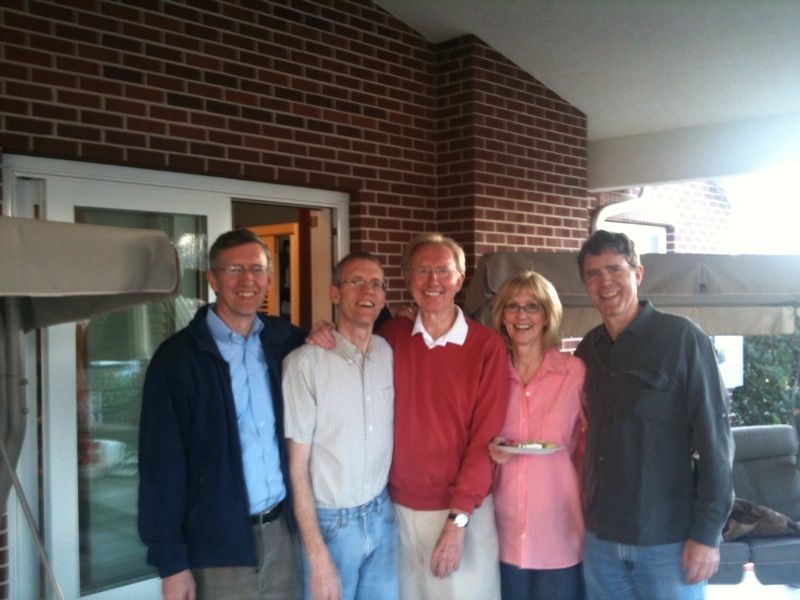
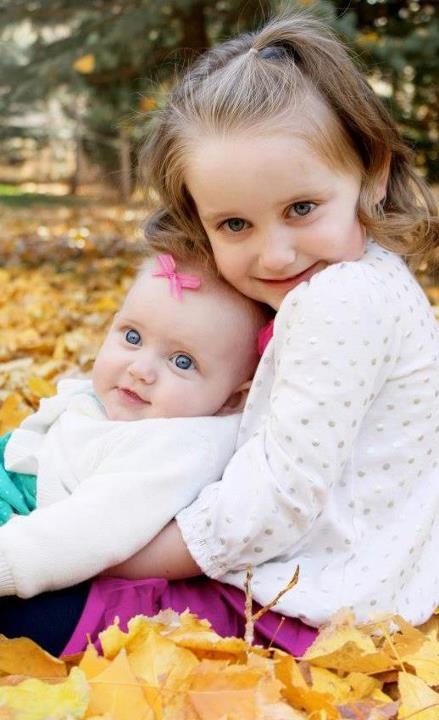
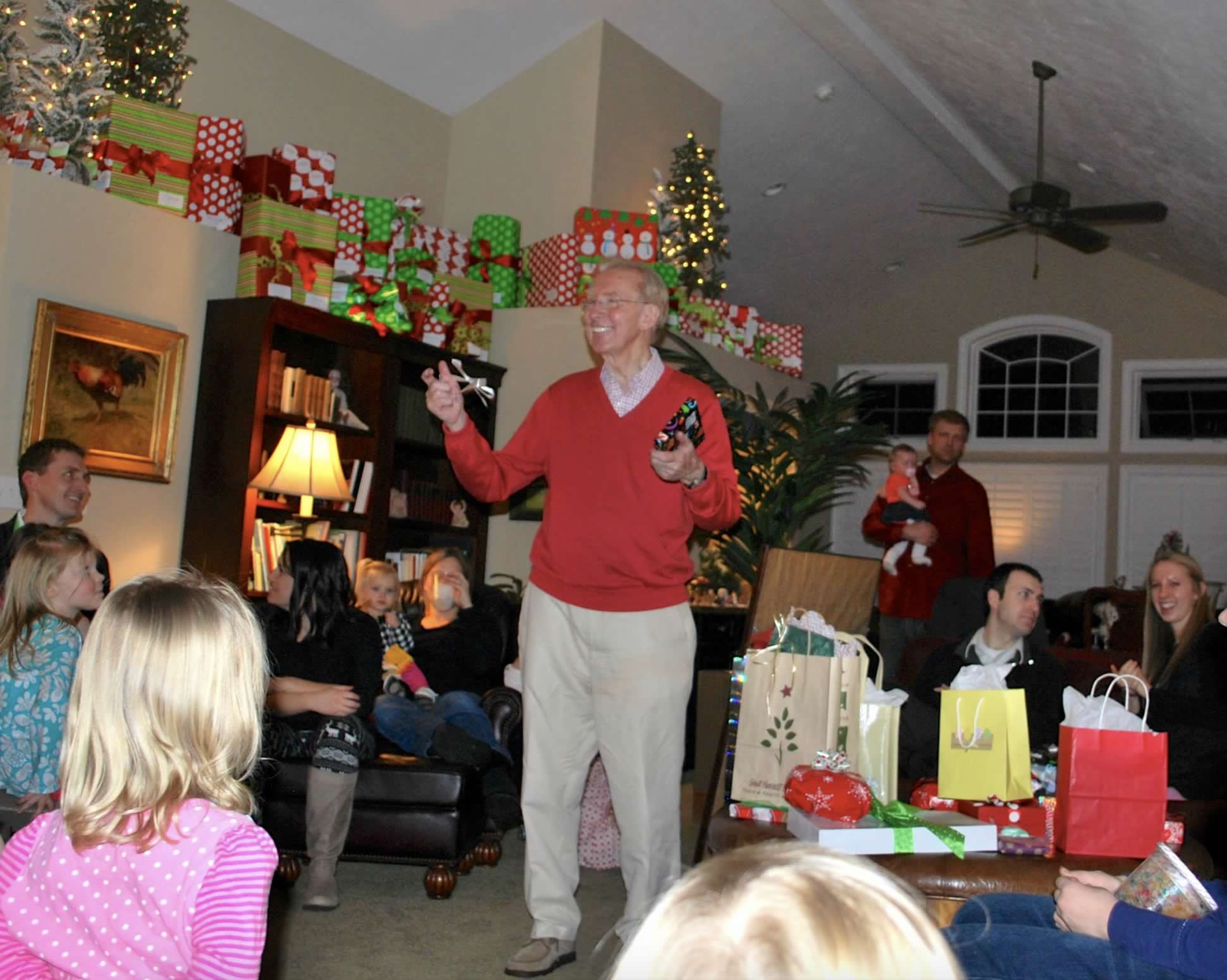
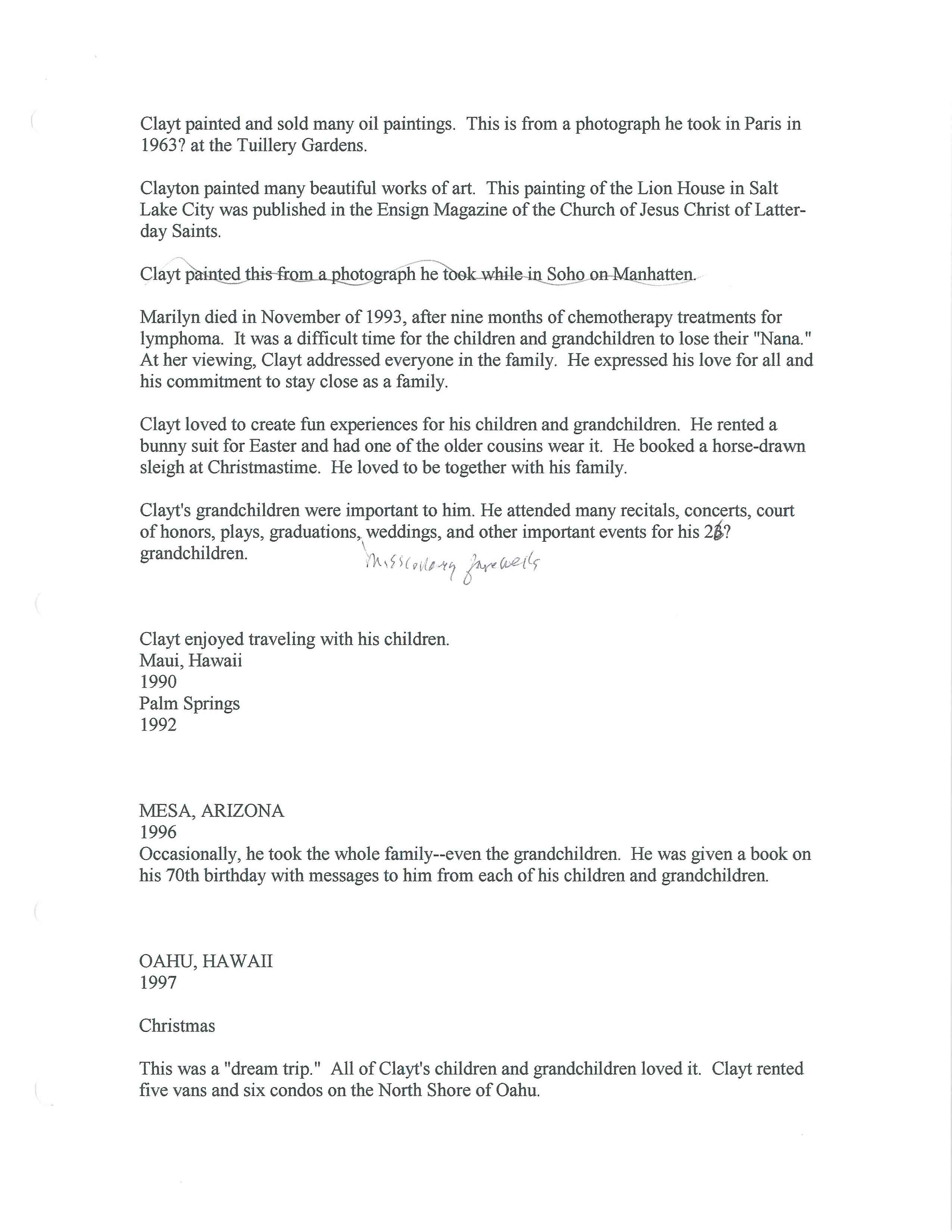
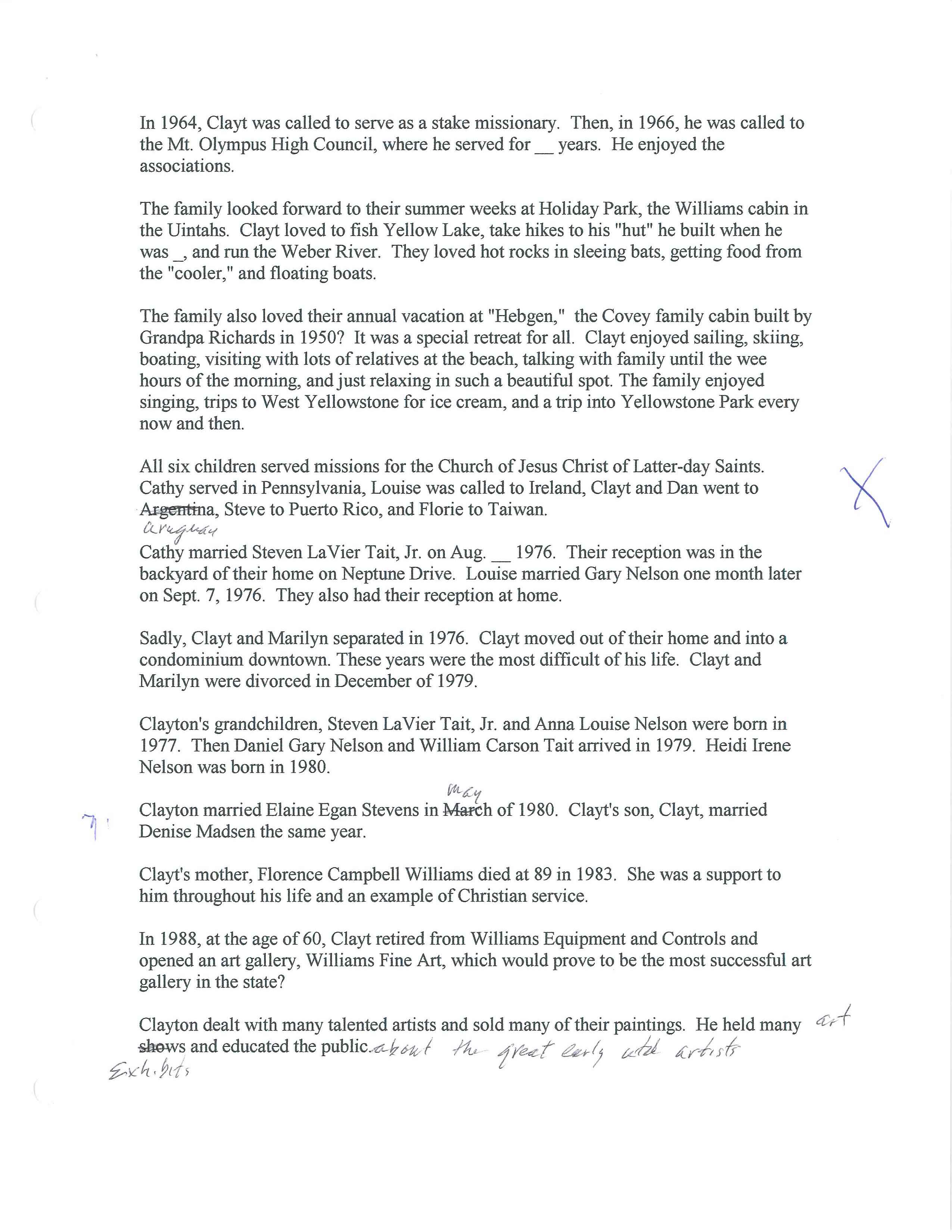
Memorable Photos of Louise and her family:
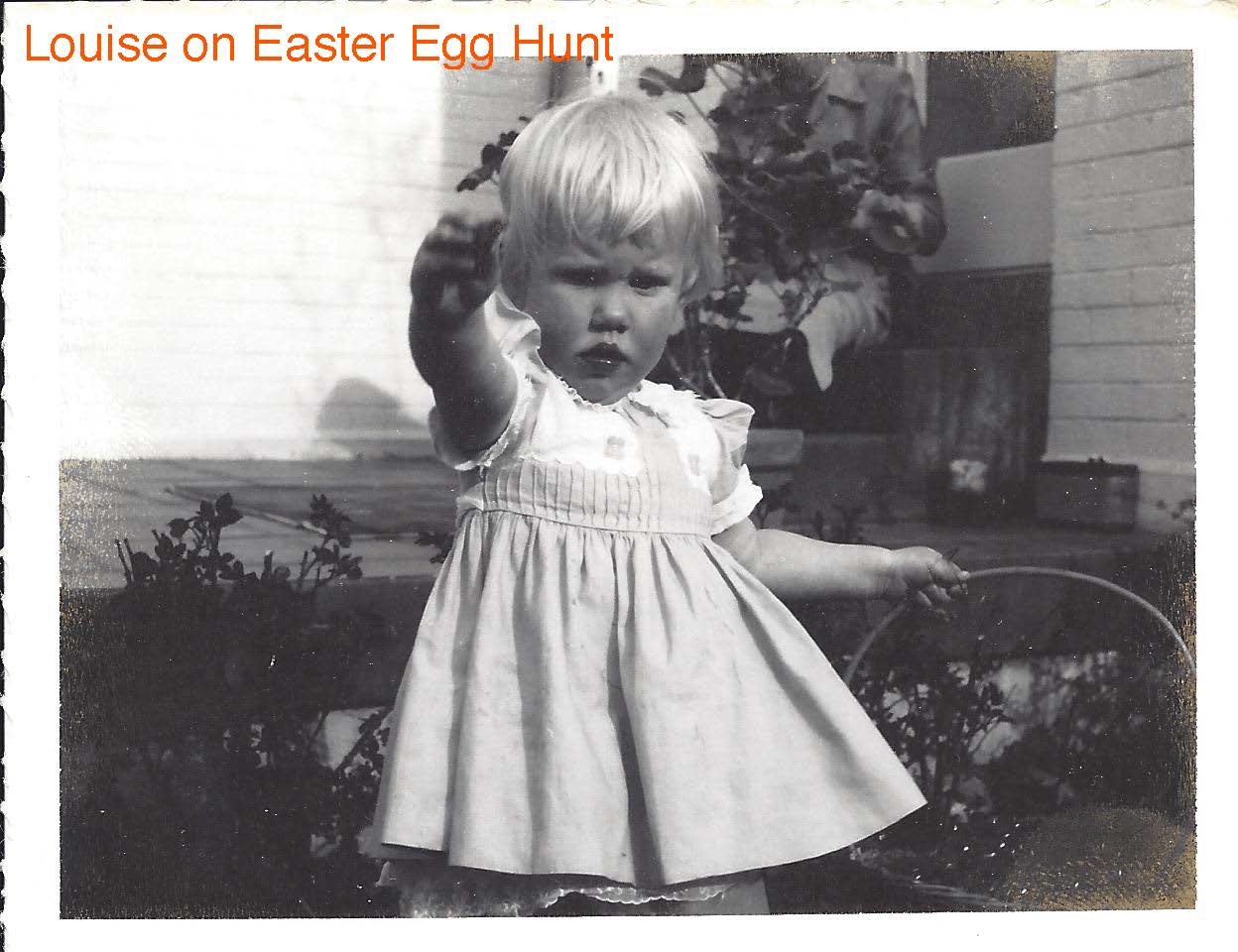
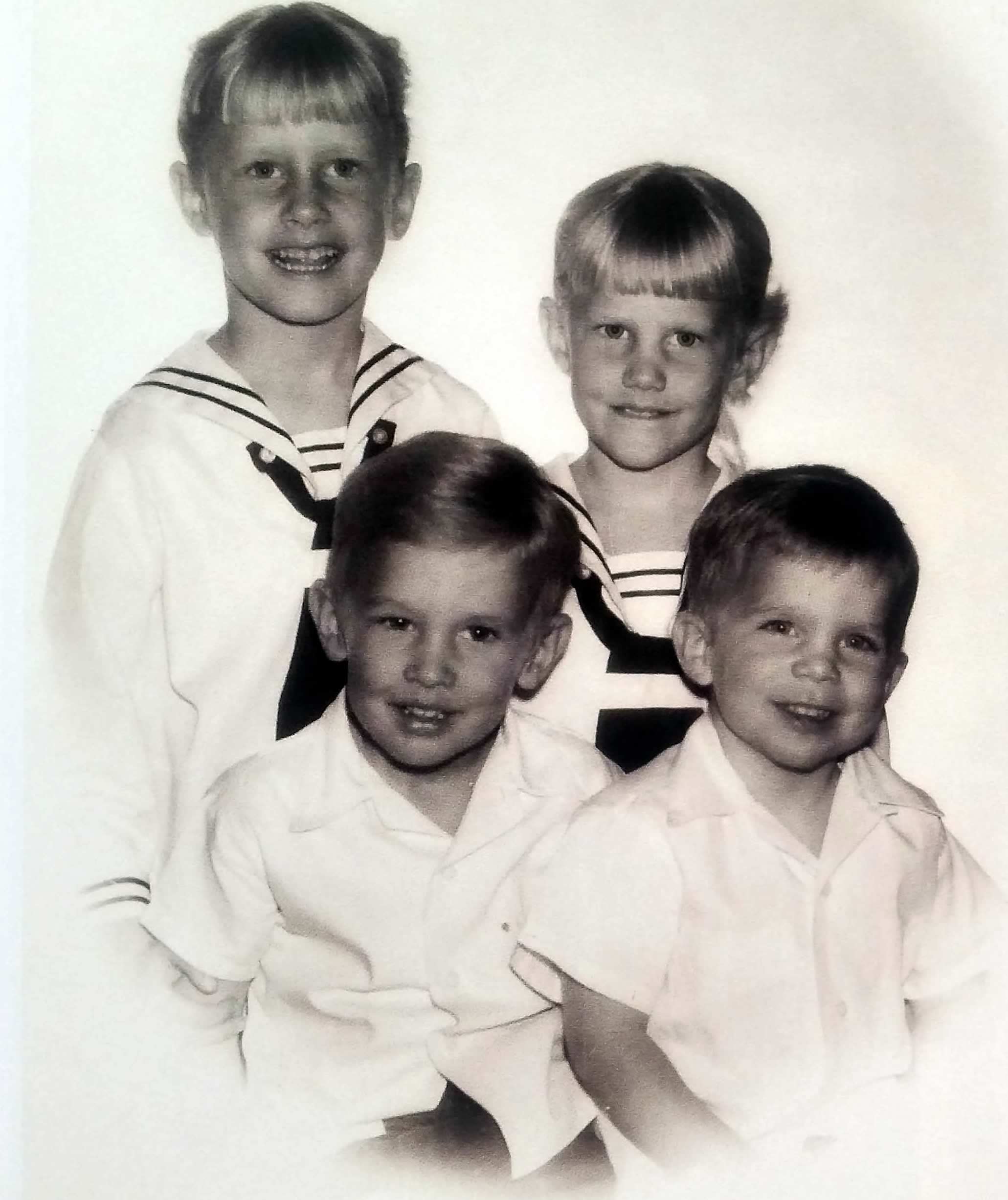

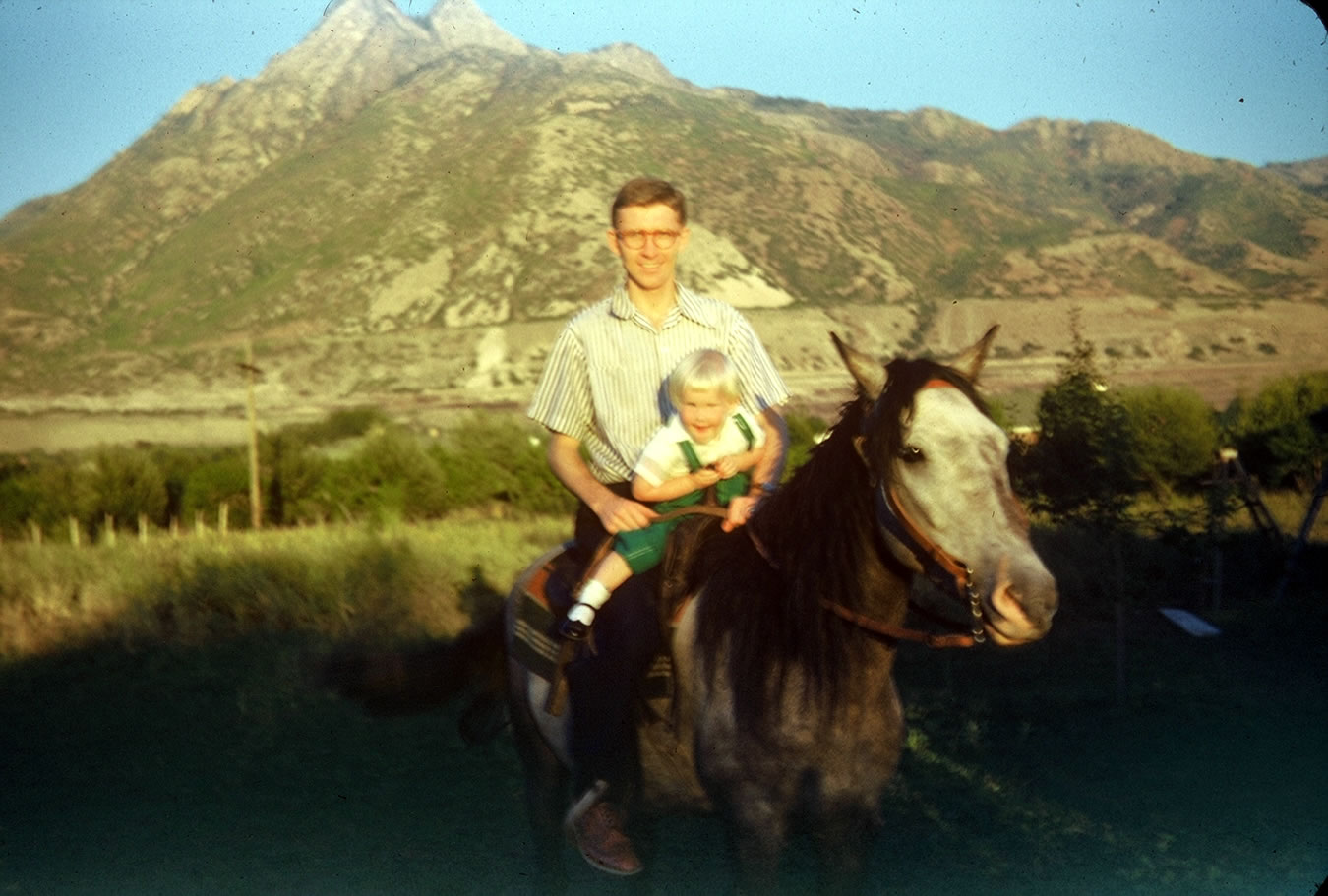
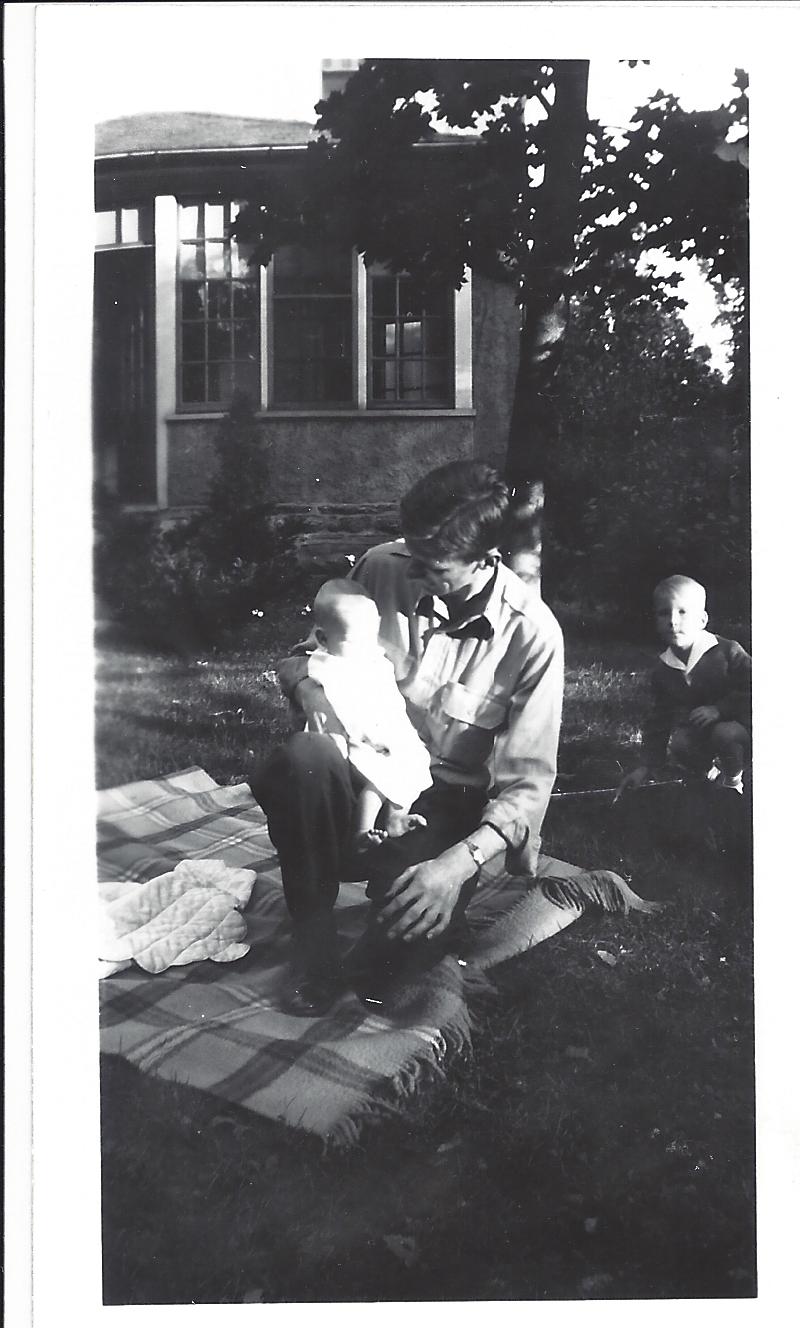


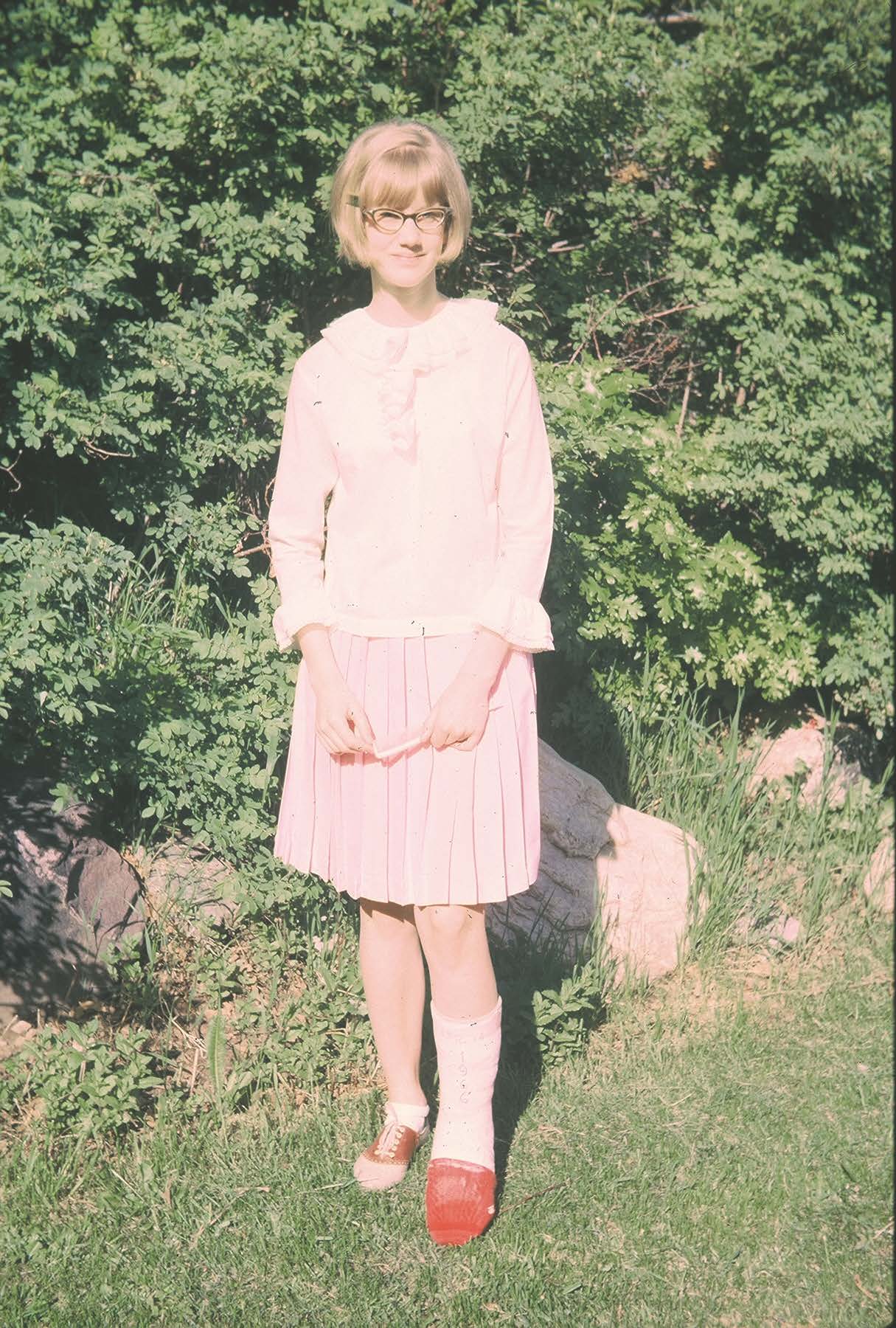


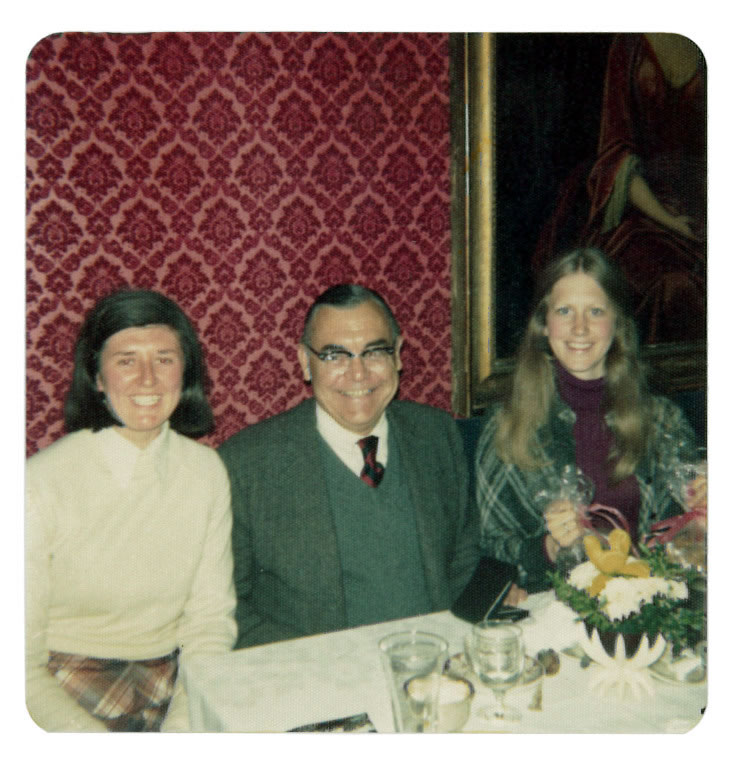

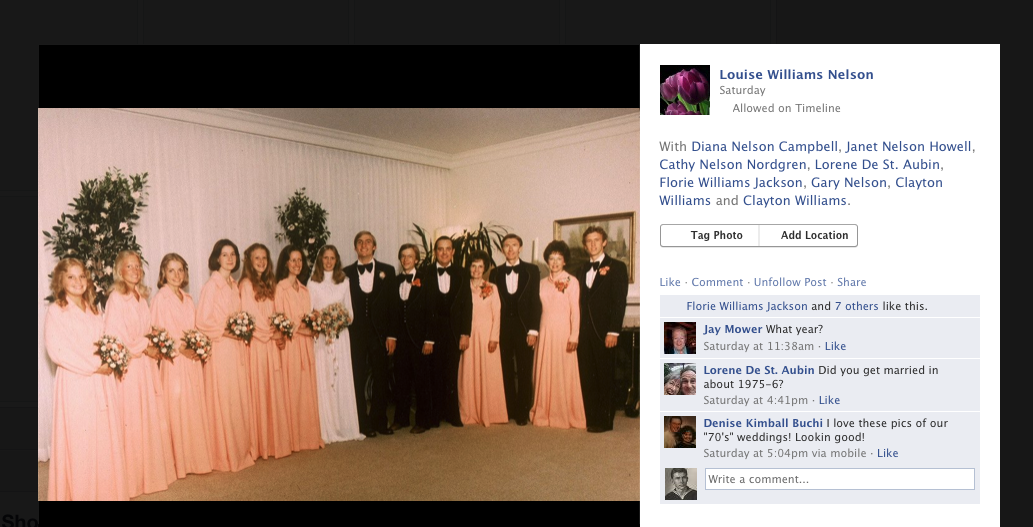
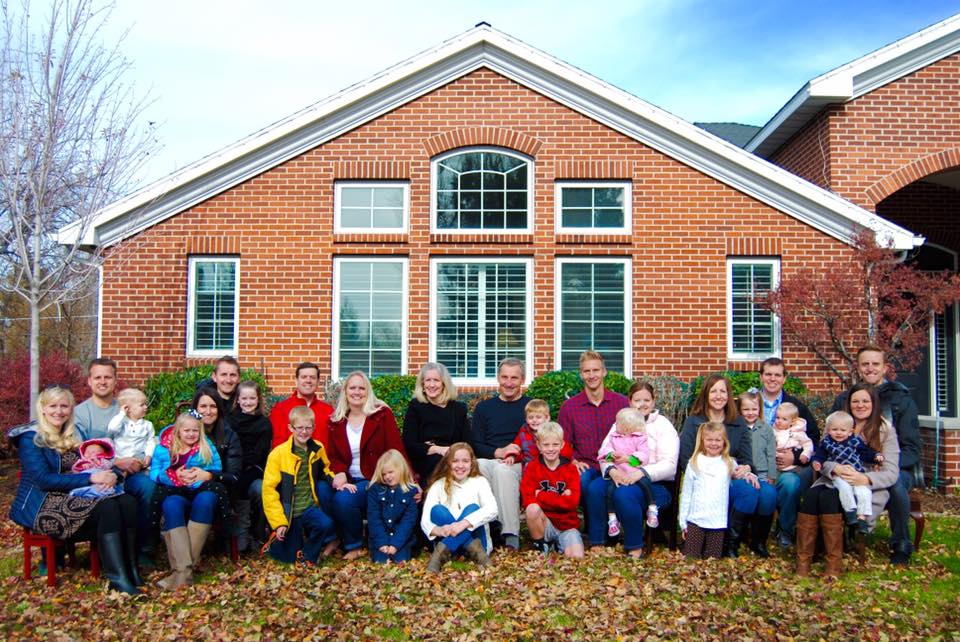
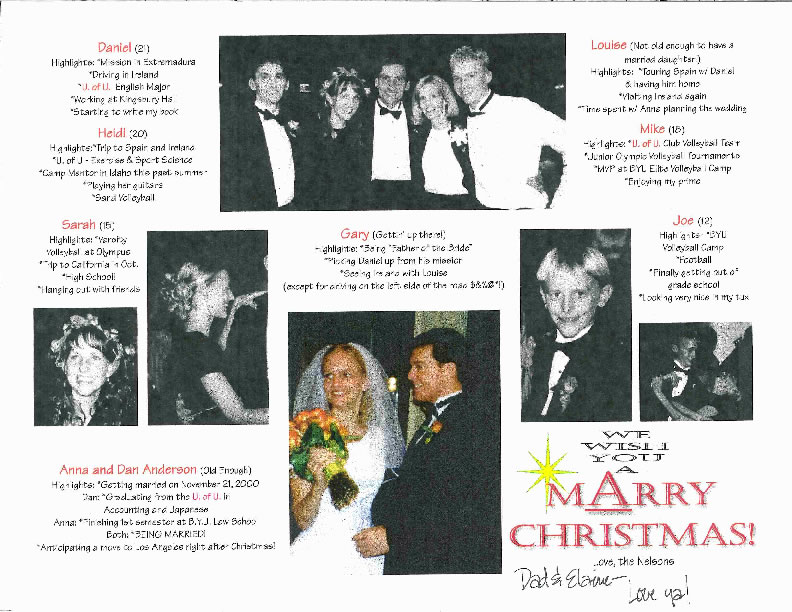





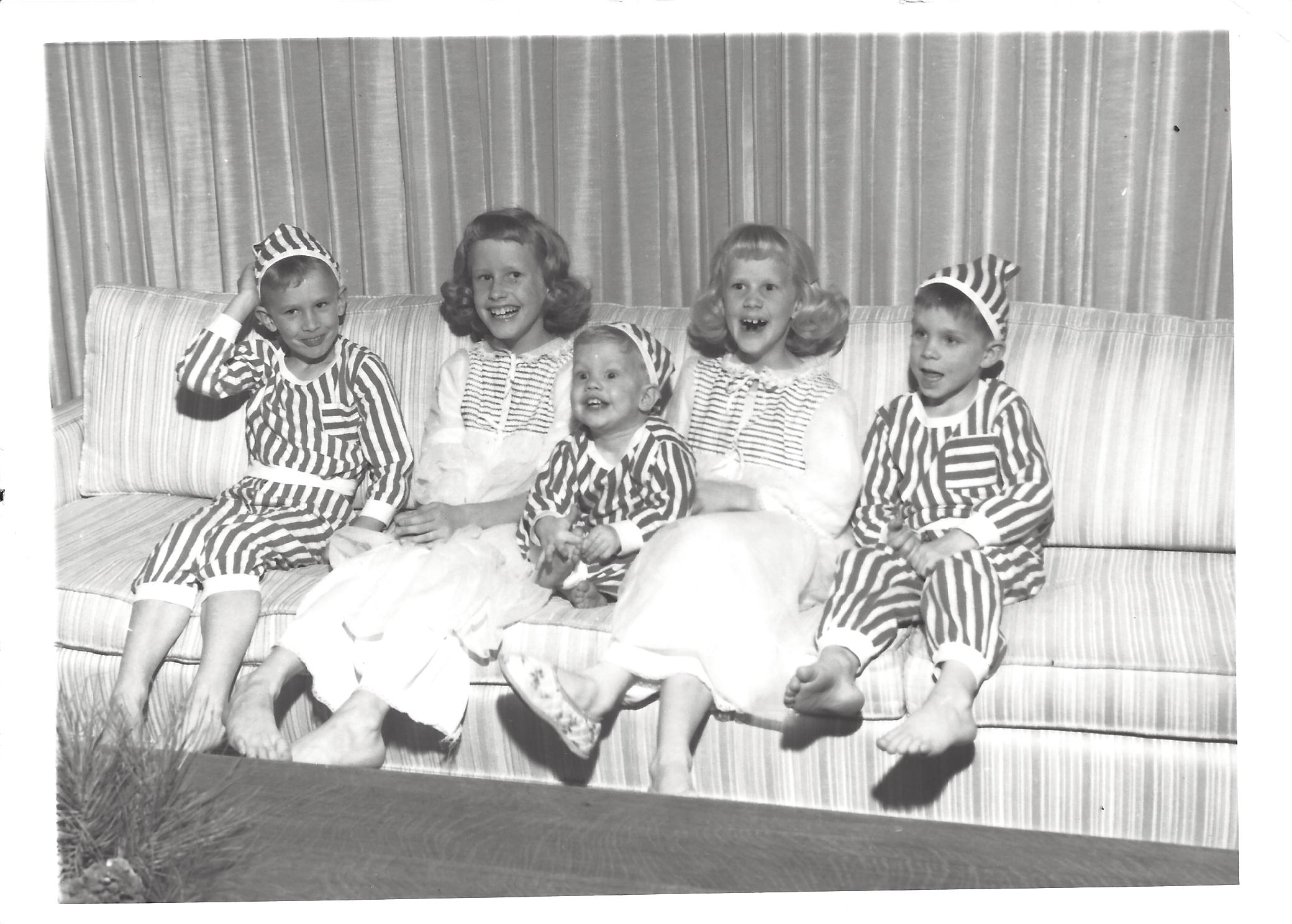
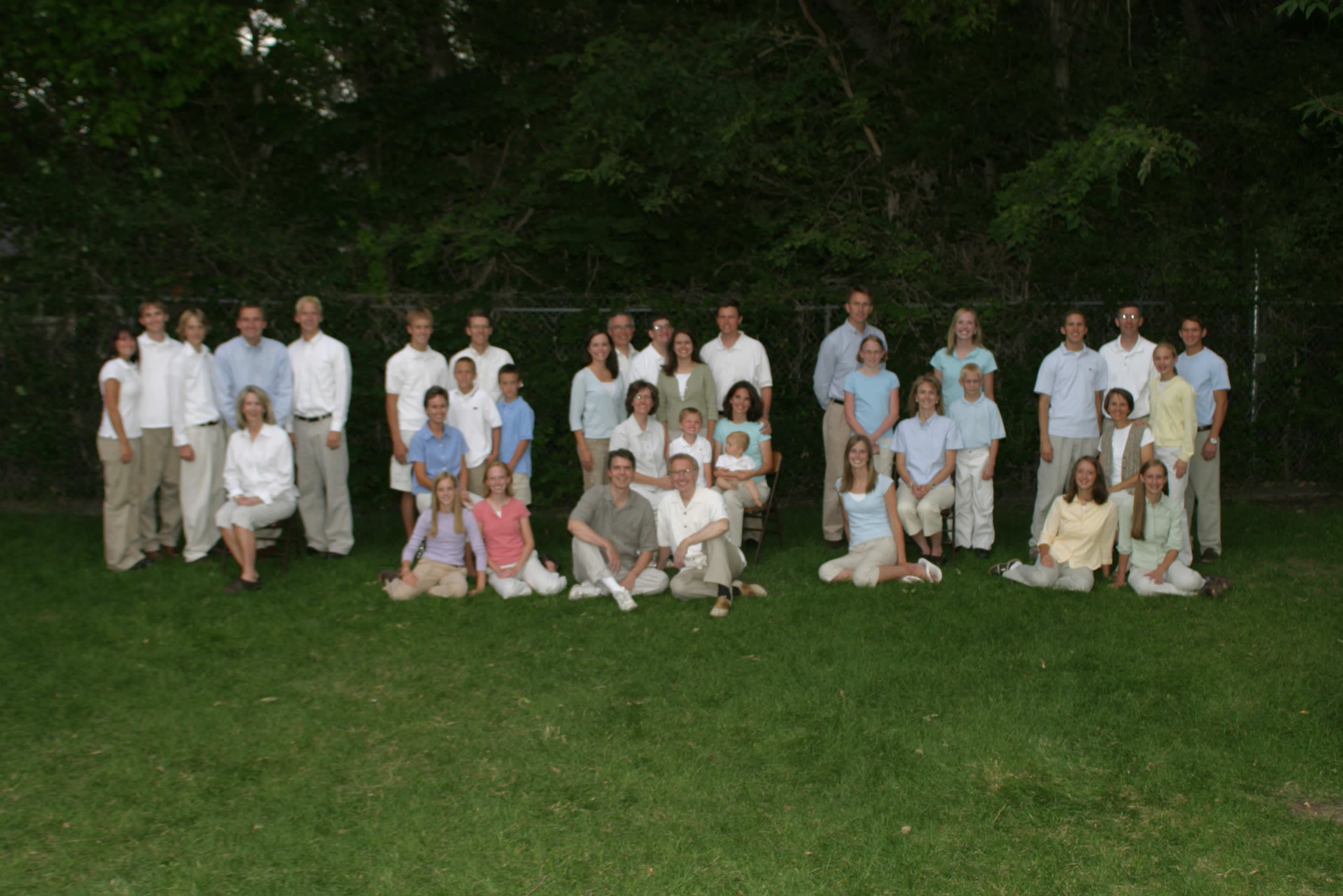
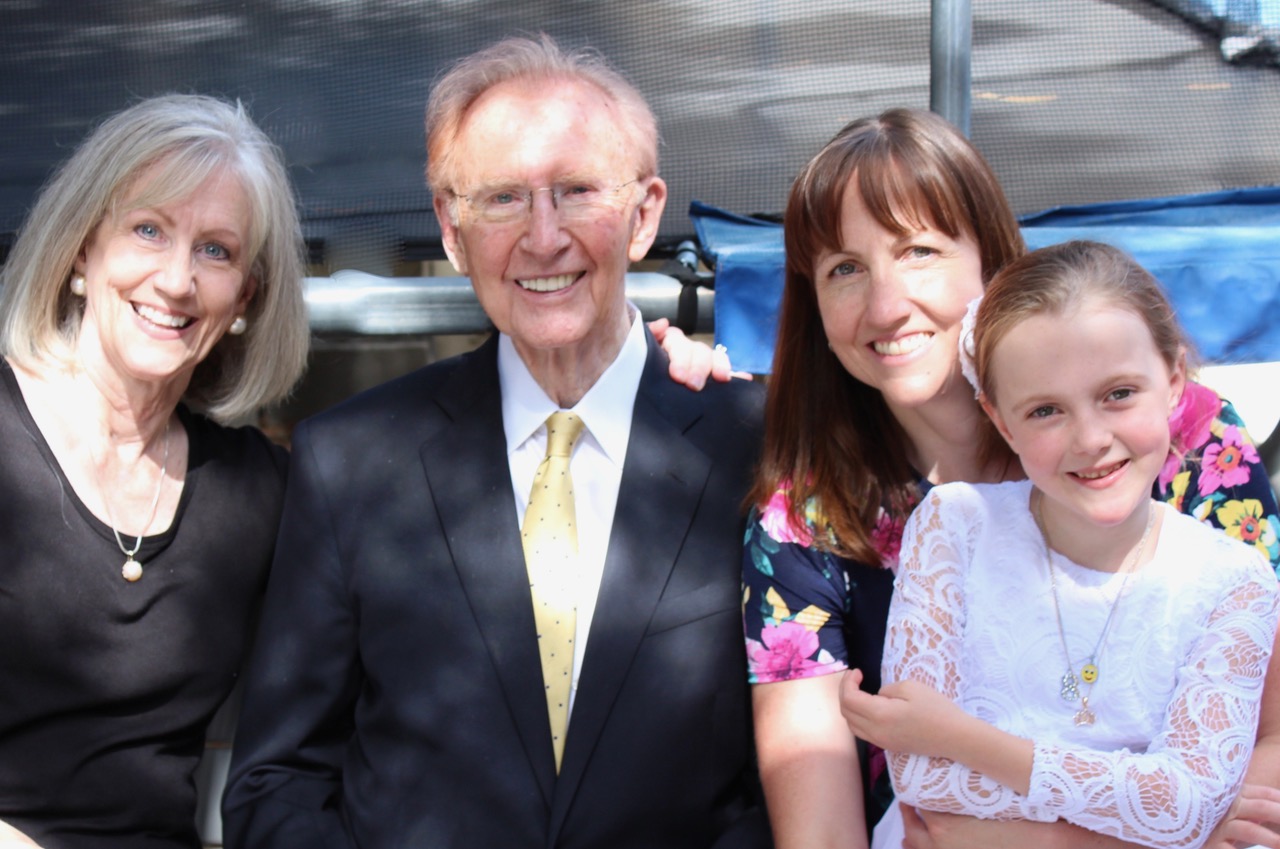


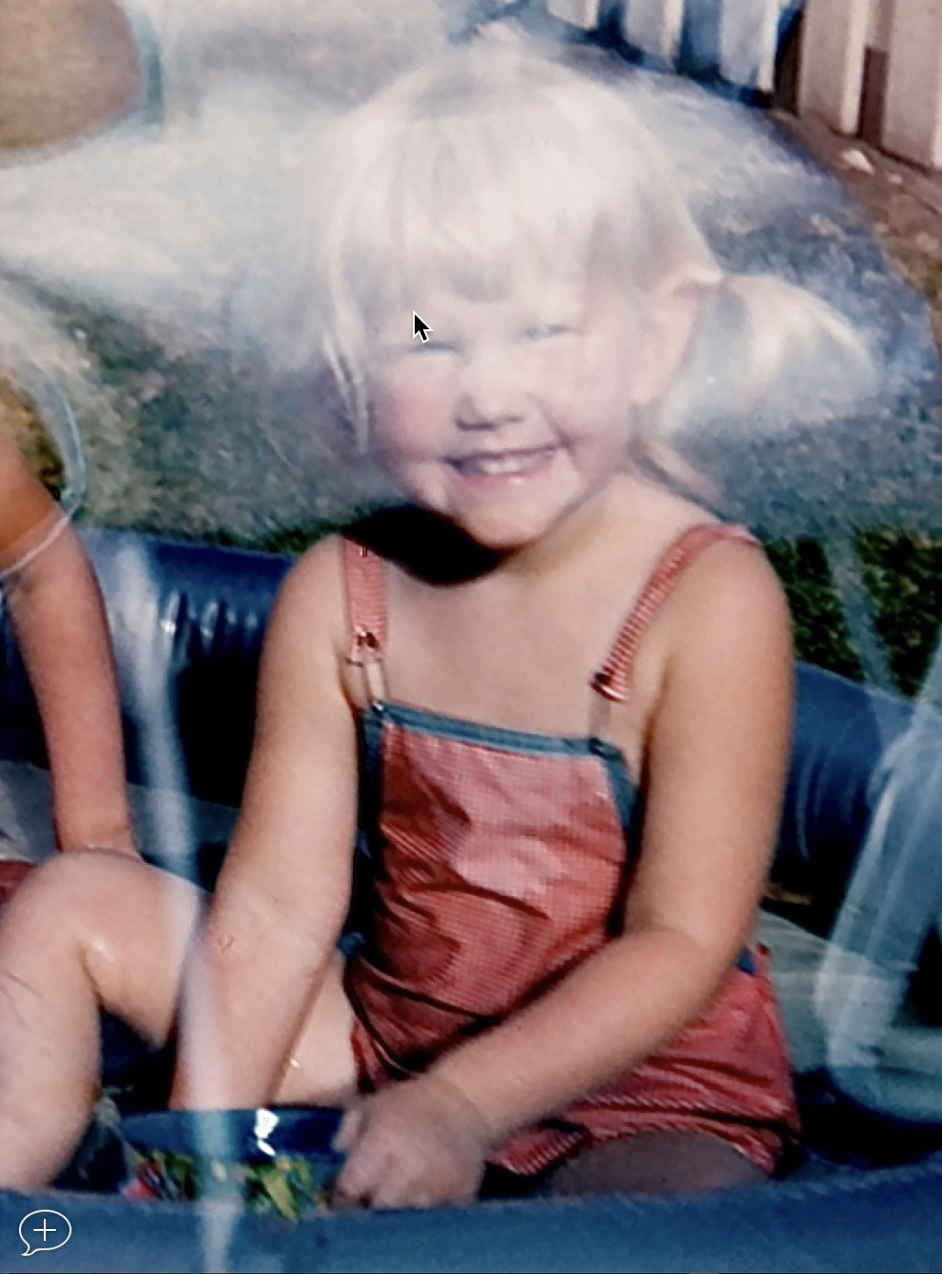




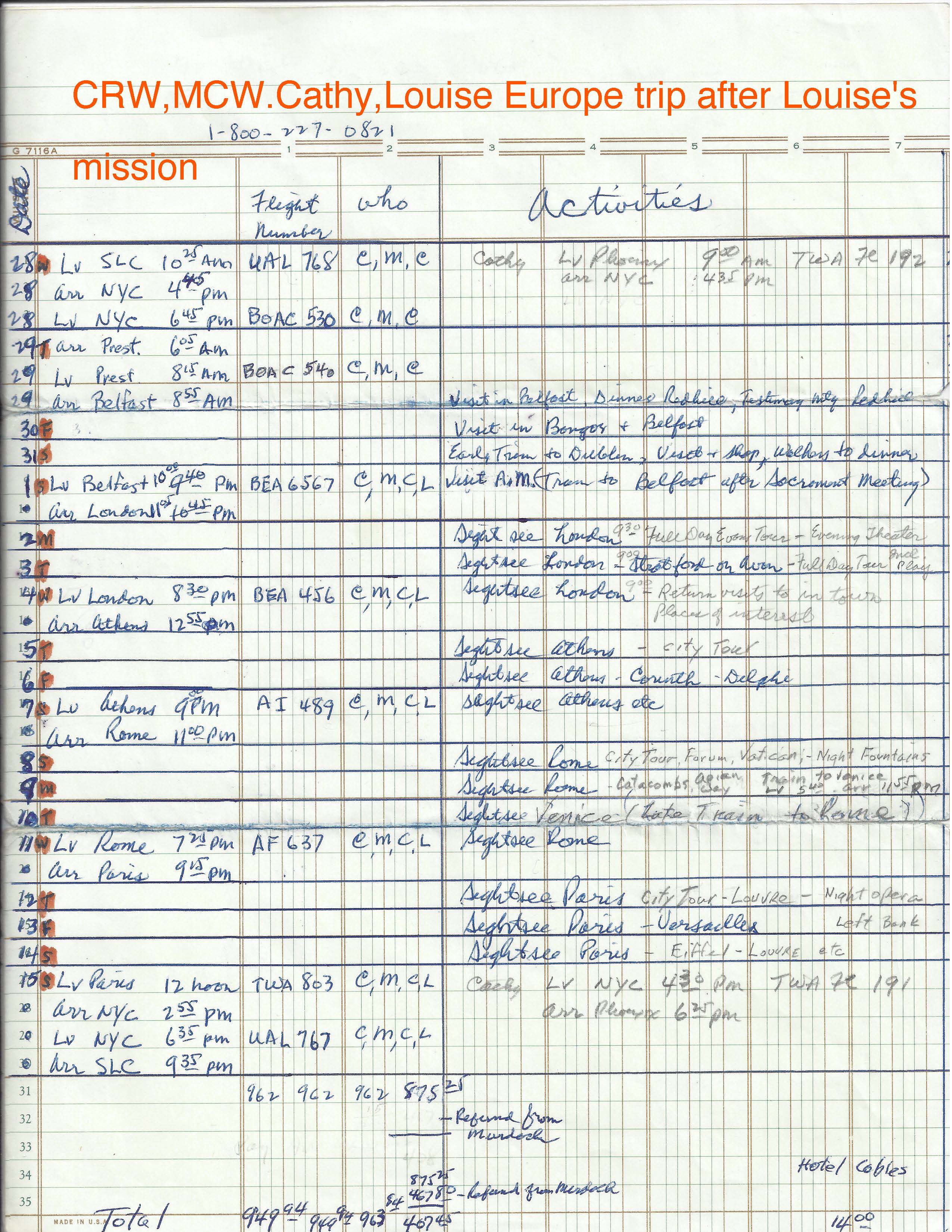


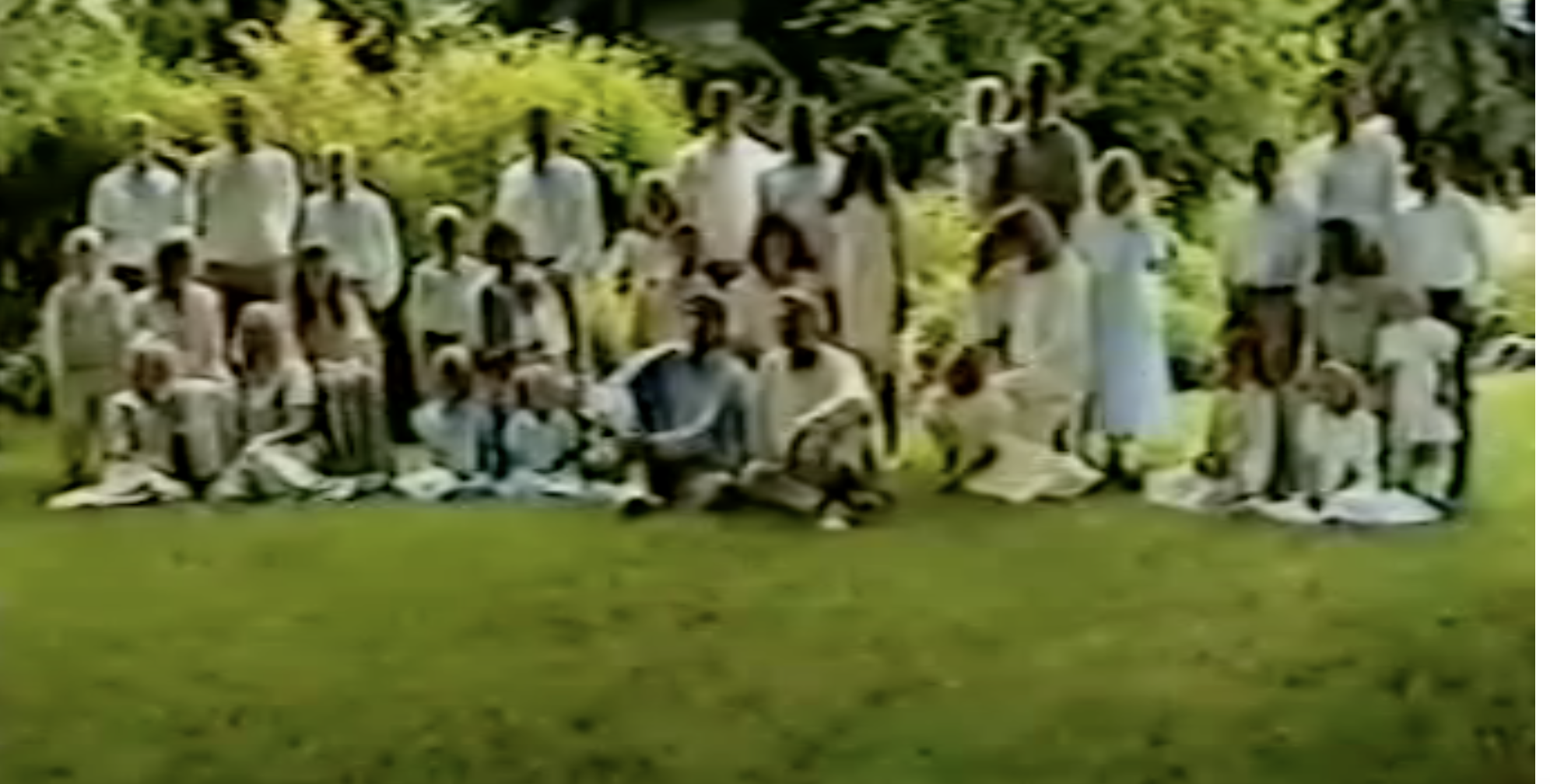


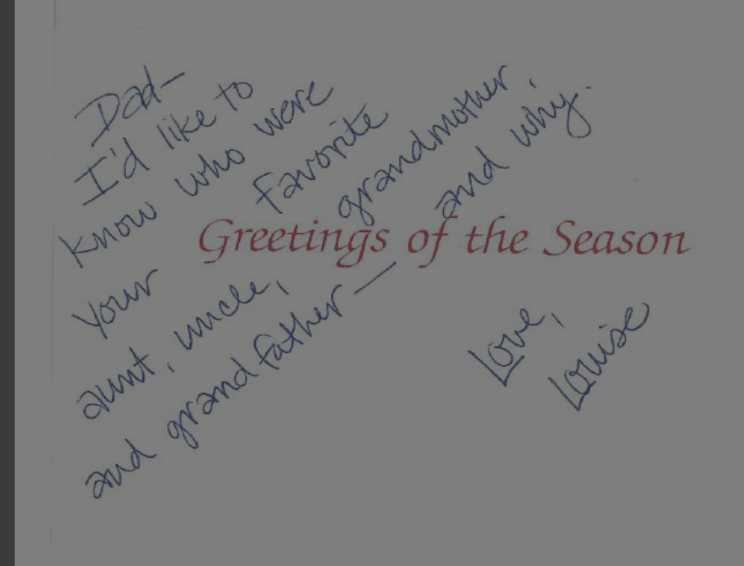


Significant Documents:

1952 more highlights:
CRW bought first house at 1538 Glen Arbor Street in Salt Lake City, Utah from Frank Richards (Realtor) for a price of $17,000, paid $7000 cash from my savings and borrowed $10,000 from my father, Gilbert W. Williams at an agreed interest rate of 4%. The $10,000 loan was payable in monthly checks until the principal and interest was paid off.
Clare Hardy Dies
Buy house on Glenn Arbor
Louise Born
Edge Hill Ward
Maids
World Events in 1952
Beside’s Louise’s Birth, here’s what happened worldwide in 1952:
1952 (MCMLII) was a leap year starting on Tuesday of the Gregorian calendar, the 1952nd year of the Common Era (CE) and Anno Domini (AD) designations, the 952nd year of the 2nd millennium, the 52nd year of the 20th century, and the 3rd year of the 1950s decade.
Events
January
- January 8 – West Germany has 8 million refugees inside its borders.
- January 12 – The University of Tennessee admits its first African-American student.
- January 26 – Black Saturday in Egypt: Rioters burn Cairo‘s central business district, targeting British and upper-class Egyptian businesses.
February
- February 2 – A tropical storm forms just north of Cuba, moving northeast. The storm makes landfall in southern Florida the next day (the earliest reported landfall from a tropical storm).
- February 6
- George VI (King of the United Kingdom and the Dominions: Canada, Australia, New Zealand, South Africa, Pakistan and Ceylon) dies aged 56, after a long illness. He is succeeded by his daughter Princess Elizabeth, Duchess of Edinburgh as Queen Elizabeth II, who is on a visit to Kenya.
- In the United States, a mechanical heart is used for the first time in a human patient.
- February 7 – Elizabeth II is proclaimed Queen of the United Kingdom at St James’s Palace, London, England.
- February 14 – February 25 – The Winter Olympics are held in Oslo, Norway.
- February 15 – The funeral of George VI takes place at St George’s Chapel, Windsor Castle.
- February 18 – Greece and Turkey join the North Atlantic Treaty Organization.
- The SS Pendleton, a T2 tanker, breaks in half during a nor’easter off the east coast near Massachusetts. Bernard Webber and a crew of four volunteer to rescue 32 of the 41 men aboard.
- February 20
- Emmett Ashford becomes the first African-American umpire in organized baseball, by being authorized to be a substitute umpire in the Southwestern International League.
- Winston Churchill scraps UK compulsory national identity cards.
- February 21 – In Dhaka, East Pakistan (present-day Bangladesh) police open fire on a procession of students, killing 4 people and starting a country-wide protest, which leads to the recognition of Bengali as one of the national languages of Pakistan. The day is later declared “International Mother Language Day” by UNESCO.
- February 25 – The Parícutin active volcano in Michoacán, west central Mexico, ceases its discontinuous eruption after spewing forth a gigaton of lava, and burying San Juan Parangaricutiro.
- February 26
- United Kingdom Prime Minister Winston Churchill announces that the United Kingdom has an atomic bomb.
- Vincent Massey is sworn in, as the first Canadian-born Governor General of Canada.
March
- March 7 – NME goes on sale for the first time in the United Kingdom.
- March 10 – General Fulgencio Batista re-takes power in Cuba in a coup.
- March 15 – 16 – 73 inches (1,870 mm) of rain falls in Cilaos, Réunion, the most rainfall in one day up to that time.
- March 20 – The United States Senate ratifies a peace treaty with Japan.
- March 21
- The last two executions in the Netherlands take place.
- Dr. Kwame Nkrumah is elected Prime Minister of the Gold Coast.
- Tornadoes ravage the lower Mississippi River Valley, leaving 208 dead, through March 22.
- March 22 – Wernher von Braun publishes the first in his series of articles titled Man Will Conquer Space Soon!, including ideas for manned flights to Mars and the Moon.
- March 27
- Konrad Adenauer survives an assassination attempt.
- A legislative Assembly election is held in Coorg.
- March 29 – U.S. President Harry S. Truman announces that he will not seek reelection.
April
- April 4
- In the Hague Tribunal, Israel demands reparations worth $3 billion from Germany.
- West Ice accidents: During a severe storm in the West Ice, east of Greenland, 78 seal hunters on 5 Norwegian seal hunting vessels vanish without a trace.
- April 7 – The American Research Bureau reports that the I Love Lucy episode, “The Marriage License”, was the first TV show in history to be seen in around 10,000,000 homes, the evening the episode aired.
- April 8 – Youngstown Sheet & Tube Co. v. Sawyer: The U.S. Supreme Court limits the power of the President to seize private business, after President Harry S. Truman nationalizes all steel mills in the United States, just before the 1952 steel strike begins.
- April 9 – Hugo Ballivián‘s government is overthrown by the Bolivian National Revolution, which starts a period of agrarian reform, universal suffrage and the nationalization of tin mines.
- April 11 – Battle of Nanri Island: The Republic of China seizes the island from the People’s Republic of China.
- April 15 – The United States B-52 Stratofortress flies for the first time.
- April 18
- Bolivia National Revolution: A universal vote enables indigenous peoples and women to vote, nationalizes mines and enacts agrarian reform.
- West Germany and Japan form diplomatic relations.
- April 26 – United States Navy aircraft carrier Wasp collides with destroyer Hobson while on exercises in the Atlantic Ocean, killing 175 men.
- April 28 – The Treaty of San Francisco goes into effect, formally ending the war between Japan and the Allies, and simultaneously ending the occupation of the four main Japanese islands by the Supreme Commander for the Allied Powers.
- April 29 – Lever House officially opens at 390 Park Avenue in New York City, heralding a new age of commercial architecture in the United States. Designed by Gordon Bunshaft of Skidmore, Owings & Merrill, it is the first International Style skyscraper.
May
- May 1 – East Germany threatens to form its own army.
- May 2 – The first passenger jet flight route opens between London and Johannesburg.
- May 3 – U.S. lieutenant colonels Joseph O. Fletcher and William P. Benedict land a plane at the geographic North Pole.
- May 6 – Farouk of Egypt has himself announced as a descendant of the Islamic prophet, Muhammad.
- May 13 – Pandit Nehru forms his first government in India.
- May 15 – Diplomatic relations are established between Israel and Japan at the level of legations.
- May 18 – Ann Davison becomes the first woman to single-handedly sail the Atlantic Ocean.
June
- June 1
- The Roman Catholic Church bans the books of André Gide.
- Navigation opens on the Volga–Don Canal, connecting the Caspian Sea basin with that of the Black Sea.
- June 13 – “Catalina affair“: Soviet MiG-15 fighter planes shoot down a Swedish military Douglas C-47 Skytrain, carrying out signals intelligence gathering operations over the Baltic Sea, killing all 8 crew; three days later they shoot down a Catalina flying boat, searching for possible survivors.
- June 14
- The keel is laid for the U.S. nuclear submarine USS Nautilus.
- Myxomatosis is introduced to Europe, on the French estate of Dr. Paul-Félix Armand-Delille.
- June 15 – Anne Frank‘s The Diary of a Young Girl is published in English-language translation.
- June 19 – The Special Forces (United States Army) are created.
- June 21 – The Philippine School of Commerce, through a government act, is converted to the Philippine College of Commerce (later the Polytechnic University of the Philippines).
- June 26 – The Pan-Malayan Labour Party is founded in Malaya, as a union of statewide labour parties.
- June 27 – Decree 900 in Guatemala orders the redistribution of uncultivated land.
- June 28 – The First Miss Universe was held. Armi Kuusela from Finland wins the title of Miss Universe 1952.
July

France, West Germany, Italy, Belgium, Luxembourg and the Netherlands form the European Coal and Steel community, the foundation organization which would become the European Union.
- July 3 – The ocean liner SS United States makes her maiden crossing of the Atlantic.
- July 13 – East Germany announces the formation of its National People’s Army.
- July 19 – August 3 – The 1952 Summer Olympics are held in Helsinki, Finland.
- July 21 – The 7.3 Mw Kern County earthquake strikes California’s southern Central Valley with a maximum Mercalli intensity of XI (Extreme), killing 12 and injuring hundreds.
- July 23
- The European Coal and Steel Community is established.
- General Mohammed Naguib leads The Free Officers (formed by Gamal Abdel Nasser – the real power behind the coup) in the overthrow of King Farouk of Egypt.
- July 25 – Puerto Rico becomes a self-governing commonwealth of the United States.
August
- August 5 – The Treaty of Taipei between Japan and the Republic of China goes into effect, to officially end the Second Sino-Japanese War.
- August 11 – The Jordanian Parliament forces King Talal of Jordan to abdicate due to mental illness; he is succeeded by his son King Hussein.
- August 12 – Night of the Murdered Poets: 13 Soviet Jewish poets are executed.
- August 13 – Japan joins the IMF.
- August 14 – West Germany joins the IMF and the World Bank.
- August 16 – Lynmouth, North Devon, England is devastated by floods; 34 die.
- August 22 – The most damaging shock of the 1952 Kern County earthquake sequence strikes with a moment magnitude of 5.8, and a maximum Mercalli intensity of VIII (Severe). This event damages several hundred buildings in Bakersfield, California, with total additional losses of $10 million, with two associated deaths and some injuries.
- August 23 – Kitty Wells is the first woman to score a number 1 hit, with the song “It wasn’t God Who Made Honky Tonk Angels”.
- August 26 – A British passenger jet makes a return crossing of the Atlantic Ocean in the same day.
- August 27 – Reparation negotiations between West Germany and Israel end in Luxembourg: Germany will pay 3 billion Deutsche Marks.
- August 29 – Composer John Cage‘s 4′33″, during which the performer does not play, premieres in Woodstock, New York.
- August 30 – The last Finnish war reparations are sent to the Soviet Union.
- August 31 – The Grenzlandring racetrack closes in Wegberg, Germany.
September
- September 2 – Dr. C. Walton Lillehei and Dr. F. John Lewis perform the first open-heart surgery, at the University of Minnesota.
- September 6 – Television debuts in Canada, as the CBC in Montreal, Quebec airs.
- September 8 – CBC Toronto debuts.
- September 10 – The European Parliamentary Assembly (from March 1962, the European Parliament) opens.
- September 15 – The United Nations cedes Eritrea to Ethiopia.
- September 18 – The Soviet Union vetoes Japan’s application for membership in the United Nations.
- September 19 – The United States bars Charlie Chaplin from re-entering the country, after a trip to England.
- September 30 – The Revised Standard Version of the Bible is published.
October
- October 3 – The first British nuclear weapon is detonated in Australia, making the United Kingdom the third nuclear weapons state.
- October 8
- Negotiations for a ceasefire in Korea are postponed.
- The Harrow and Wealdstone rail crash in England kills 112 people.
- October 12 – The Gamma Sigma Sigma National Service Sorority is founded in New York City, at Panhellenic Tower.
- October 14 – The United Nations begins work in the new United Nations building in New York City, designed by Le Corbusier and Oscar Niemeyer.
- October 16 – Limelight opens in London; writer/actor/director/producer Charlie Chaplin arrives by ocean liner; in transit, his re-entry permit to the United States is revoked by J. Edgar Hoover.
- October 17 – Indonesian troops led by General Nasution surround the presidential palace, seeking the dismissal of the People’s Representative Council; Sukarno avoids confrontation.
- October 19
- Alain Bombard begins to sail from the Canary Islands to Barbados in 65 days; he reaches them December 23.
- John Bamford, aged 15, rescues victims of a house fire, and becomes the youngest person to be awarded the George Cross.
- October 20 – Martial law is declared in Kenya, due to the Mau Mau uprising.
November
- November 1 – Nuclear testing and Operation Ivy: The United States successfully detonates the first hydrogen bomb, codenamed “Mike”, at Eniwetok Atoll in the Marshall Islands in the central Pacific Ocean, with a yield of 10.4 megatons.

The explosion of the first hydrogen bomb.
- November 4
- The 9.0 Mw Severo-Kurilsk earthquake hits the Kamchatka Peninsula of the Soviet Union with a maximum Mercalli intensity of XI (Extreme). A tsunami took the lives of more than 2,300 people.
- 1952 United States presidential election: Republican General Dwight D. Eisenhower defeats Democratic Governor of Illinois Adlai Stevenson (correctly predicted by the UNIVAC computer).
- The U.S. National Security Agency is founded.
- Pace-Finletter MOU 1952: A Memorandum of understanding is signed between “…Air Force Secretary Finletter and Army Secretary Pace that established a fixed wing weight limit [for the Army] of five thousand pounds empty, but weight restrictions on helicopters were eliminated…”[1]
- November 18 – Jomo Kenyatta is arrested in Kenya, for an alleged connection to the Mau Mau Uprising.
- November 20
- The first official passenger flight over the North Pole is made, from Los Angeles to Copenhagen.
- The first successful sex reassignment surgery is performed in Copenhagen, making George Jorgensen Jr. become Christine Jorgensen.
- November 25 – Agatha Christie‘s murder-mystery play The Mousetrap opens at the Ambassadors Theatre in London; as of 2019, it continues next door at the St. Martin’s Theatre, and remains the longest continuously running production of a play in history.
- November 29 – Korean War: U.S. President-elect Dwight D. Eisenhower fulfills a political campaign promise, by traveling to Korea to find out what can be done to end the conflict.
December
- December 1
- Adolfo Ruiz Cortines takes office as President of Mexico.
- The New York Daily News carries a front-page story announcing that Christine Jorgensen, a transsexual woman in Denmark, has become the recipient of the first successful sexual reassignment operation.
- December 4 – The Great Smog of London: A severe air-pollution event.
- December 14 – The first successful surgical separation of Siamese twins is conducted in Mount Sinai Hospital, Cleveland, Ohio.
- December 20 – The crash of a U.S. Air Force C-124 Globemaster at Moses Lake, WA kills 86 servicemen.
- December 25 – One West German soldier is killed, in a shooting incident in West Berlin.
- December 26 – Joseph Ivor Linton, the first Israeli Minister Plenipotentiary in Japan, presents his credentials to the Emperor of Japan.
Date unknown
- Nearly 58,000 cases of polio are reported in the U.S.; 3,145 die, and 21,269 are left with mild to disabling paralysis.[2]
- The Nordic Council agrees to the unrestricted transport of people, goods and services throughout the Nordic Countries.
- The National Prohibition Foundation is incorporated in Indiana.
- Säynätsalo Town Hall in Finland, designed by Alvar Aalto, is completed.
- The influential multistory residential building, Unité d’Habitation in Marseille, France, designed by Le Corbusier, is completed.
- The American Embassy School of New Delhi is founded.
- Swedish paratrooper training school Fallskärmsjägarna (FJS) is established.
- 13-year-old[3] Jimmy Boyd‘s record of I Saw Mommy Kissing Santa Claus is released, selling 3 million records.
- Capitol Wrestling Corporation, the professional wrestling promotion that will later evolve into the modern day WWE, is founded by Jess McMahon and Toots Mondt.
- During the Mau Mau Uprising, the poisonous latex of the African milk bush is used to kill cattle, in an incident of Biological warfare.[4]
–Wikipedia: https://en.wikipedia.org/wiki/1952
Events in only the USA in 1952
Besides Louise’s birth, this is what was happening in the USA:
Federal Government
- President: Harry S. Truman (D–Missouri)
- Vice President: Alben W. Barkley (D–Kentucky)
- Chief Justice: Fred M. Vinson (Kentucky)
- Speaker of the House of Representatives: Sam Rayburn (D–Texas)
- Senate Majority Leader: Ernest McFarland (D–Arizona)
- Congress: 82nd
January
Events
- January 14 – The Today Show premieres on NBC, becoming one of the longest-running television series in America.
- January 20 – Stanley Eisen is born in New York City. Co-founder of the rock band KISS and changed his name to Paul Stanley.
February
- February 2 – A tropical storm forms just north of Cuba moving northeast. The storm makes landfall in southern Florida the next day. It is the earliest reported landfall from a tropical storm, and the earliest formation of a tropical storm on record in the Atlantic basin.
- February 6 – In the United States, a mechanical heart is used for the first time in a human patient.
- February 20 – Emmett Ashford becomes the first African-American umpire in organized baseball, by being authorized to be a substitute umpire in the Southwestern International League.
March
- March 20 – The United States Senate ratifies a peace treaty with Japan.
- March 21 – Tornadoes ravage the lower Mississippi River Valley, leaving 208 dead, through March 22.
- March 22 – Wernher von Braun publishes the first in his series of articles entitled Man Will Conquer Space Soon!, including ideas for manned flights to Mars and the Moon.
- March 29 – U.S. President Harry S. Truman announces that he will not seek reelection.
April
- April 8 – Youngstown Sheet & Tube Co. v. Sawyer: The U.S. Supreme Court limits the power of the President to seize private business, after President Harry S. Truman nationalizes all steel mills in the United States, just before the 1952 steel strike begins.
- April 15 – The United States B-52 Stratofortress flies for the first time.
- April 23 – A nuclear test is held in the Nevada desert.
- April 28 – The Treaty of San Francisco goes into effect, formally ending the occupation of Japan.
- April 29 – Lever House officially opens in New York City, heralding a new age of commercial architecture in the United States.
May
- May 3 – U.S. lieutenant colonels Joseph O. Fletcher and William P. Benedict land a plane at the geographic North Pole.
June
- June 14 – The keel is laid for the U.S. nuclear submarine USS Nautilus.
- June 19 – The United States Army Special Forces is created.
July
- July 19–26 – Washington D.C. UFO incident. Several alleged UFOs tracked on multiple radars. Jets scramble on several occasions and the objects take evasive action, only to return after the jets leave the area.
- July 21 – The 7.3 Mw Kern County earthquake strikes Southern California with a maximum Mercalli intensity of XI (Extreme), killing 12 and injuring hundreds.
- July 25 – Puerto Rico becomes a self-governing commonwealth of the United States.
August
- August 22 – A 5.8 Mw aftershock affects Bakersfield with a maximum Mercalli intensity of VIII (Severe), killing two and causing an additional $10 million in damage.
- August 29 – John Cage‘s 4′ 33″ premieres in Woodstock, New York.
September
November 1: Ivy Mike
- September 2 – Dr. C. Walton Lillehei and Dr. F. John Lewis perform the first open-heart surgery at the University of Minnesota.
- September 23 – Republican vice presidential candidate Richard Nixon gives his Checkers speech.
October
- October 12 – The Gamma Sigma Sigma National Service Sorority is founded in New York City at Panhellenic Tower.
- October 14 – The United Nations begins work in the new headquarters of the United Nations in New York City.
- October 16 – Limelight opens in London; writer/actor/director/producer Charlie Chaplin arrives by ocean liner; in transit his re-entry permit to the USA is revoked by J. Edgar Hoover.
- October 1 to 31 – With an average coast-to-coast precipitation of 0.54 inches or 13.7 millimetres,[1] this is easily the driest month over the contiguous United States since reliable records began in 1895[2] (The second-driest, November 1917, averaged as much as 0.95 inches or 24.1 millimetres.)
November

November 4: Eisenhower elected in a landslide
- November 1 – Nuclear testing: Operation Ivy: The United States successfully detonates the first hydrogen bomb, codenamed “Mike”, at Eniwetok Atoll in the Marshall Islands in the central Pacific Ocean, with a yield of 10.4 megatons.
- November 4
- 1952 United States presidential election: Republican President Dwight D. Eisenhower defeats Democratic Governor of Illinois Adlai Stevenson (correctly predicted by the UNIVAC computer).
- The U.S. National Security Agency is founded.
- November 20 – The first official passenger flight over the North Pole is made from Los Angeles to Copenhagen.
- November 29 – Korean War: U.S. President-elect Dwight D. Eisenhower fulfills a political campaign promise, by traveling to Korea to find out what can be done to end the conflict.
December
- December 1 – The New York Daily News carries a front-page story announcing that Christine Jorgensen, a transsexual woman in Denmark, has become the recipient of the first successful sexual reassignment operation.
- December 14 – The first successful surgical separation of Siamese twins is conducted in Mount Sinai Hospital, Cleveland, Ohio.
- December 20 – The crash of a U.S. Air Force C-124 Globemaster at Moses Lake, Washington kills 86 servicemen.
Undated
- Nearly 58,000 cases of polio are reported in the U.S.; 3,145 die and 21,269 are left with mild to disabling paralysis.[3]
- The National Prohibition Foundation is incorporated in Indiana.
Ongoing
- Cold War (1947–1991)
- Second Red Scare (1947–1957)
- Korean War (1950–1953)
–Wikipedia: https://en.wikipedia.org/wiki/1952_in_the_United_States