
1951
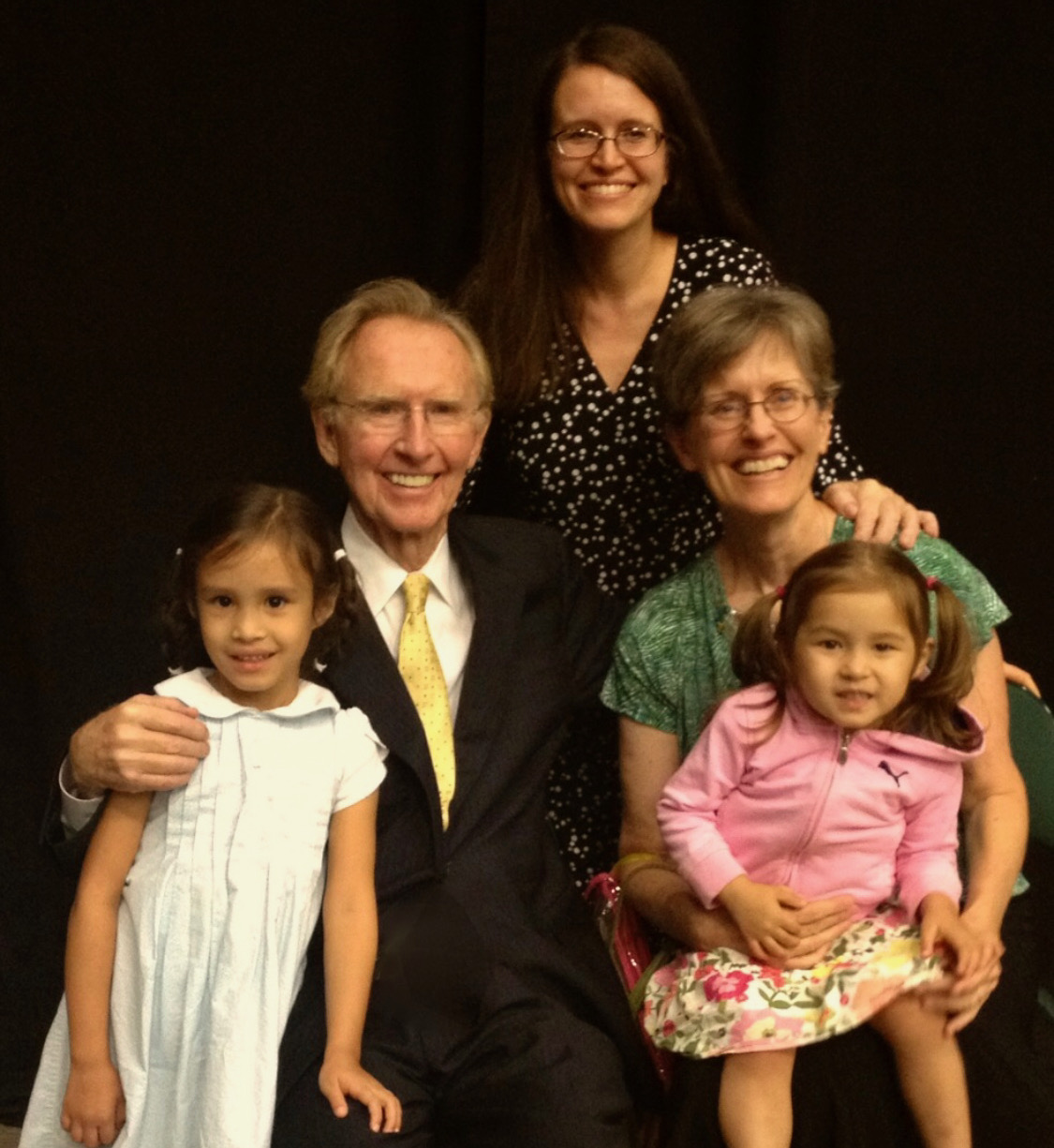
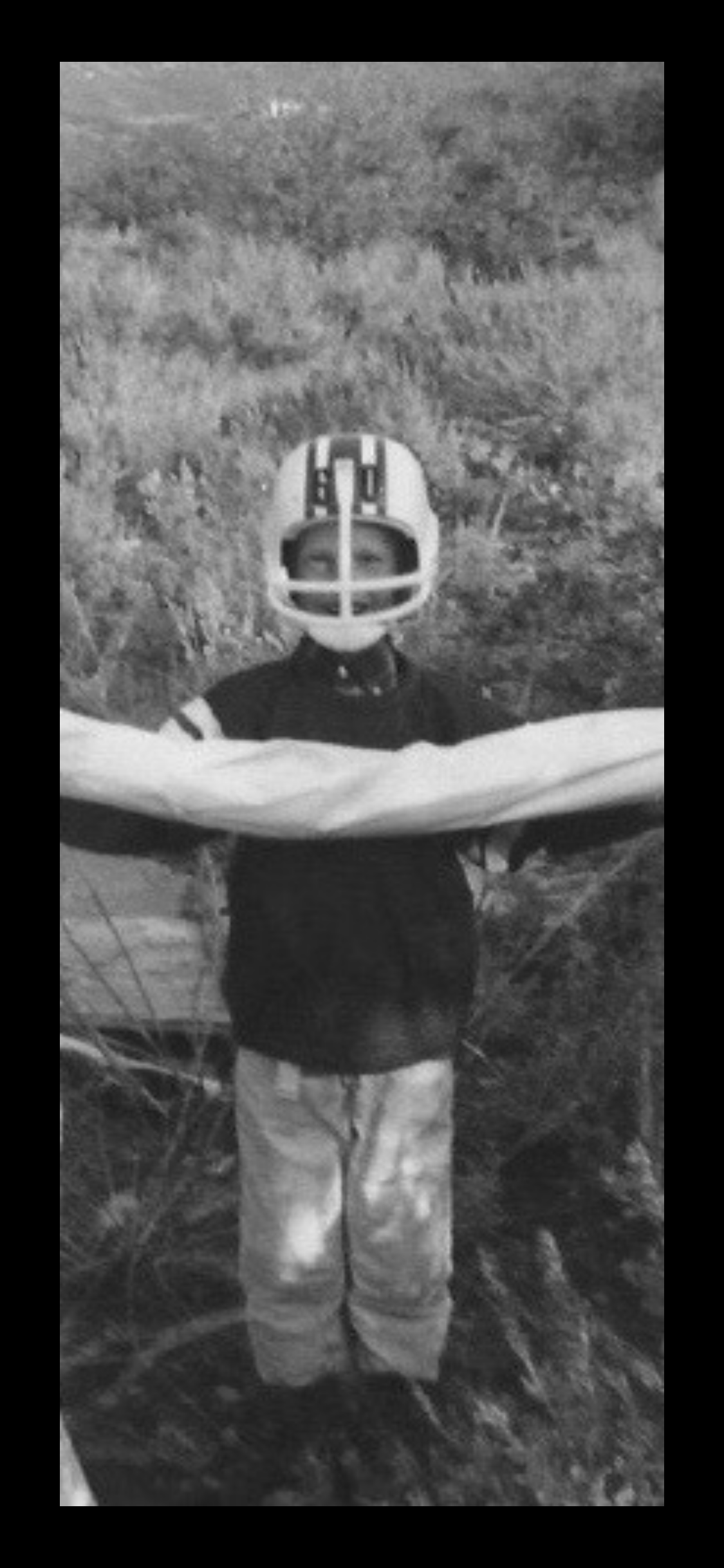
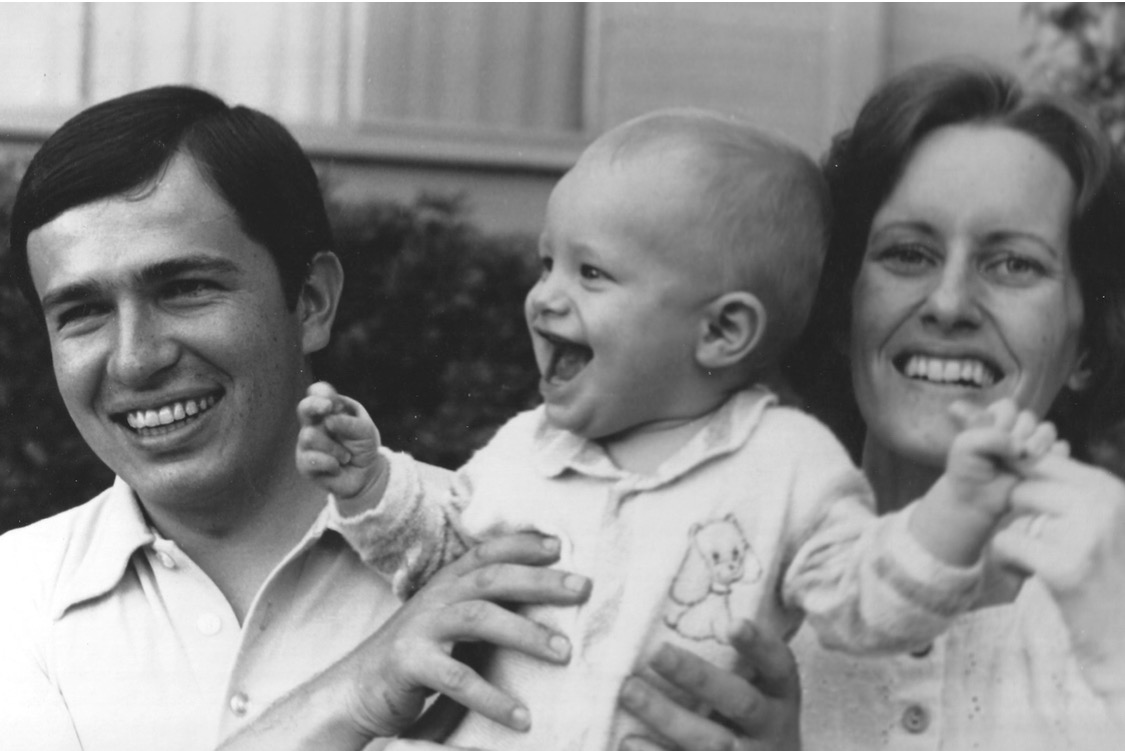
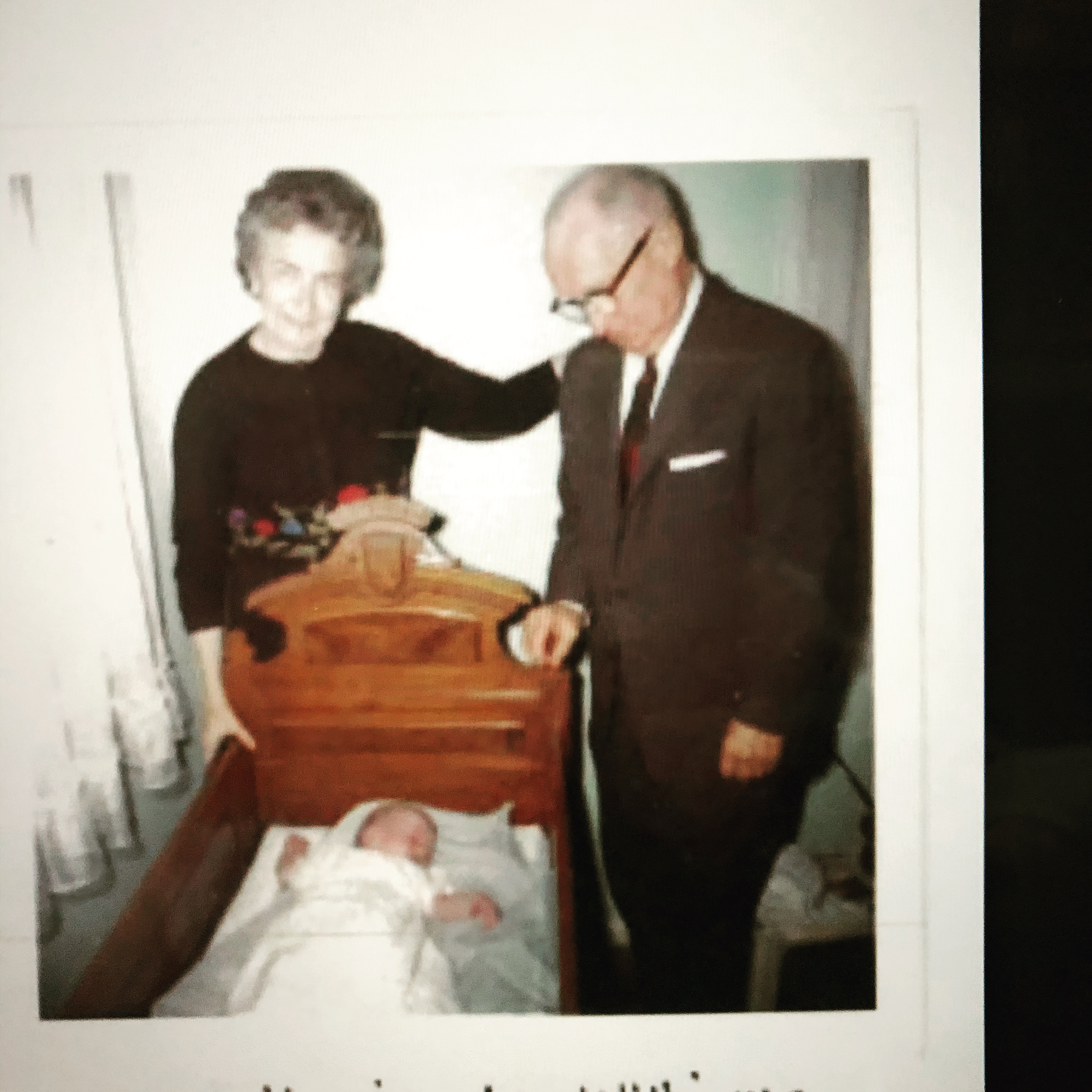
(Age 24-25)CRW TALKS ABOUT CATHERINE ANN WILLIAMS TAIT, HIS FIRSTBORN DAUGHTER AND WONDERFUL HUMAN BEING:
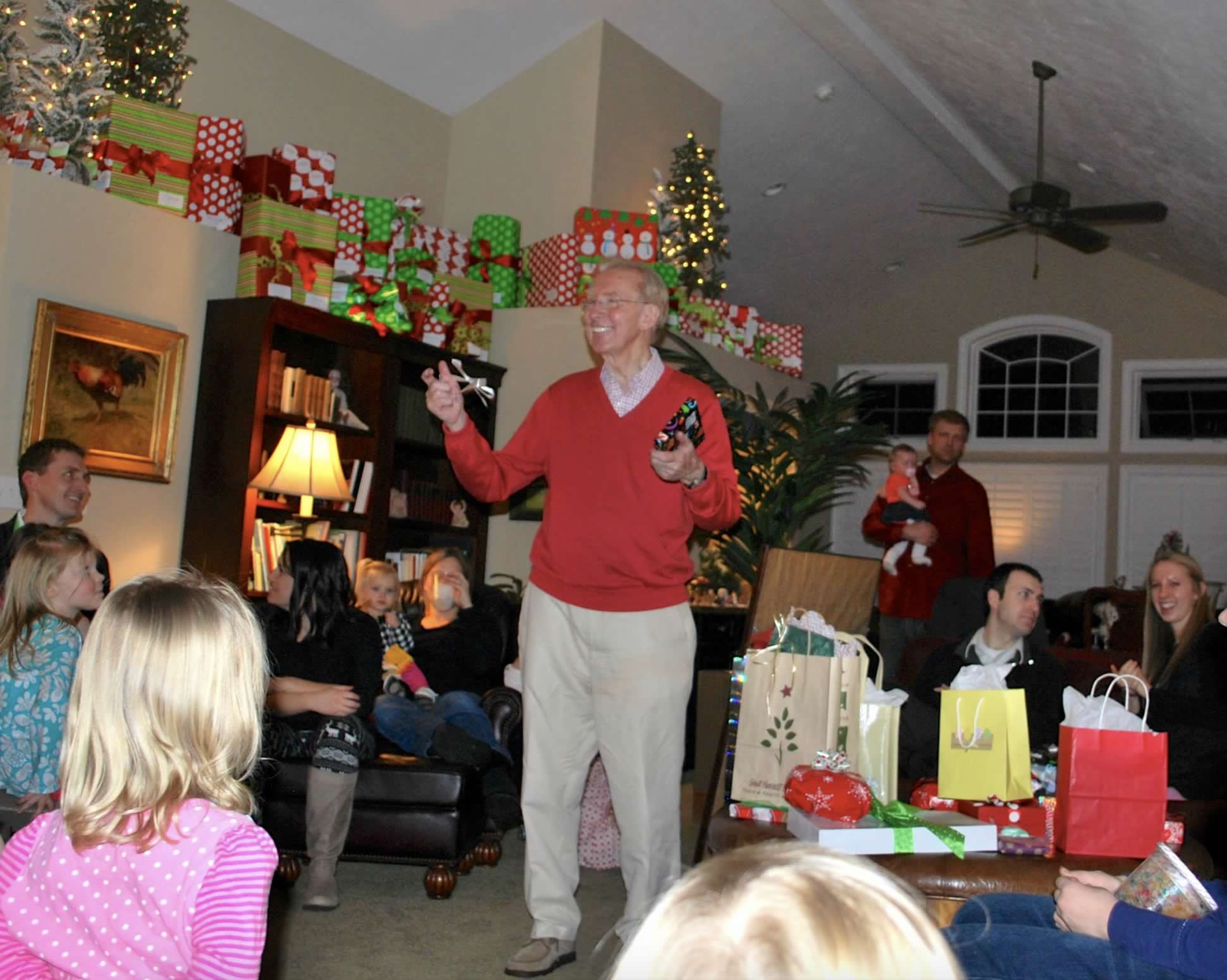
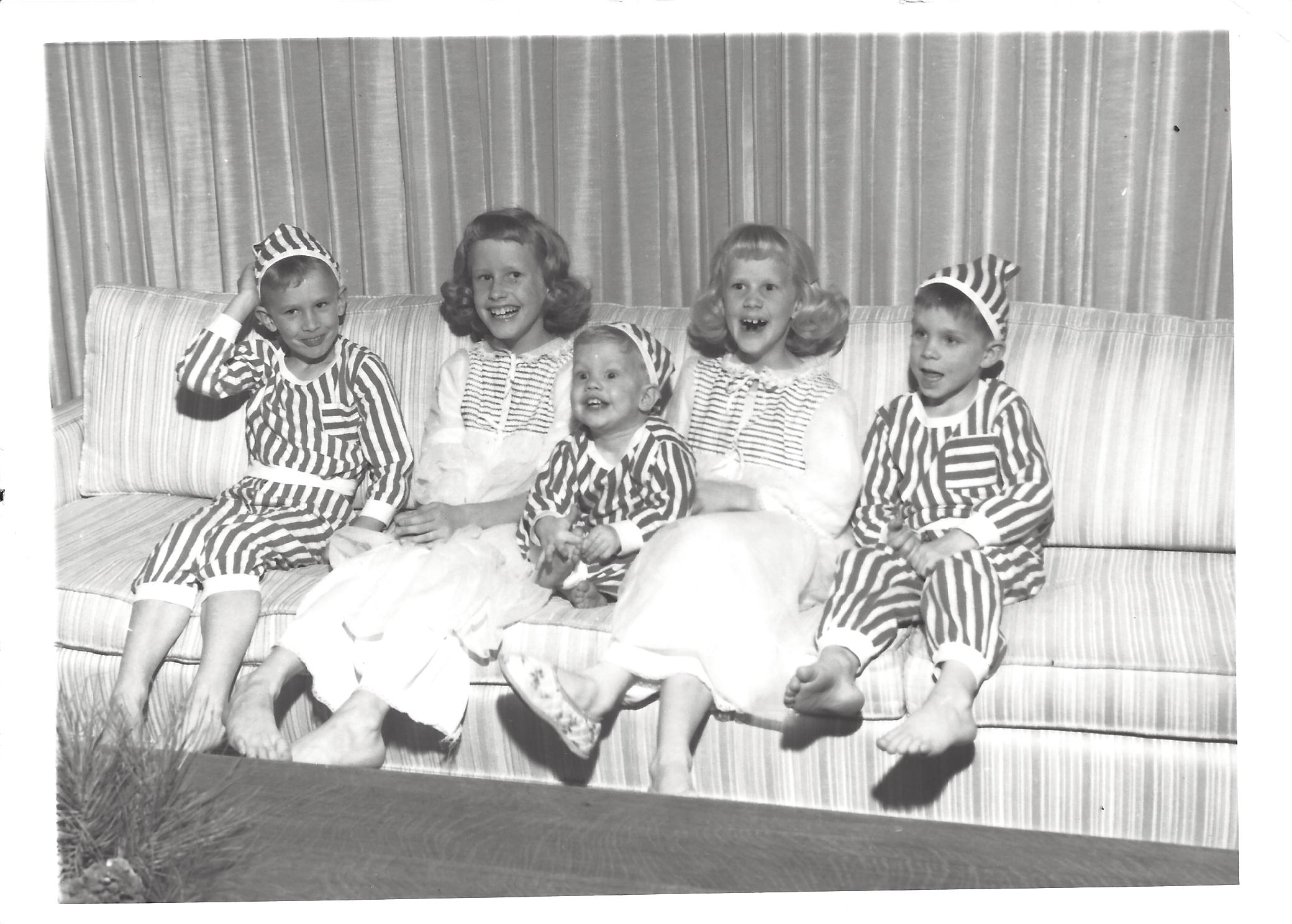
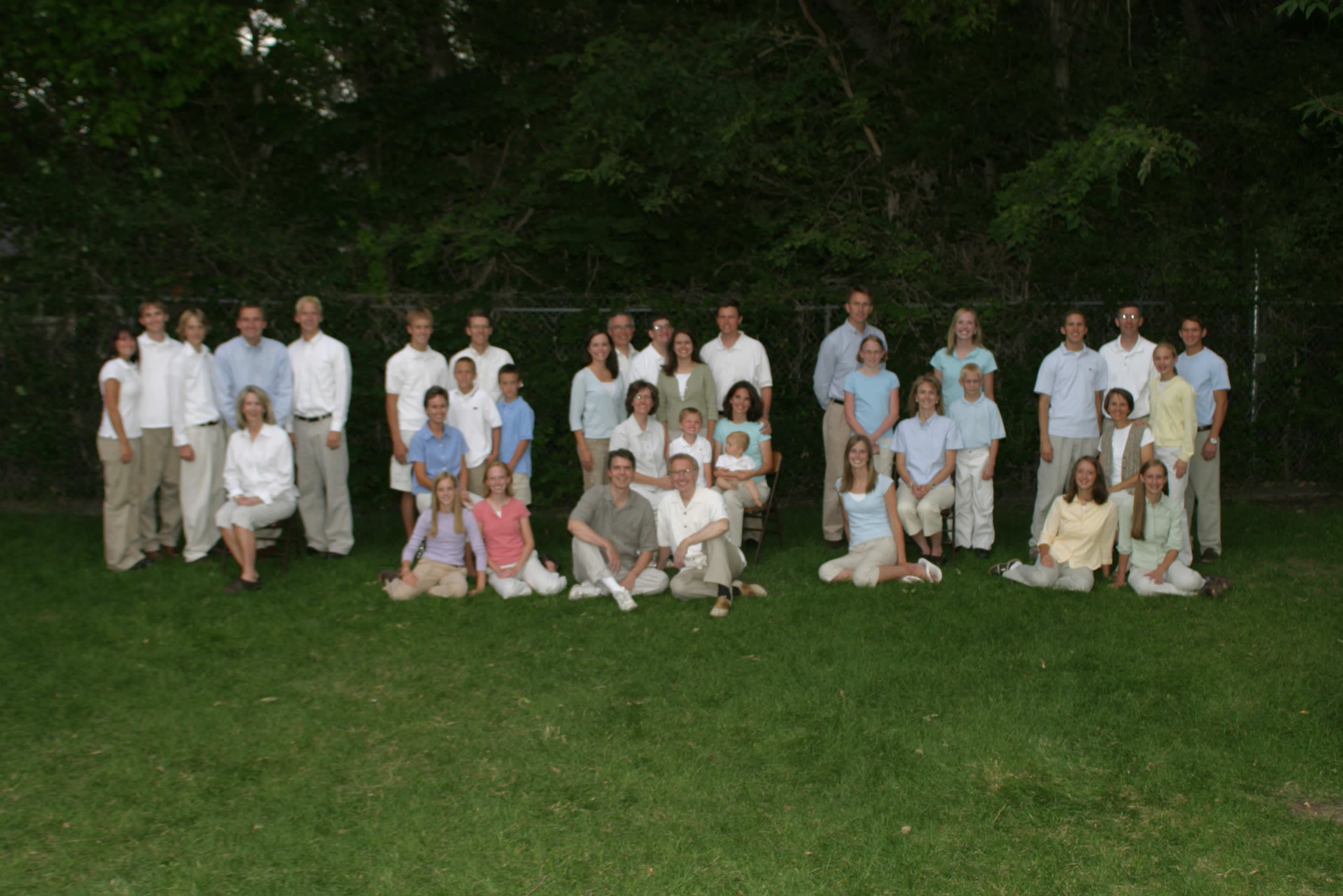
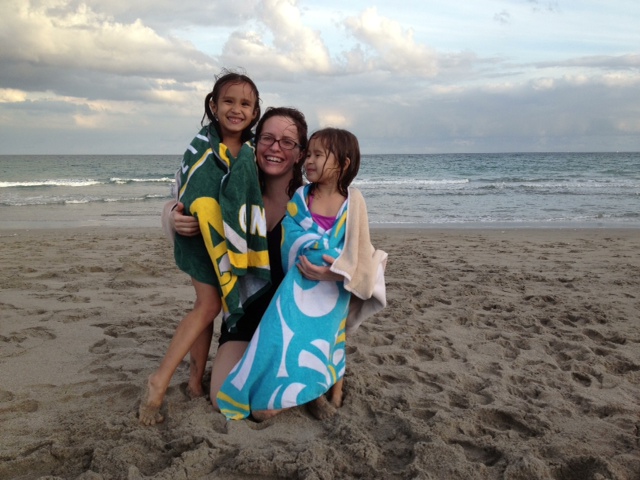
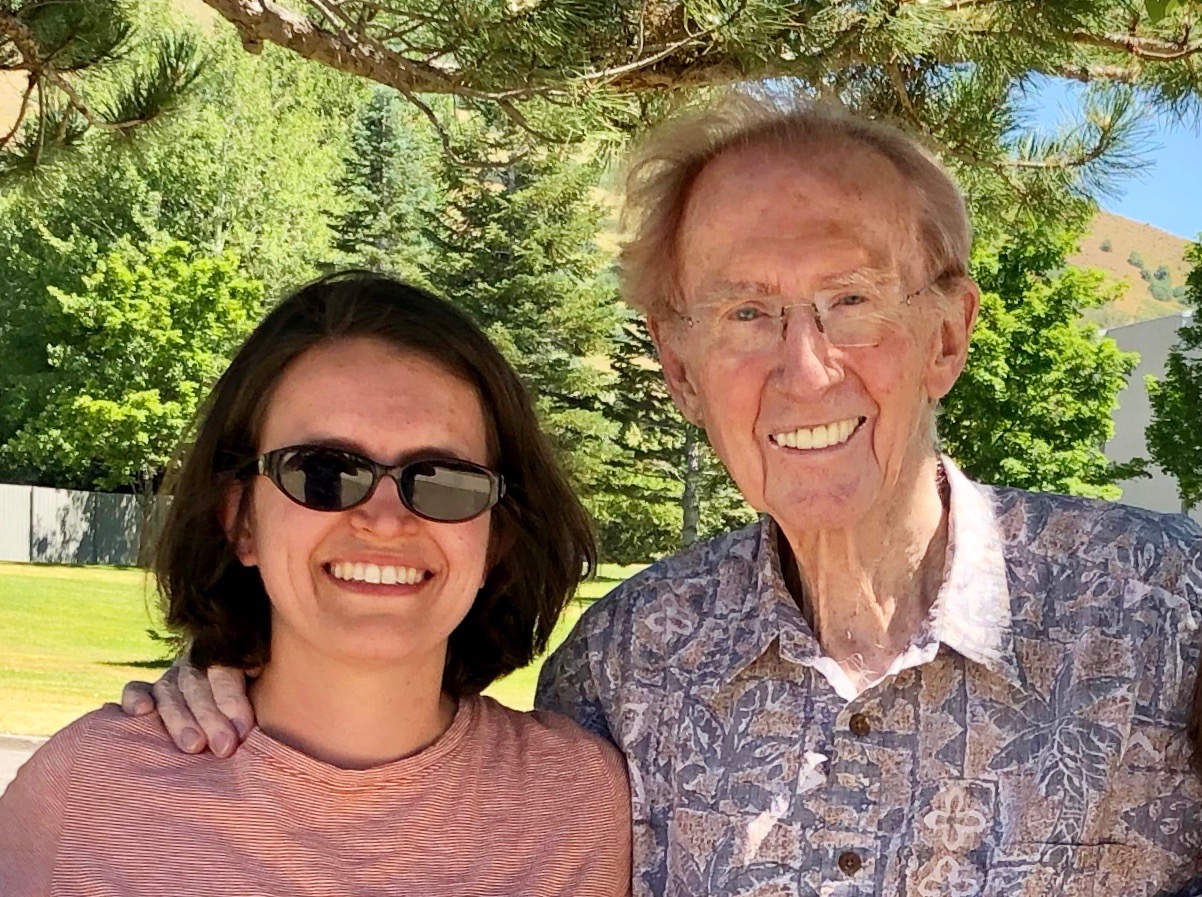
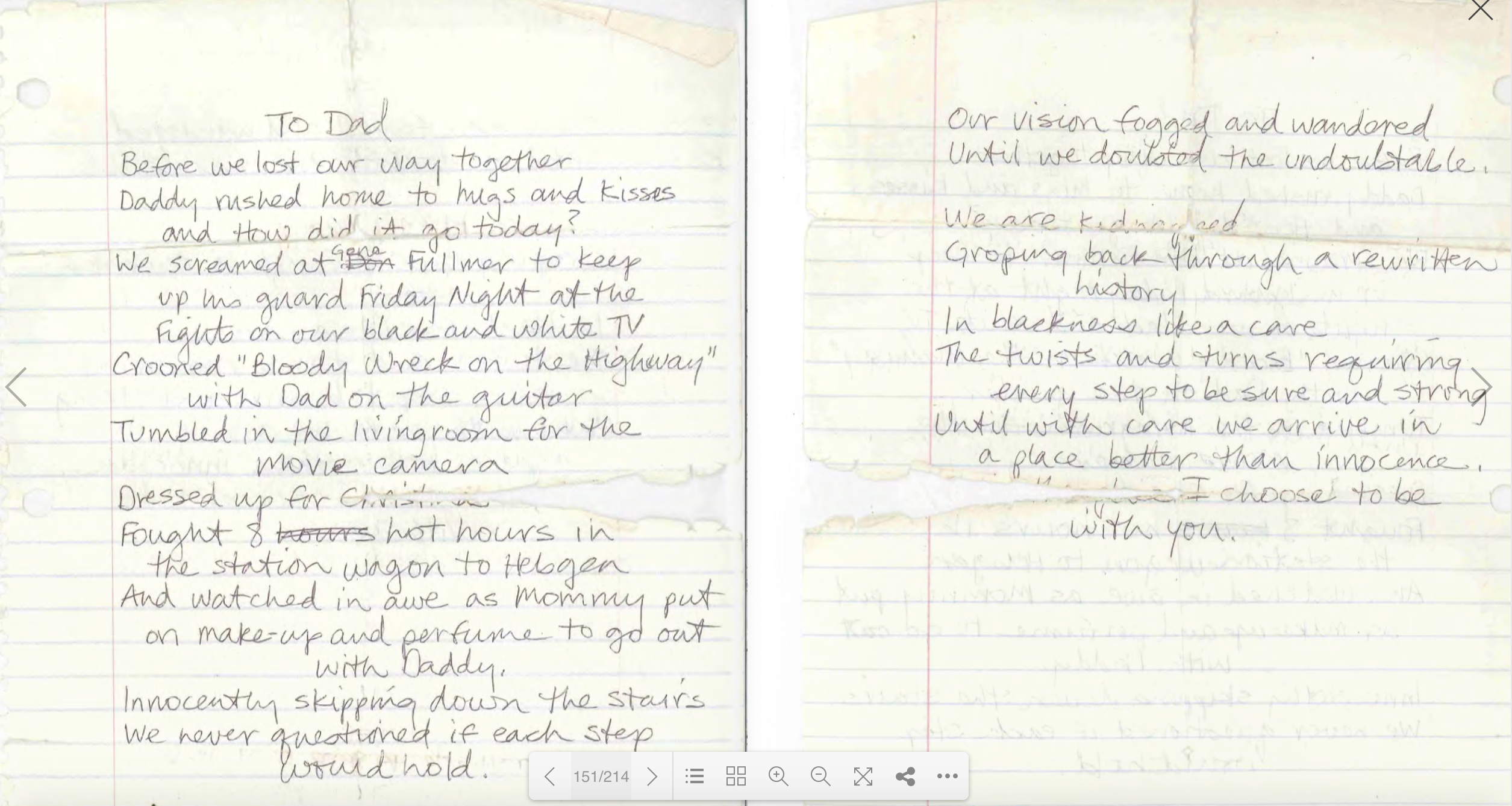
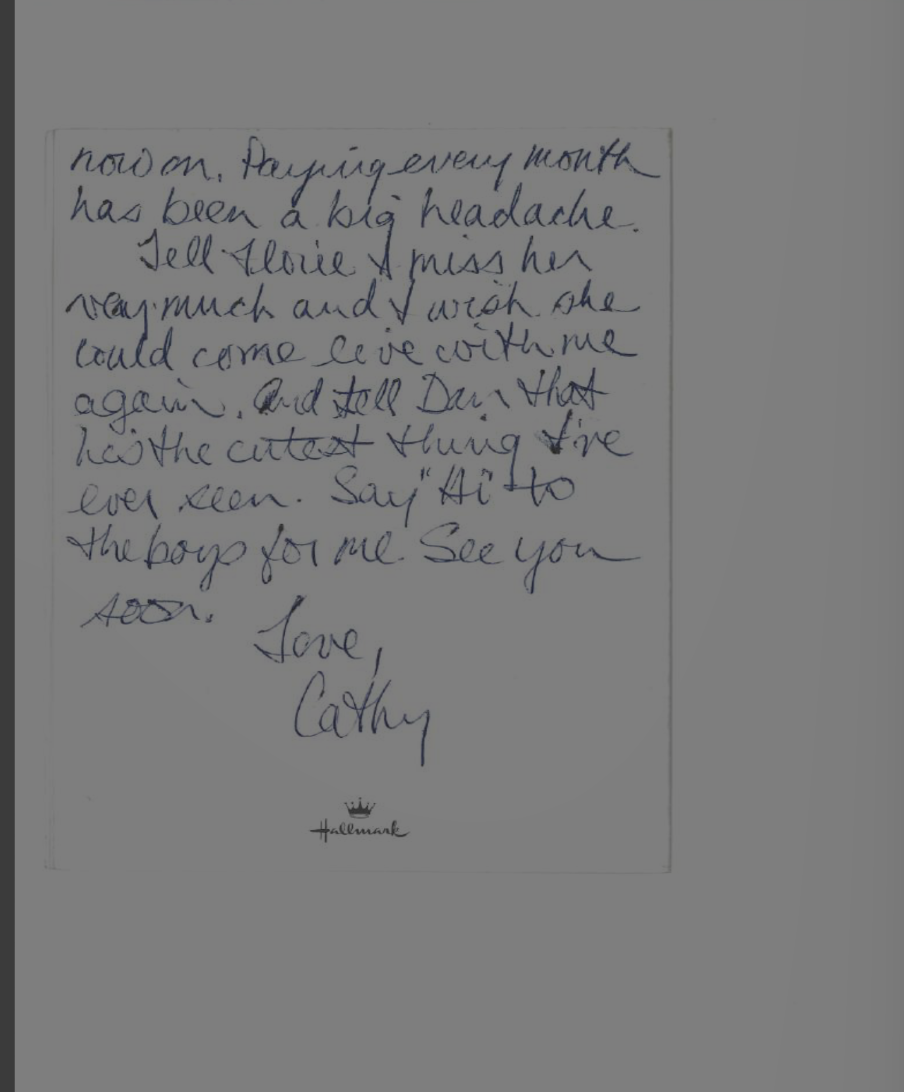
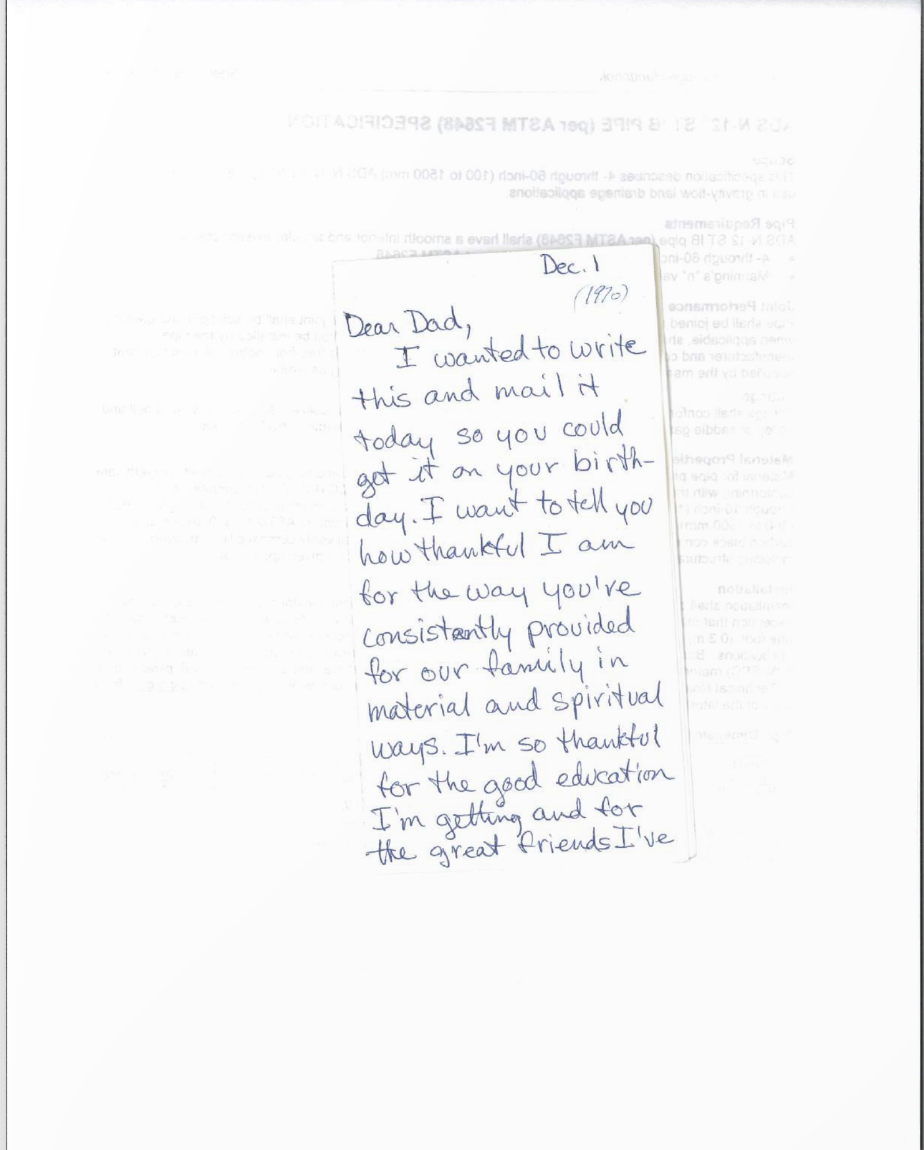
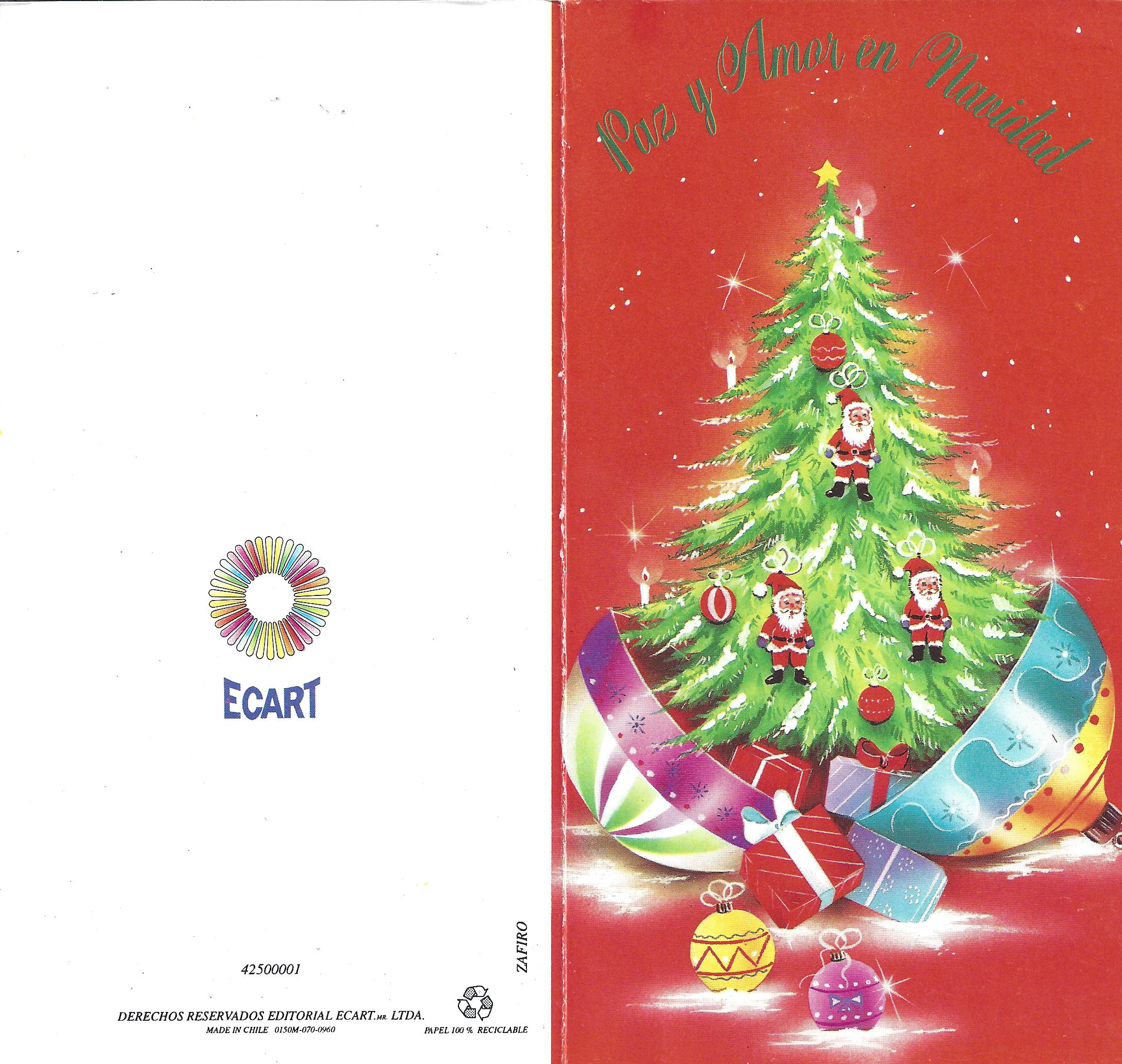
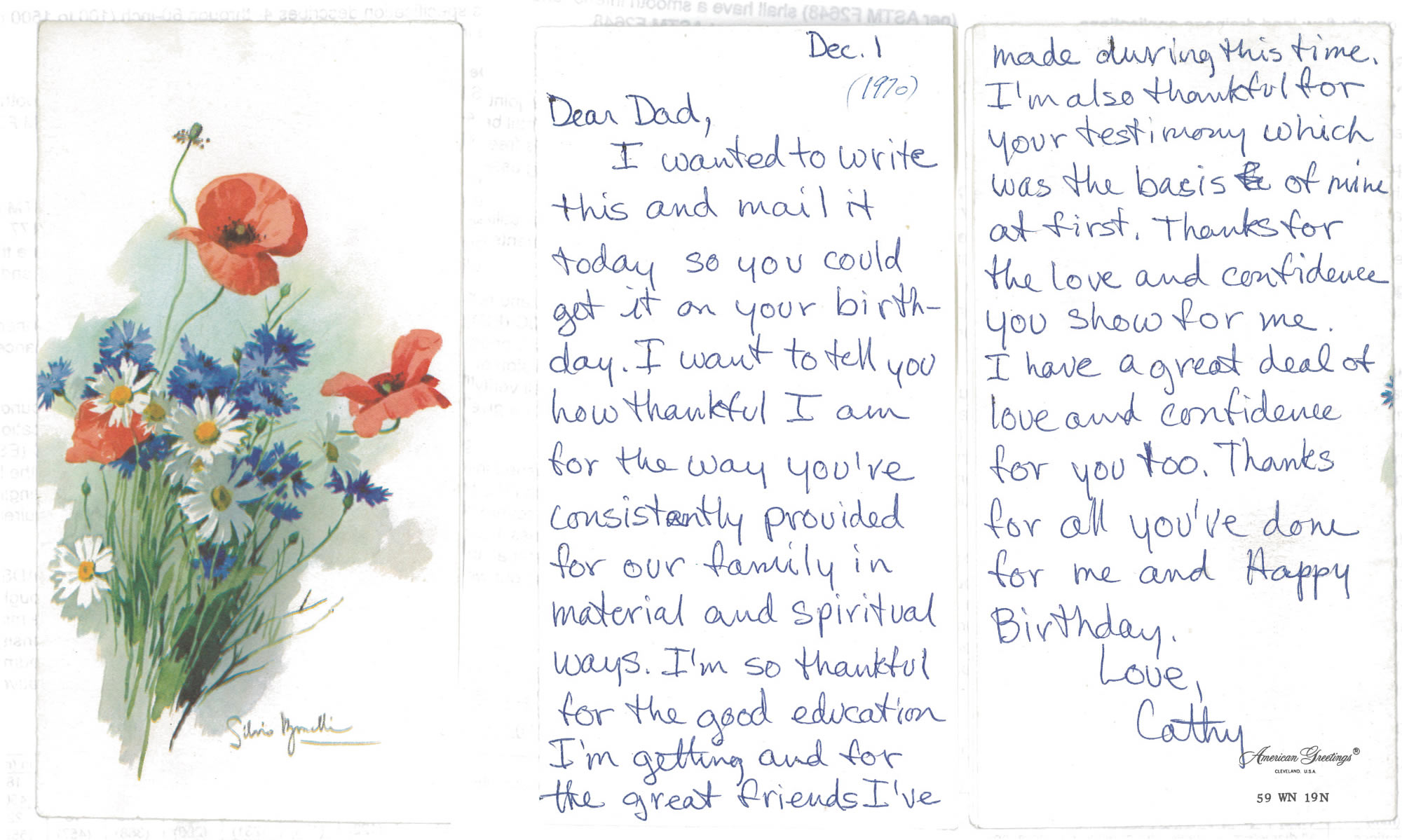
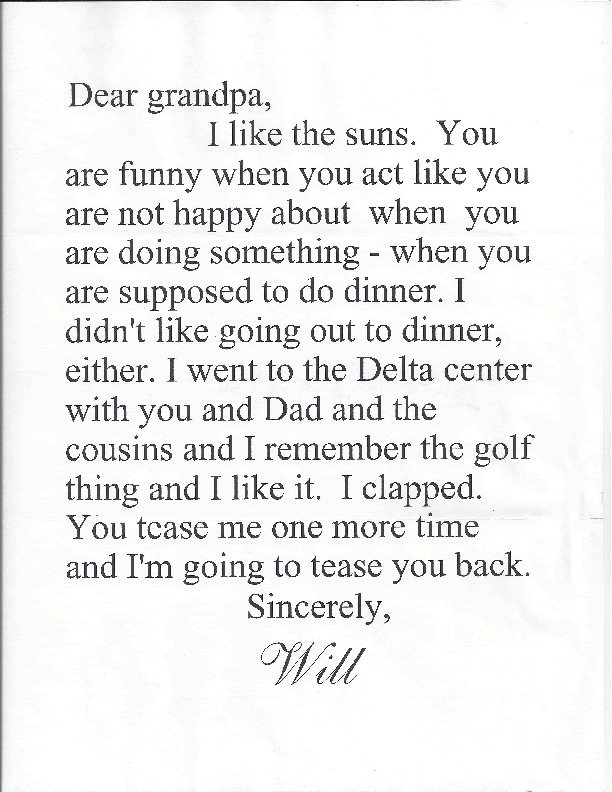
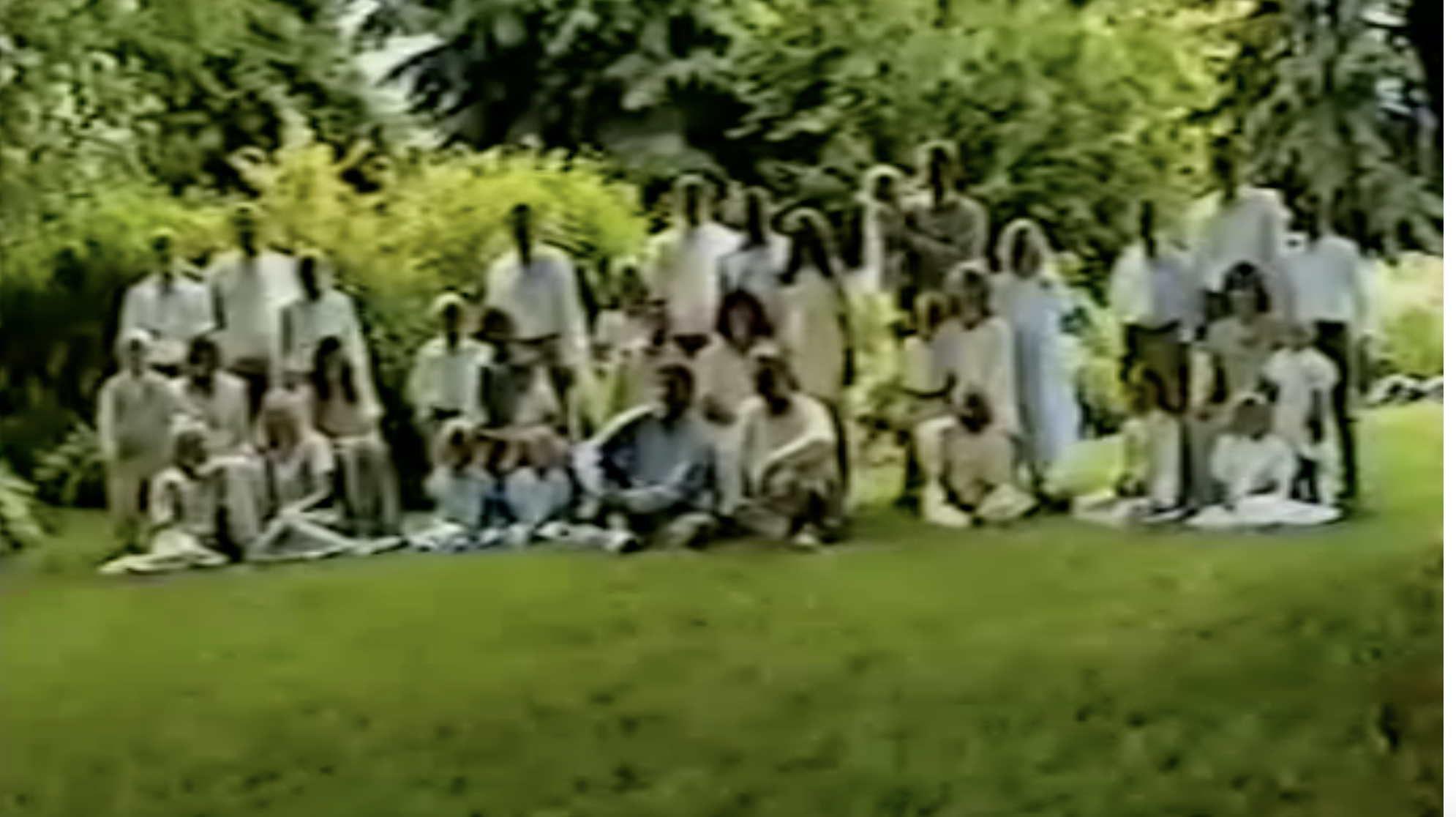
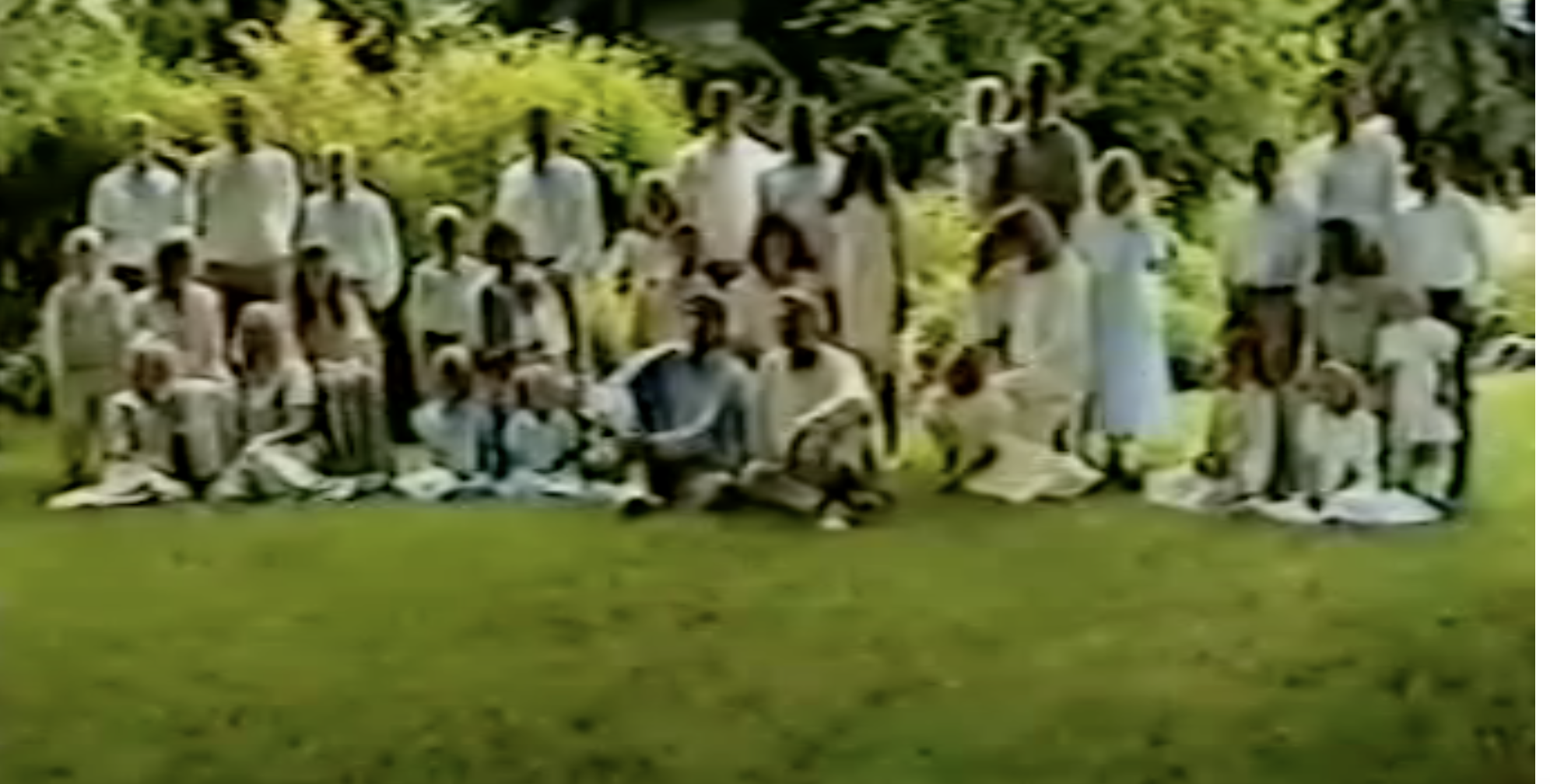
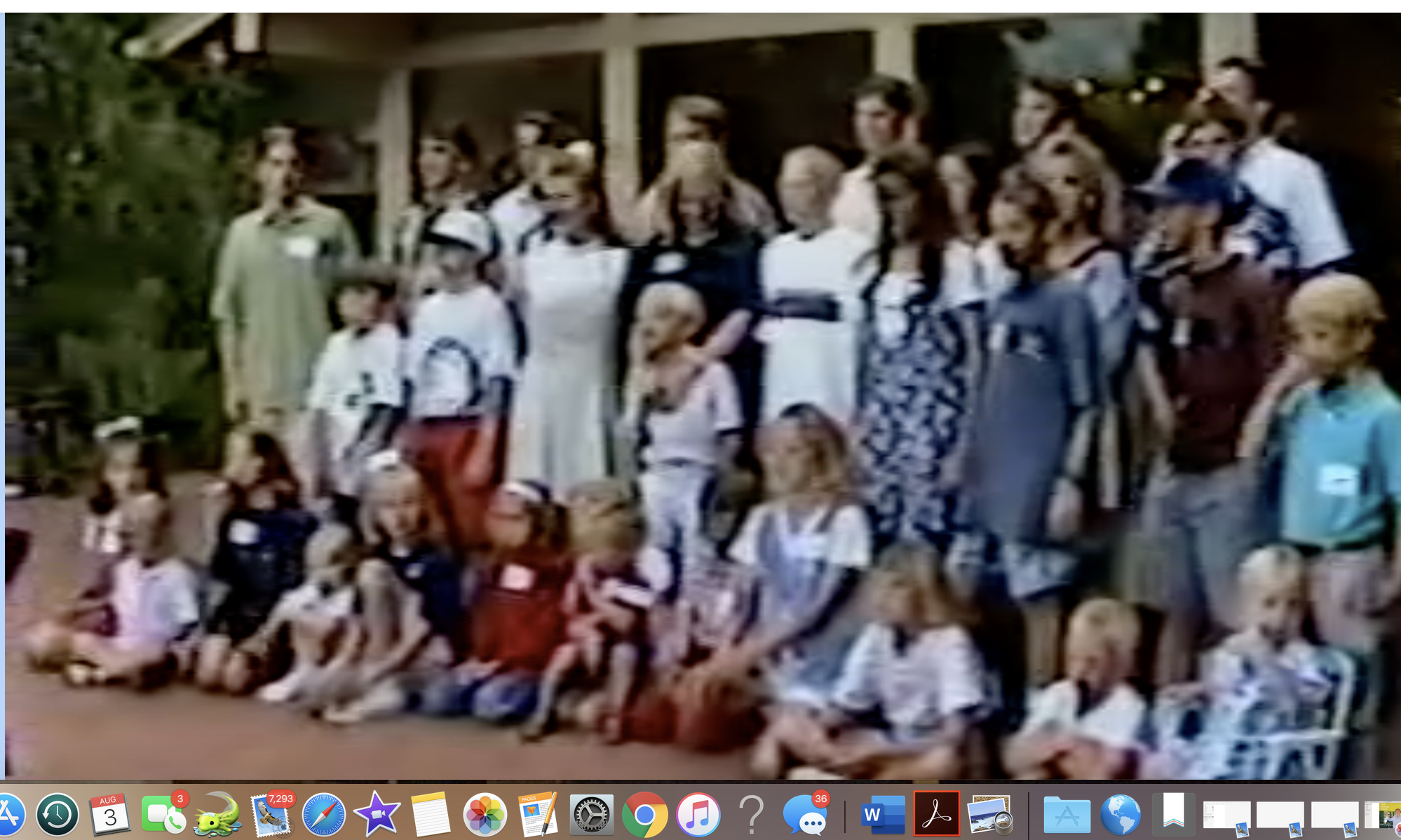
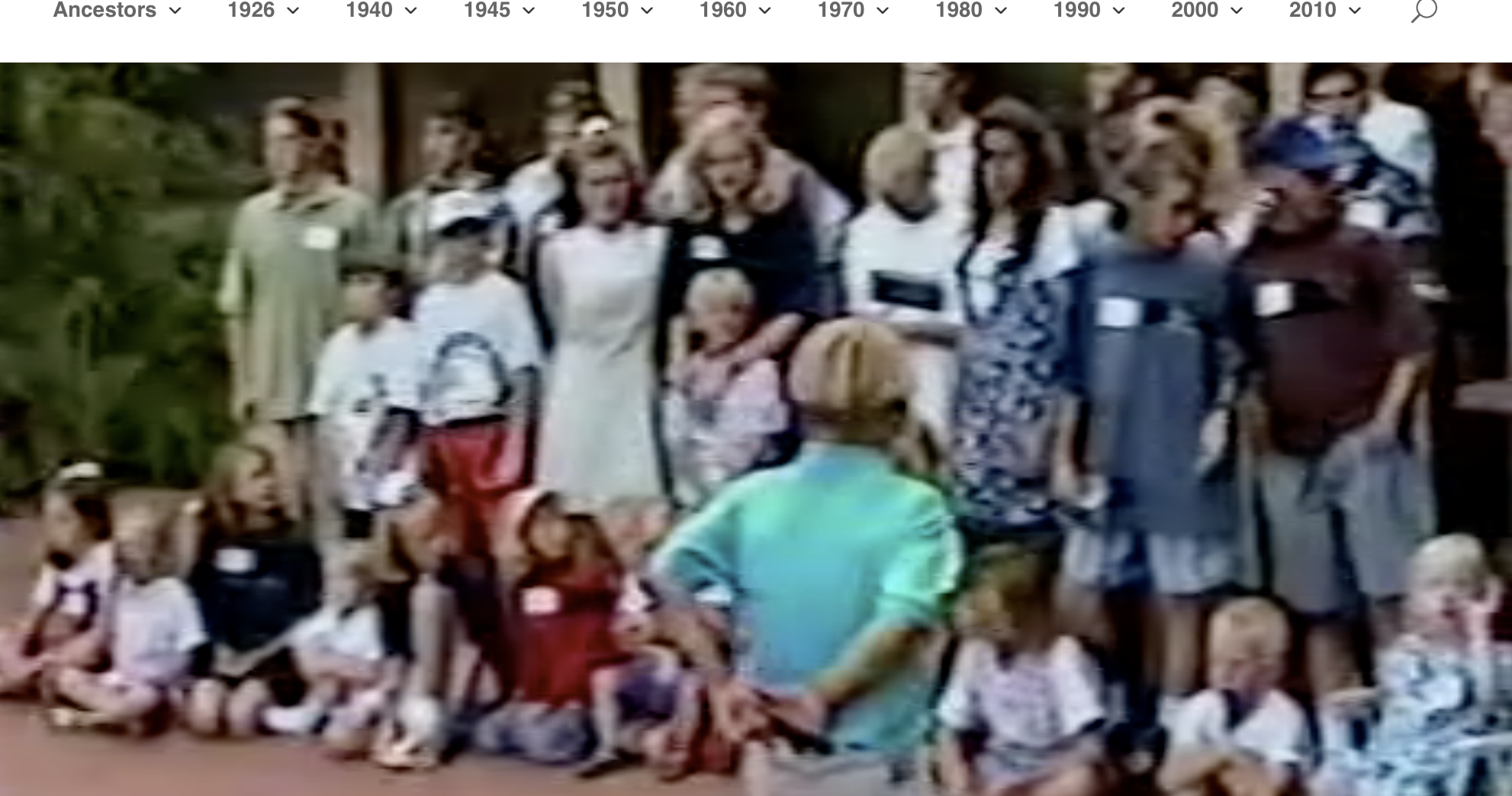
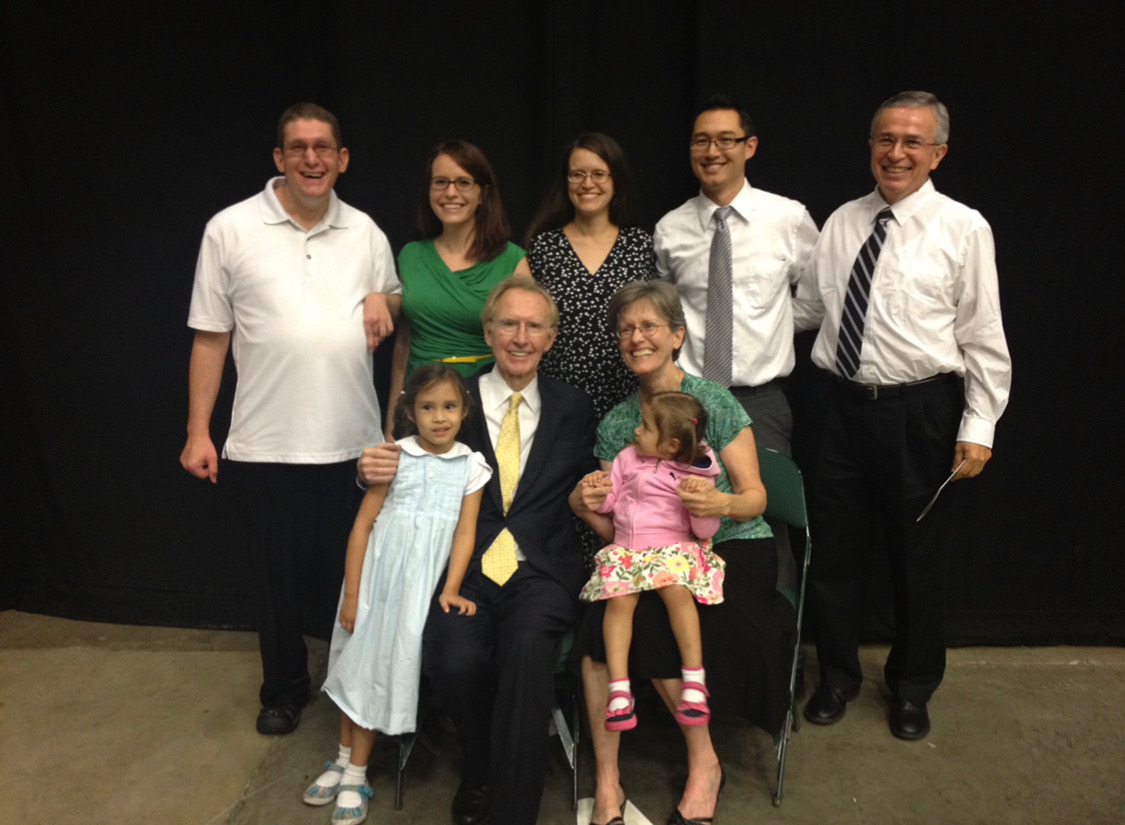
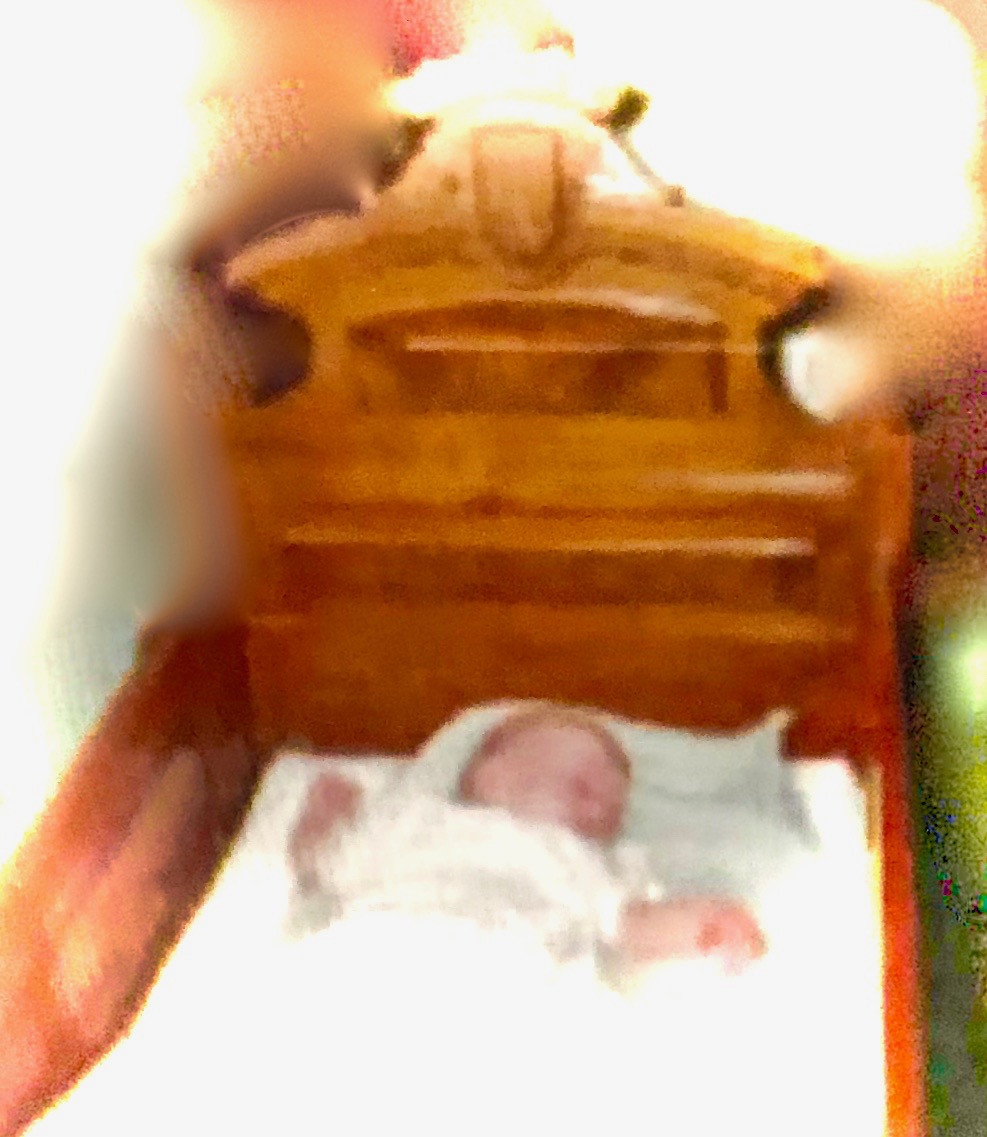
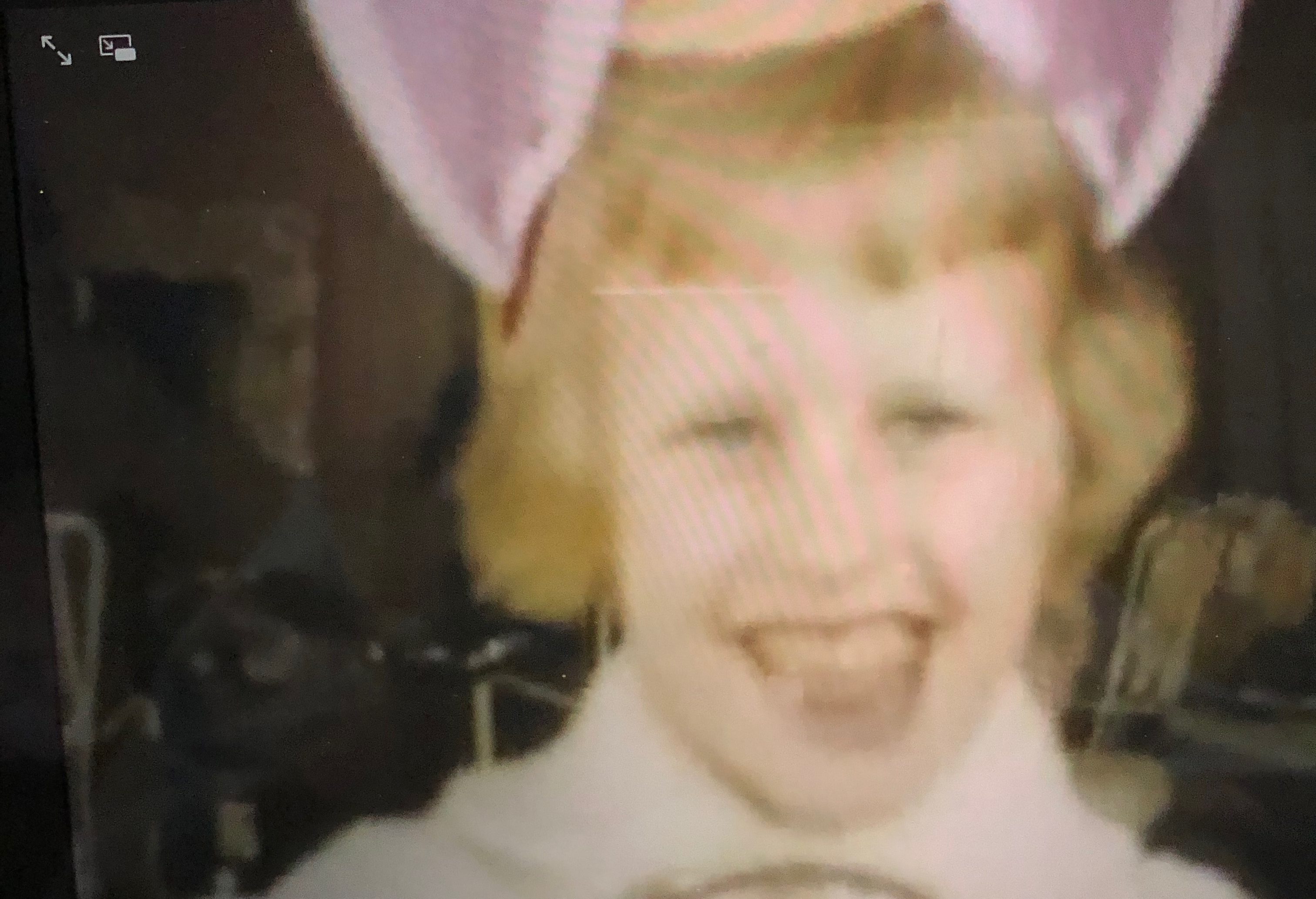
Memorable Pictures of Cathy and her family:


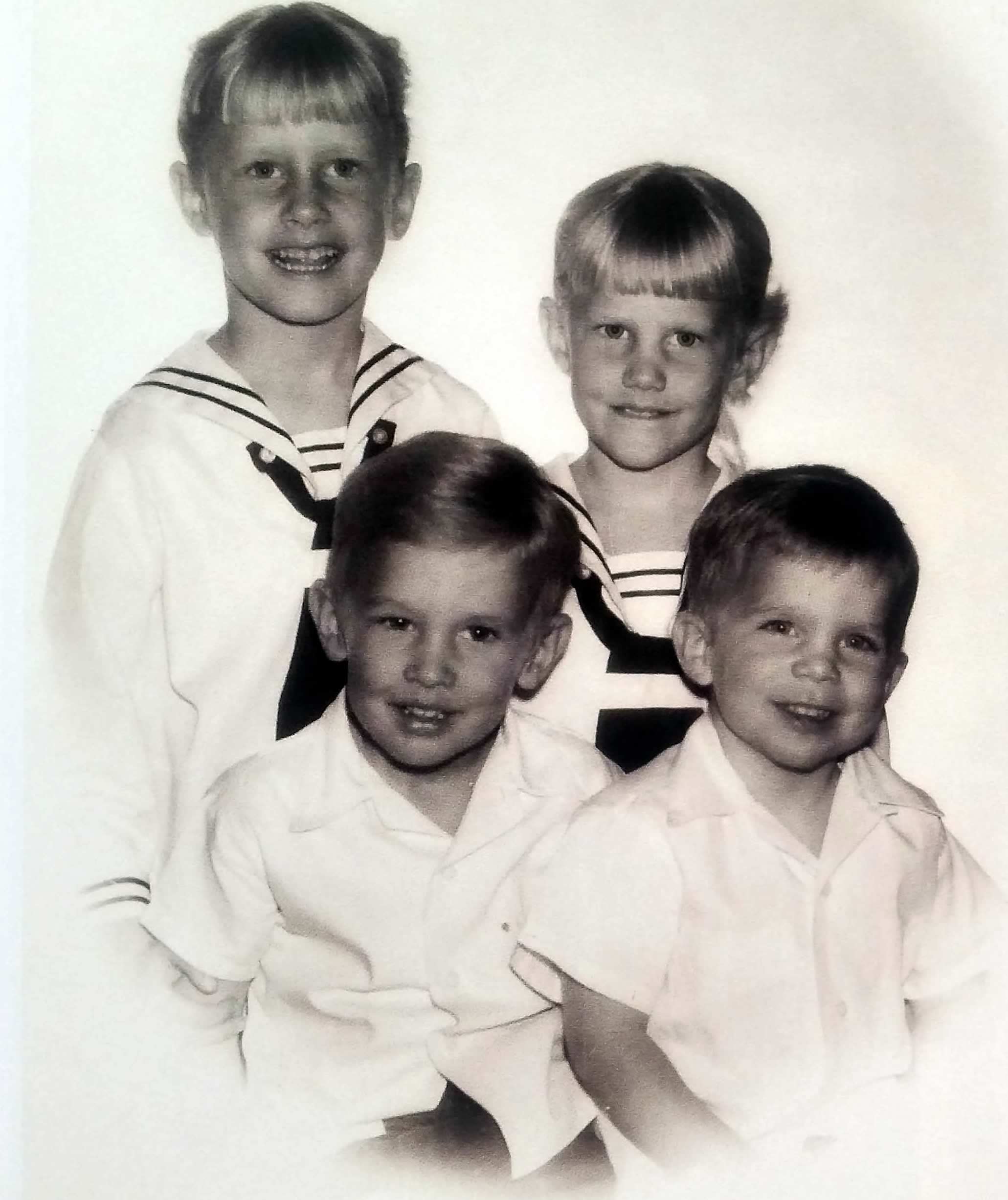


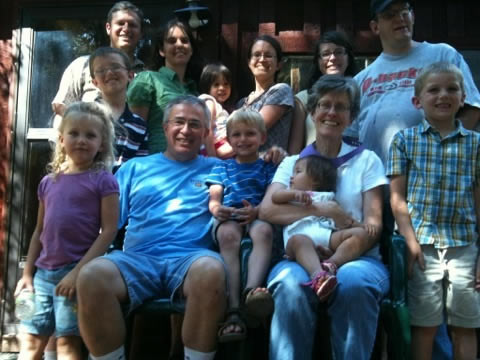


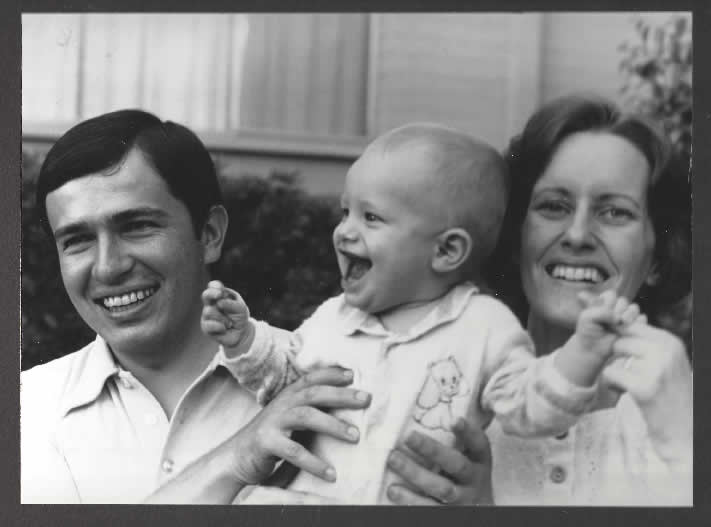
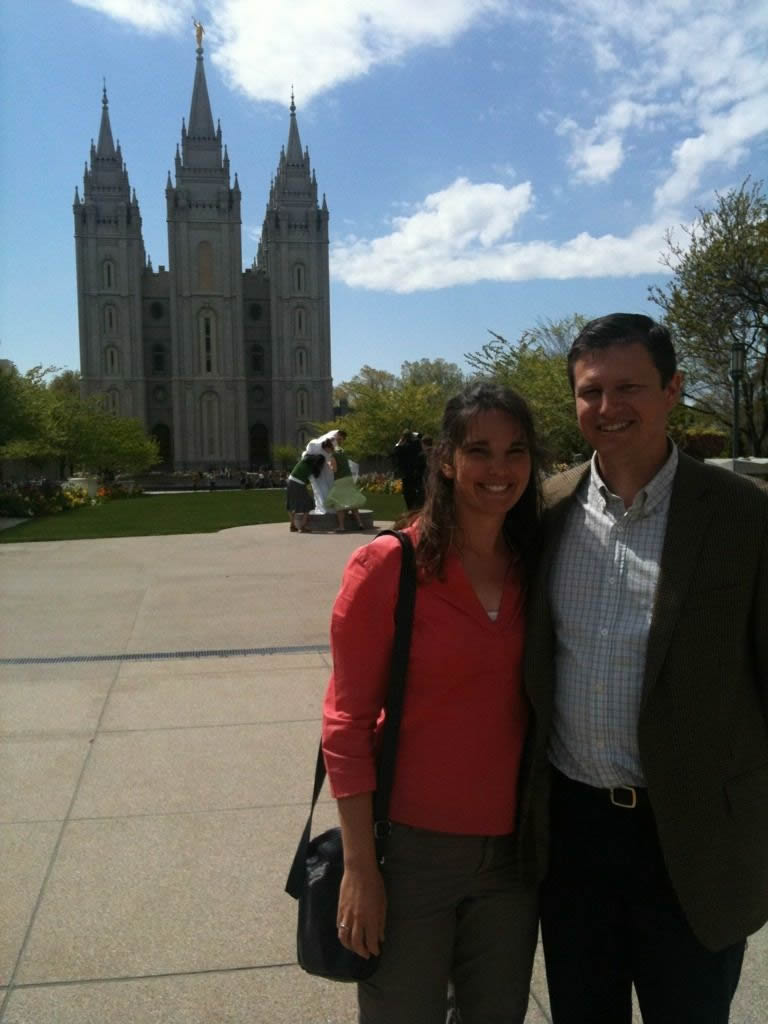







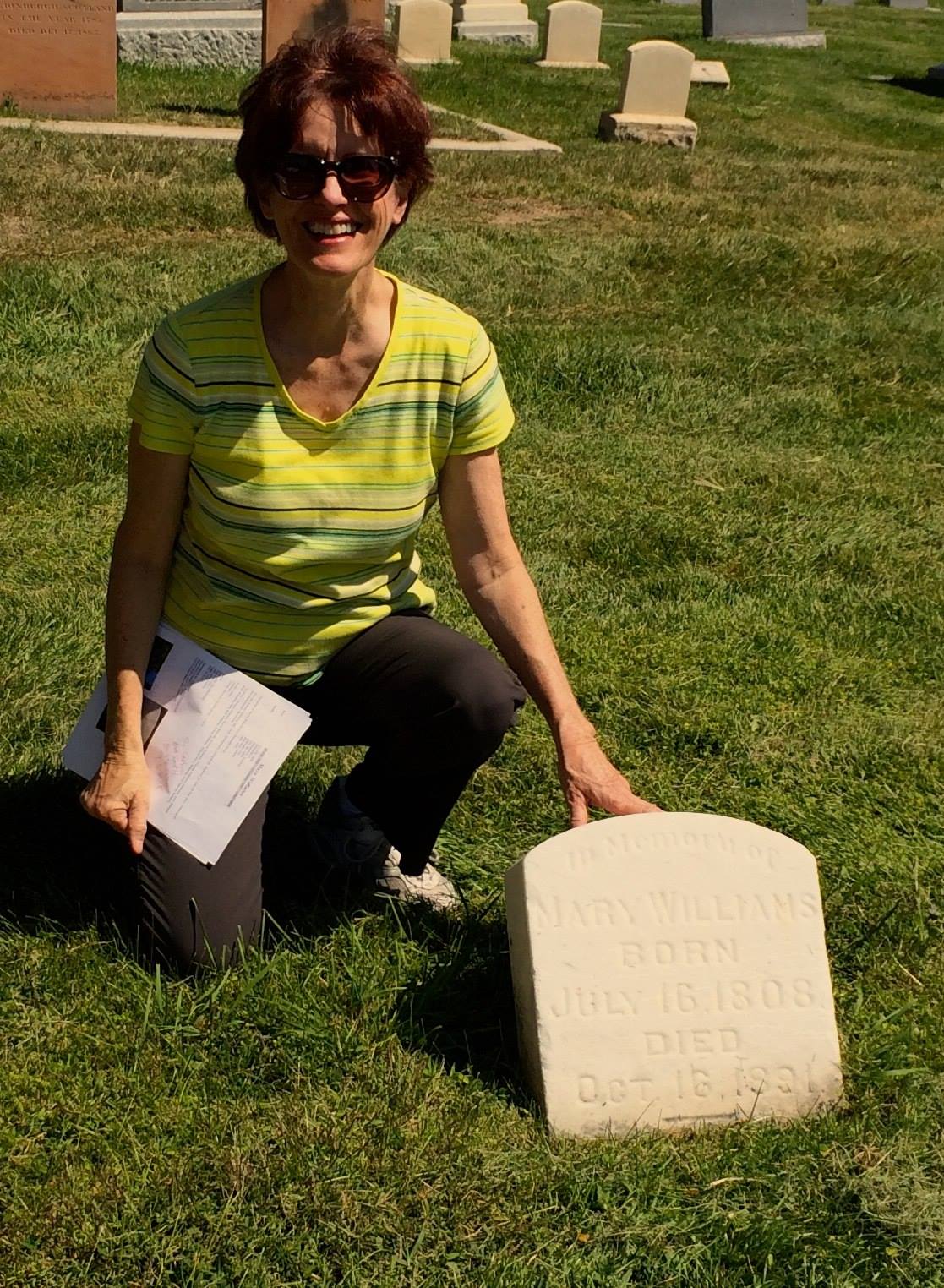

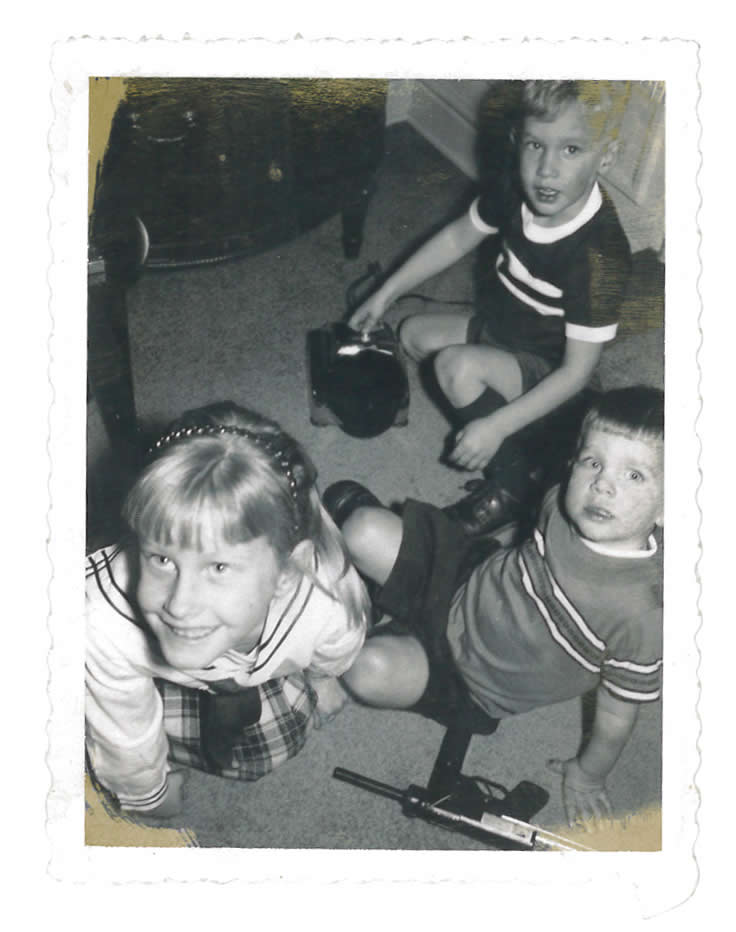


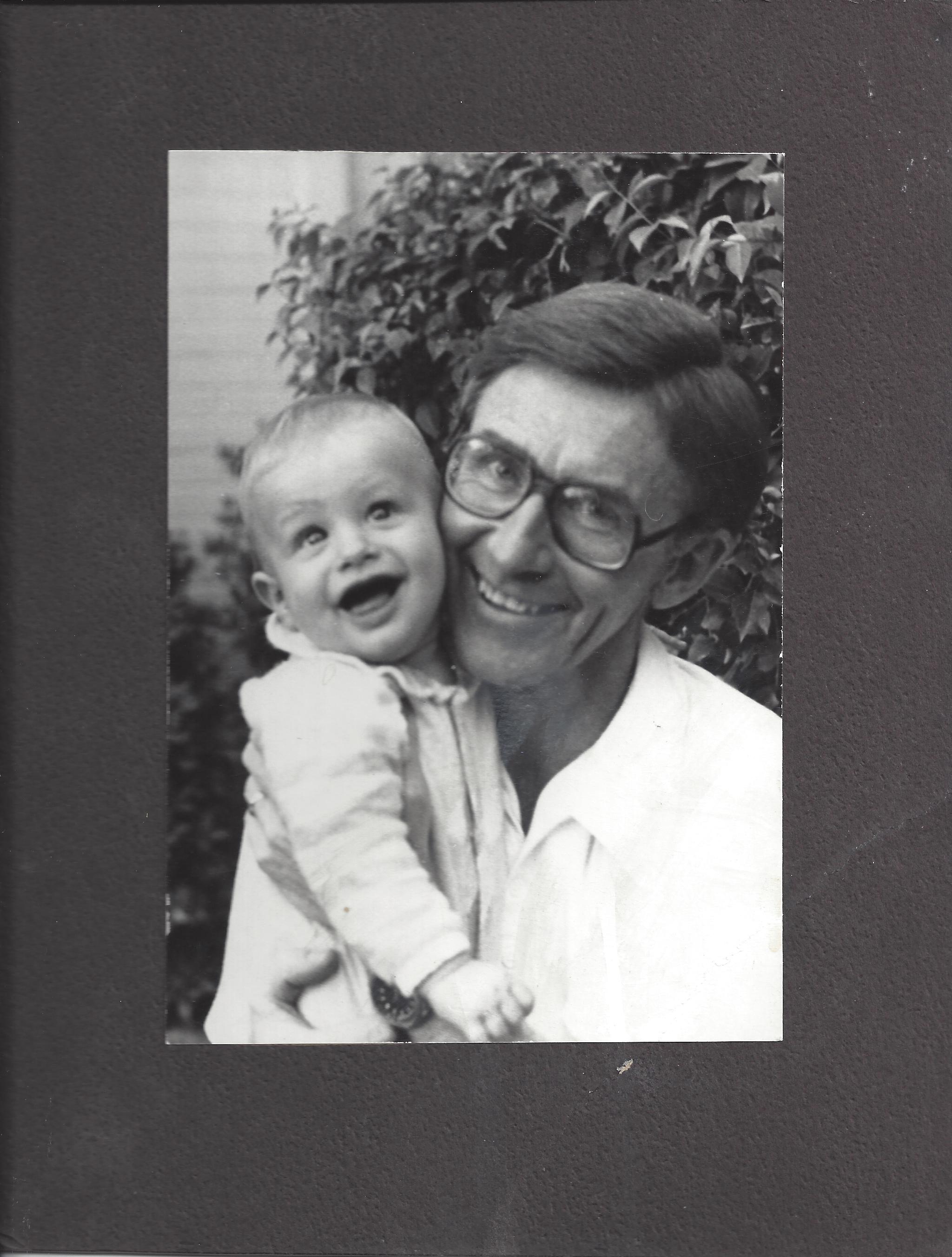


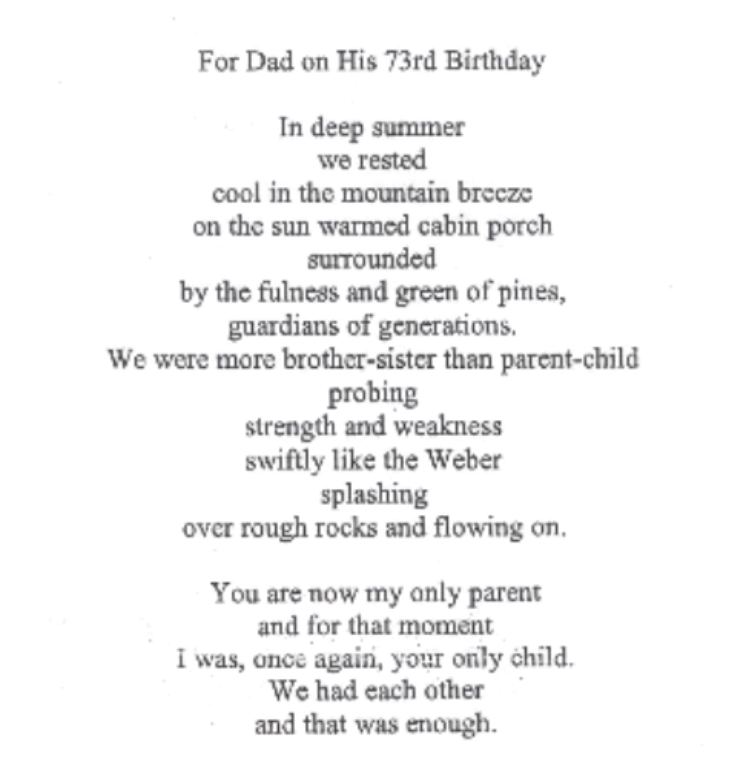

























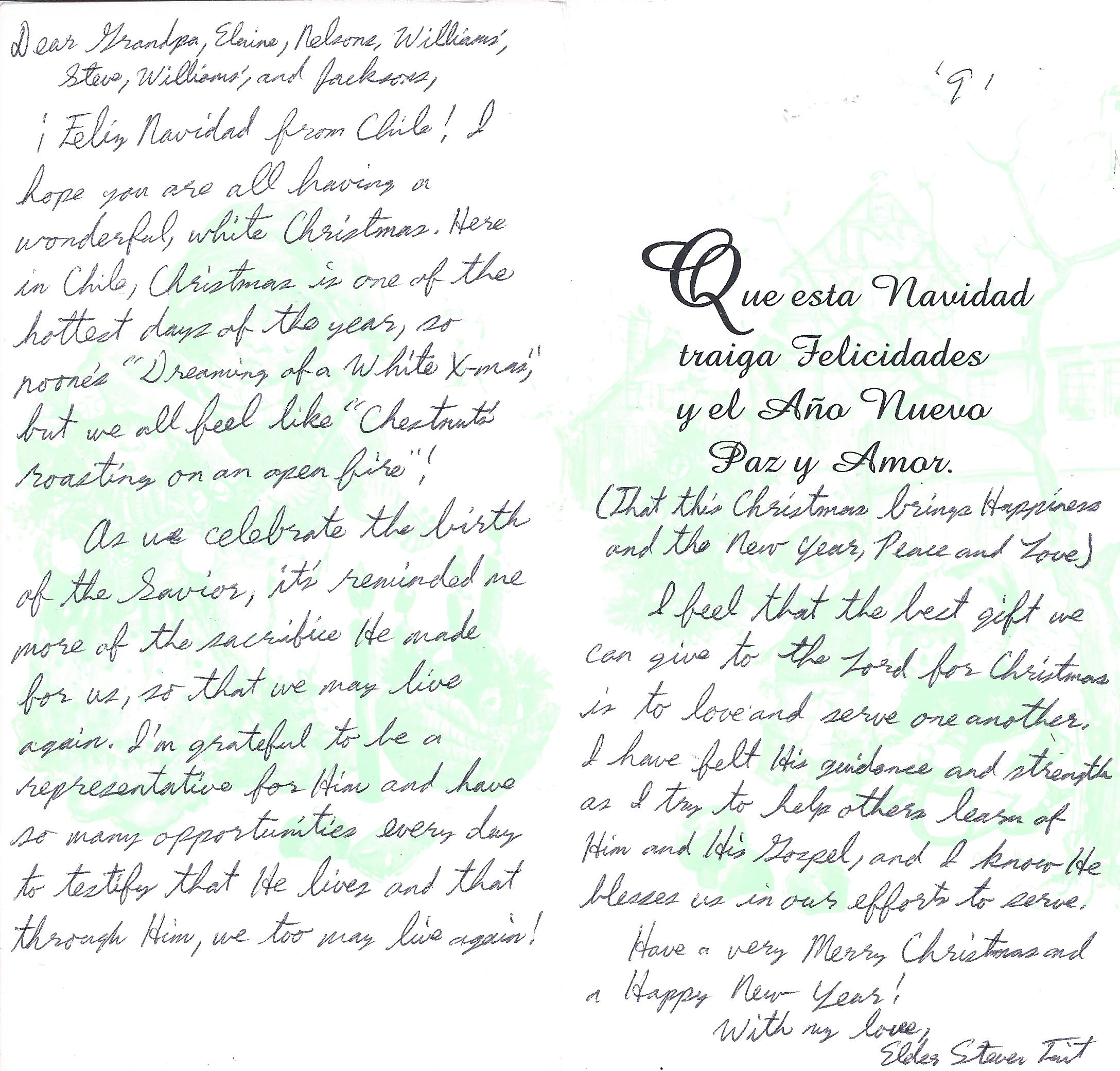
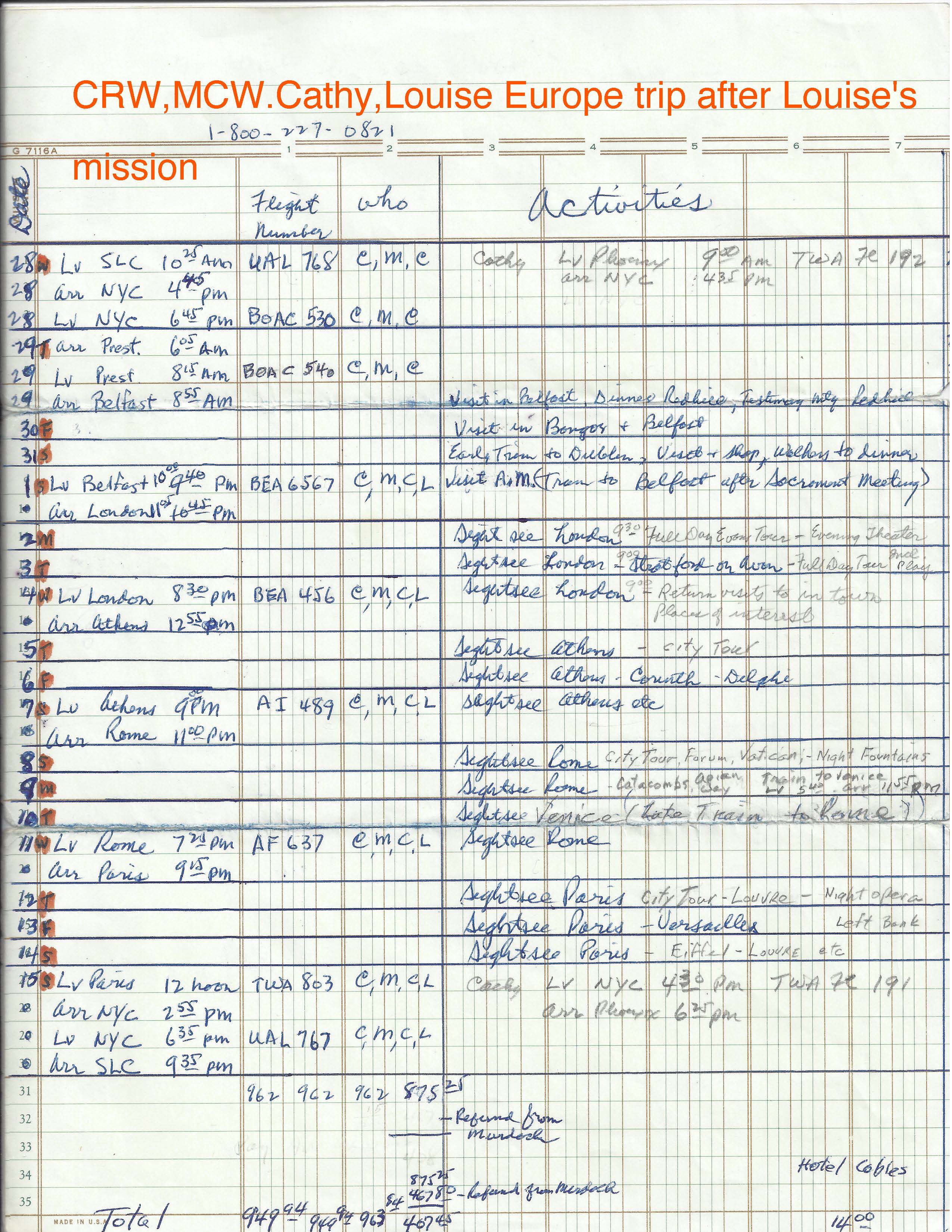
Important and Memorable Documents:



Susan Winder Williams
1951 Other Highlights:
CRW and MCW were living in an apartment at 70 “M” Street. CRW was studying Engineering at the University of Utah and MCW was teaching school at Franklin elementary school. CRW and MCW spent the summer in Dearborn, Michigan where CRW was a student engineer with the American Blower Company, returning to Salt Lake City in the autumn where CRW continued at the University of Utah and was appointed to be a partner in and Secretary-Treasurer of c, and engineering firm and sales representative firm. The other partners were Gilbert W. Williams, Richard C. Williams, Earl Gritton and Dale Wilde.
Catherine Ann Williams was born on October 25, 1951 to CRW and MCW after a long period of labor at the LDS Hospital with Dr. Mervyn Sanders as obstetrician.
Susan Winder Williams, grandmother of CRW died at age in her home at 520 East 2nd South.
Summer in Michigan
Joined WG&W, Secretary-Treasurer
Cathy Born
Grandma Williams Dies
MCW visits Stephen in Boston
Word Events in 1951
Besides Cathy’s birth, this is what happened in the world in 1951:
Events
January
- January 1 – Patti Page‘s hit song “Tennessee Waltz” enjoys its first week as the No. 1 single, on Billboard and Cashbox charts, in the United States.
- January 4 – Korean War: Third Battle of Seoul: Chinese and North Korean forces capture Seoul for the second time (they had lost Seoul in the Second Battle of Seoul in September 1950).
- January 9 – The Government of the United Kingdom announces abandonment of the Tanganyika groundnut scheme for the cultivation of peanuts in the Tanganyika Territory, with the writing off of £36.5M debt.[1]
- January 15 – In a court in West Germany, Ilse Koch, The “Witch of Buchenwald”, wife of the commandant of the Buchenwald concentration camp, is sentenced to life imprisonment.
- January 20 – Avalanches in the Alps kill 240 and bury 45,000 for a time, in Switzerland, Austria and Italy.
- January 25 – Dutch author Anne de Vries releases the first volume of her novel Journey Through the Night (Reis door de nacht), set during World War II.
- January 27 – Nuclear testing at the Nevada Test Site begins, with a 1-kiloton bomb dropped on Frenchman Flat, northwest of Las Vegas.
- January 31 – The United States’ last narrow gauge passenger train (the “San Juan Express“) ends service.
February
- February – The Convention People’s Party wins national elections in Gold Coast (British colony).
- February 1 – The United Nations General Assembly declares that China is an aggressor in the Korean War, in United Nations General Assembly Resolution 498.
- February 4–8 – Surgeons remove an ovarian cyst from Gertrude Levandowski, in a 96-hour long operation in Chicago. She loses almost half of her weight and emerges weighing 140 kg.[2]
- February 6 – Woodbridge Train Wreck: A Pennsylvania Railroad passenger train derails near Woodbridge Township, New Jersey, killing 85 people and injuring over 500, in one of the worst rail disasters in American history.
- February 12 – Muhammad Reza Shah marries Soraya Esfandiary-Bakhtiari.
- February 15 – The 1951 New Zealand waterfront dispute begins, lasting for 151 days.
- February 19 – Jean Lee becomes the last woman hanged in Australia, when Lee and her 2 pimps are hanged for the murder and torture of a 73-year-old bookmaker.
- February 25 – The first Pan American Games open in Buenos Aires.
- February 27 – The Twenty-second Amendment to the United States Constitution, limiting Presidents to two terms, is ratified.
March[

- March 2 – The first NBA All-Star Game of basketball is played in the Boston Garden.
- March 3 or 5 – Jackie Brenston “and His Delta Cats” (actually Ike Turner‘s Kings of Rhythm) record “Rocket 88” at Sam Phillips‘ Sun Studio in Memphis, Tennessee, a candidate for the first rock and roll record (released in April). It is covered on June 14 by Bill Haley and His Saddlemen.
- March 6 – The trial of Julius and Ethel Rosenberg for conspiracy to commit espionage begins in the United States.
- March 9 – United Artists releases the sci-fi film The Man from Planet X in the United States.
- March 12 – Hank Ketcham’s best-selling comic strip Dennis the Menace appears in newspapers across the United States for the first time.
- March 14
- Korean War – Operation Ripper: For the second time, United Nations troops recapture Seoul.
- West Germany joins UNESCO.
- March 29
- Second Red Scare: Julius and Ethel Rosenberg are convicted of conspiracy to commit espionage. On April 5 they are sentenced to death.
- Rodgers and Hammerstein‘s The King and I opens on Broadway, and runs for three years. It is the first of their musicals specifically written for an actress (Gertrude Lawrence). Lawrence is stricken with cancer during the run of the show, and dies halfway through its run a year later. The show makes a star of Yul Brynner.
- The 23rd Academy Awards Ceremony is held; All About Eve wins the Best Picture award and five others.
- March 31 – Remington Rand delivers the first UNIVAC I computer to the United States Census Bureau.
April
- April 5–13 – The most complete recording of George Gershwin‘s opera Porgy and Bess.
- April 11
- U.S. President Harry S. Truman relieves General Douglas MacArthur of his Far Eastern commands.
- After its removal from Westminster Abbey on Christmas Day, 1950, the Stone of Scone resurfaces on the altar of Arbroath Abbey.
- April 18 – The Treaty of Paris (1951) is adopted, establishing the European Coal and Steel Community.
- April 21 – The National Olympic Committee of the Soviet Union is formed. The USSR will first participate in the Olympic Games at Helsinki, Finland, in 1952.
- April 24 – In Yokohama, Japan, a fire on a train kills more than 100.
- April 28 – 1951 Australian federal election: Robert Menzies‘ Liberal/Country Coalition Government is re-elected with a decreased majority, defeating the Labor Party, led by former Prime Minister Ben Chifley. Chifley dies a little over a month after the election; he will be replaced by his deputy H.V. Evatt.
- April 29 – RKO releases the Howard Hawks sci-fi film, The Thing (From Another World).
May
- May 1 – The opera house of Geneva, Switzerland is almost destroyed in a fire.
- May 3
- King George VI opens London’s Royal Festival Hall as a patron.
- The Festival of Britain opens.
- The U.S. Senate Committee on Armed Services and U.S. Senate Committee on Foreign Relations begin their closed door hearings into the dismissal of General Douglas MacArthur, by U.S. President Harry S Truman.
- May 9 – Operation Greenhouse: The first thermonuclear weapon is tested on Enewetok Atoll in the Marshall Islands, by the United States.
- May 14 – The first volunteer-run passenger trains run on Talyllyn Railway, Wales.
- May 15 – A military coup occurs in Bolivia.
- May 21 – The 9th Street Art Exhibition, otherwise known as the Ninth Street Show, a gathering of a number of notable artists, marks the stepping-out of the post war New York avant-garde, collectively known as the New York School.
- May 23 – The Tibetan government signs the Seventeen Point Agreement for the Peaceful Liberation of Tibet, with the People’s Republic of China.
- May 25 – The first atomic bomb “boosted” by the inclusion of thermonuclear materials, is tested in the “Item” test on Enewetok Atoll in the Marshall Islands by the United States.
- May 28 – The Goon Show is first broadcast on BBC Home Service in the U.K.; the first series is entitled “Crazy People”.
June
- June 4 – The Foley Square trial concludes review in the U.S. Supreme Court as Dennis v. United States, with a ruling against the defendants (overturned by Yates v. United States in 1957).
- June 14 – UNIVAC I is dedicated by the U.S. Census Bureau.[3]
- June 15–July 1– In New Mexico, Arizona, California, Oregon, Washington and British Columbia, thousands of acres of forests are destroyed in fires.
July
- July 1
- Colombo Plan operations commence.
- Judy Garland opens the first of 14 concerts in Dublin, Ireland at the Theatre Royal.
- July 5 – William Shockley, John Bardeen and Walter Brattain announce the invention of the junction transistor.
- July 10
- July 13
- The Great Flood of 1951 reaches its highest point in northeast Kansas, culminating in the greatest flood damage to date in the Midwestern United States.
- MGM‘s Technicolor film version of Show Boat, starring Kathryn Grayson, Ava Gardner and Howard Keel, premieres at Radio City Music Hall in New York City. The musical brings overnight fame to bass-baritone William Warfield (who sings Ol’ Man River in the film).
- July 14 – In Diamond, Missouri, the George Washington Carver National Monument becomes the first United States National Monument to honor an African American.
- July 16 – King Leopold III of Belgium abdicates, in favour of his son Baudouin.
- July 17 – Baudouin takes the oath as king of Belgium.
- July 20 – King Abdullah I of Jordan is assassinated by a Palestinian, while attending Friday prayers in Jerusalem. He is succeeded by his son, King Talal.
- July 26 – Walt Disney‘s 13th animated film, Alice in Wonderland, premieres in London, United Kingdom.
- July 30 – David Lean‘s film of Oliver Twist is finally shown in the United States, after 10 minutes of supposedly anti-Semitic references and closeups of Alec Guinness as Fagin are cut. It will not be shown uncut in the U.S. until 1970.
August
- August 11 – René Pleven becomes Prime Minister of France.
- August 12 – J. D. Salinger‘s coming-of-age story The Catcher in the Rye is first published in the United States.
- August 31 – The first Volkswagen Type 1 rolls off the production line in Uitenhage, South Africa.
September
- September 1 – The United States, Australia and New Zealand all sign a mutual defense pact, the ANZUS Treaty.
- September 2 – The Sri Lanka Freedom Party is founded by S. W. R. D. Bandaranaike.
- September 3 – American soap opera Search for Tomorrow debuts on CBS.
- September 8
- Treaty of San Francisco: In San Francisco, 48 representatives out of 51 attending sign a peace treaty with Japan, formally ending the Pacific War; the delegations of the Soviet Union, Poland and Czechoslovakia do not sign the treaty, instead favoring separate treaties.
- The Japan-U.S. Security Treaty, which allows United States Armed Forces to be stationed in Japan after the occupation of Japan, is signed by Japan and the United States.
- September 9 – Chinese Communist forces move into Lhasa, the capital of Tibet.
- September 10 – The United Kingdom begins an economic boycott of Iran.
- September 18 – Elia Kazan‘s adaptation of the Tennessee Williams play A Streetcar Named Desire premieres, becoming a critical and box-office smash.
- September 20 – NATO accepts Greece and Turkey as members.
- September 24 – MGM releases the musical Show Boat.
- September 26–28 – A blue sun is seen over Europe: the effect is due to ash coming from the Canadian forest fires 4 months previously.
- September 28 – 20th Century Fox releases the Robert Wise science fiction film The Day the Earth Stood Still in the United States.
- September 30 – Charlotte Whitton becomes mayor of Ottawa and Canada’s first woman mayor of a major city.
October
- October 3 – “Shot Heard ‘Round the World (baseball)“: One of the greatest moments in Major League Baseball history occurs when the New York Giants’ Bobby Thomson hits a game-winning home run in the bottom of the 9th inning off of Brooklyn Dodgers pitcher Ralph Branca, to win the National League pennant after being down 14 games.
- October 3–8 – Korean War – First Battle of Maryang-san: United Nations (primarily Australian) forces drive back the Chinese.
- October 4
- MGM‘s Technicolor musical film, An American in Paris, starring Gene Kelly and Leslie Caron, and directed by Vincente Minnelli, premieres in New York. It will go on to win 6 Academy Awards, including Best Picture.
- Shoppers World, one of the first shopping malls in the United States, opens in Framingham, Massachusetts.
- October 6 – Malayan Emergency: Communist insurgents kill British commander Sir Henry Gurney.
- October 14 – THE Organization of Central American States (Organización de Estados Centroamericanos, ODECA) is formed.
- October 15
- Norethisterone, the progestin used in the combined oral contraceptive pill, is synthesized by Luis E. Miramontes in Mexico.
- I Love Lucy makes its television debut on CBS, in the United States.
- October 16
- Judy Garland begins a series of concerts in New York’s Palace Theatre.
- Prime Minister Liaquat Ali Khan of Pakistan is assassinated.
- East China Normal University is founded in Shanghai, China.
- October 17 – CBS‘s Eye logo premieres on American television.
- October 19 – The state of war between the United States and Germany is officially ended.
- October 20 – The Johnny Bright incident occurs in Stillwater, Oklahoma.
- October 21 – A storm in southern Italy kills over 100.
- October 24 – U.S. President Harry Truman declares an official end to war with Germany.
- October 26 – Winston Churchill is re-elected Prime Minister of the United Kingdom (a month before his 77th birthday) in a general election which sees the defeat of Clement Attlee‘s Labour government, after 6 years in power.[4]
- October 27 – Farouk of Egypt declares himself king of Sudan, with no support.
- October 29 – The town of Carnation, Washington, USA changes its name back to Carnation, after being named Tolt since May 1928.
- October 31 – The film Scrooge, starring Alastair Sim, opens in England.
November
- November 1 – The first military exercises for nuclear war, with infantry troops included, are held in the Nevada desert.
- November 2 – 6,000 British troops flown into Egypt to quell unrest in the Suez Canal zone.[5]
- November 10 – Direct dial coast-to-coast telephone service begins in the United States.
- November 11
- Juan Perón is re-elected president of Argentina.
- Monogram Pictures releases the sci-fi film Flight to Mars in the United States.
- November 12 – The National Ballet of Canada performs for the first time in Eaton Auditorium, Toronto.
- November 20 – The Po River floods in northern Italy.
- November 22 – Paramount Pictures releases the George Pal science fiction film When Worlds Collide in the United States.
- November 24 – The Broadway play Gigi opens, starring Audrey Hepburn as the lead character.
- November 28 – The U.K. film Scrooge, starring Alastair Sim, premieres in the United States under the title of Charles Dickens‘s original novel, A Christmas Carol.
- November 29 – LEO runs the world’s first commercial computer program, Bakery Valuations, for J. Lyons and Co.‘s tea shops in the U.K.
December
- c. December – The Institute of War and Peace Studies is established by Dwight D. Eisenhower at Columbia University in New York (of which he is President) with William T. R. Fox as first director.[6]
- December 3 – Lebanese University is founded in Lebanon.
- December 5 – The Provisional Intergovernmental Committee for the Movement of Migrants from Europe is formed.
- December 6 – A state of emergency is declared in Egypt, due to increasing riots.
- December 13 – A water storage tank collapses in Tucumcari, New Mexico, resulting in 4 deaths and 200 buildings destroyed.
- December 16 – The Salar Jung Museum is opened to the public, by Prime Minister of India Jawaharlal Nehru.
- December 17 – We Charge Genocide, a petition describing genocide against African Americans, is delivered to the United Nations.
- December 20
- Experimental Breeder Reactor I (EBR-1), the world’s first (experimental) nuclear power plant, opens in Idaho.
- A chartered Curtiss C-46 Commando crash-lands in Cobourg, Ontario Canada; all on board survive.
- The World Meteorological Organization becomes a specialized agency of the United Nations.
- December 22 – The Selangor Labour Party is founded in Selangor, Malaya.
- December 23 – John Huston‘s drama film The African Queen, starring Humphrey Bogart and Katharine Hepburn, premieres in Hollywood.
- December 24
- Libya becomes independent from Italy; Idris I is proclaimed King.
- Gian Carlo Menotti‘s 45-minute opera, Amahl and the Night Visitors, premieres live on NBC in the United States, becoming the first opera written especially for television.
- December 31 – The Marshall Plan expires, after distributing more than $13.3 billion US in foreign aid to rebuild Europe.[7]
Unknown dates
- A fourth and final forest fire starts in the Tillamook Burn, Oregon; but unlike earlier fires this one burns only 32,700 acres (132 km2), and within an area already affected by the earlier fires.
- A research team publishes the Interlingua–English Dictionary.
- IBM (United Kingdom) is formed.
- In Munich, Germany, a collection of mementos and personal papers belonging to Adolf Hitler are turned over to Bayerische Landesbank, for authentication and eventual sale. Among the documents are his appointment as Chancellor signed by President Paul von Hindenburg, his Austrian passport, as well as an assortment of swastika insignia pins and medals. An initial offer of $200,000.00 is made for the collection.[8]
- An 18-year-old sailor is fined for kissing in public in Stockholm, Sweden. The law court calls his actions “obnoxious behavior repulsive to the public morals”.[8]
- The United States becomes malaria-free (excluding territories and possessions)[9][10]
USA Events in 1951
Only in the USA (besides Cathy’s birth):
Federal Government
- President: Harry S. Truman (D–Missouri)
- Vice President: Alben W. Barkley (D–Kentucky)
- Chief Justice: Fred M. Vinson (Kentucky)
- Speaker of the House of Representatives: Sam Rayburn (D–Texas)
- Senate Majority Leader: Scott W. Lucas (D–Illinois) (until January 3), Ernest McFarland (D–Arizona) (starting January 3)
- Congress: 81st (until January 3), 82nd (starting January 3)
Events
January–March

March 29: Ethel and Julius Rosenberg convicted
- January 1 – First week of Patti Page hit song “Tennessee Waltz” as No. 1 single on Billboard and Cashbox charts.
- January 10 – The new United Nations headquarters officially opens in New York City.
- January 17 – Korean War: Chinese and North Korean forces capture Seoul.
- January 27 – Nuclear testing at the Nevada Test Site begins with a 1-kiloton bomb dropped on Frenchman Flat, northwest of Las Vegas.
- January 31 – The last daily narrow gauge passenger train, the San Juan Express is retired by the Denver and Rio Grande Western Railroad.
- February 4–8 – Surgeons remove an ovarian cyst from Gertrude Levandowski in a 96-hour-long operation in Chicago. She loses almost half of her weight and emerges weighing 140 kg.
- February 6 – A Pennsylvania Railroad passenger train derails near Woodbridge Township, New Jersey, killing 85 people and injuring over 500 in one of the worst rail disasters in American history.
- February 27 – The Twenty-second Amendment to the United States Constitution, limiting Presidents to two terms, is ratified.
- March 2 – The first NBA All-Star Game of basketball is played in the Boston Garden.
- March 3 or 5 – Jackie Brenston “and His Delta Cats” (actually Ike Turner‘s Kings of Rhythm) record “Rocket 88” at Sam Phillips‘ Sun Studio in Memphis, Tennessee, a candidate for the first rock and roll record (released in April). It is covered on June 14 by Bill Haley and His Saddlemen.
- March 6 – Second Red Scare: Ethel and Julius Rosenberg stand trial facing charges of conspiracy to commit espionage.
- March 7 – Korean War: Operation Ripper – In Korea, United Nations troops led by General Matthew Ridgway begin an assault against Chinese “volunteers”.
- March 12 – Hank Ketcham‘s best-selling comic strip Dennis the Menace, appears in newspapers across the U.S. for the first time.
- March 14 – Korean War: For the second time, United Nations troops recapture Seoul.
- March 29
- Second Red Scare: Ethel and Julius Rosenberg are convicted of conspiracy to commit espionage. On April 5 they are sentenced to receive the death penalty.
- Rodgers and Hammerstein‘s The King and I opens on Broadway and runs for 3 years. It is the first Rodgers & Hammerstein musical specifically written for an actress (Gertrude Lawrence). Lawrence is stricken with cancer during the run of the show and dies halfway through its run a year later. The show makes a star of Yul Brynner.
- The 23rd Academy Awards ceremony is held; All About Eve wins Best Picture and four others.
- March 31 – Remington Rand delivers the first UNIVAC I computer to the United States Census Bureau.
April–June

July 13: The Great Flood of 1951 reaches its peak
- April 7 – Operation Greenhouse: The first thermonuclear burn is carried out on Enewetak Atoll in the Marshall Islands of the Pacific by the U.S. Three further tests in this series take place up to May 24.
- April 11 – U.S. President Harry S. Truman relieves General Douglas MacArthur of his Far Eastern commands.
- May 3 – The U.S. Senate Committee on Armed Services and U.S. Senate Committee on Foreign Relations begins its closed door hearings into the dismissal of General Douglas MacArthur by U.S. President Harry S. Truman.
- May 21 – The Ninth Street Show, formally known as the 9th Street Art Exhibition, a gathering of a number of notable artists, marks the stepping-out of the post war New York avant-garde, collectively known as the New York School.
- June 14 – The UNIVAC I computer is dedicated by the U.S. Census Bureau.[1]
- June 15–July 1 – In New Mexico, Arizona, California, Oregon, Washington and British Columbia, thousands of hectares of forests are destroyed in fires.
- June 18 – Battle Ground, Washington is incorporated.
July–September

September 1: ANZUS Treaty
- July 10 – Korean War: Armistice negotiations begin at Kaesong.
- July 11–12 – Cicero race riot of 1951: A mob of 4,000 whites attack an apartment building housing a single black family in a neighborhood in Cicero, Illinois.
- July 13
- The Great Flood of 1951 reaches its highest point in Northeast Kansas, culminating in the greatest flood damage to date in the Midwestern United States.
- MGM‘s Technicolor film version of Show Boat, starring Kathryn Grayson, Ava Gardner, and Howard Keel, premieres at Radio City Music Hall in New York City. The musical brings overnight fame to African American bass-baritone William Warfield (who sings Ol’ Man River in the film).
- July 14 – In Joplin, Missouri, the George Washington Carver National Monument becomes the first United States National Monument to honor an African American.
- July 16 – J. D. Salinger‘s coming-of-age story The Catcher in the Rye is published by Little, Brown and Company in New York City.
- July 17 – Western New England College in Springfield, Massachusetts is chartered.
- July 26 – Walt Disney‘s 13th animated film, Alice in Wonderland, premieres in London, United Kingdom.
- July 30 – David Lean‘s Oliver Twist is finally shown in the United States, after 10 minutes of supposedly anti-Semitic references and closeups of Alec Guinness as Fagin are cut. It will not be shown uncut in the U.S. until 1970.
- September 1 – The United States, Australia and New Zealand all sign a mutual defense pact, called the ANZUS Treaty.
- September 3 – The American soap opera Search for Tomorrow debuts on CBS. The show switches to NBC on March 26, 1982 and airs its final episode on December 26, 1986.
- September 8
- Treaty of San Francisco: In San Francisco, 48 nations sign a peace treaty with Japan to end the Pacific War formally.
- Japan-U.S. Security Treaty, which allows United States Armed Forces being stationed in Japan after the occupation of Japan, is signed by Japan and the United States.
- September 18 – Tennessee Williams’s film adaptation of A Streetcar Named Desire premieres, becoming a critical and box-office smash.
- September 20 – NATO accepts Greece and Turkey as members.
October–December

September 8: Treaty of San Francisco officially ends war with Japan
.jpg)
December 1951 ad for Nash Ambassador
- October 3 – “Shot Heard ‘Round the World”: One of the greatest moments in Major League Baseball history occurs when the New York Giants‘ Bobby Thomson hits a game winning home run in the bottom of the 9th inning off of Brooklyn Dodgers pitcher Ralph Branca, to win the National League pennant after being down 14 games.
- October 4
- MGM‘s Technicolor musical film, An American in Paris, starring Gene Kelly and Leslie Caron and directed by Vincente Minnelli, premieres in New York. It will go on to win 6 Academy Awards, including Best Picture.
- Shoppers World (one of the first shopping malls in the U.S.) opens in Framingham, Massachusetts.
- October 15 – Sitcom I Love Lucy, starring Lucille Ball and her husband Desi Arnaz, makes its television debut on CBS.
- October 16 – Judy Garland begins her legendary concerts in New York’s Palace Theatre (Broadway).
- October 17 – CBS‘ Eye logo premieres on television.
- October 20 – The “Johnny Bright incident“, an assault on an African American player, occurs in a college football game at Stillwater, Oklahoma.
- October 24 – U.S. President Harry Truman declares an official end to war with Germany.[2]
- November 1 – The first military exercises for nuclear warfare, with infantry troops included, are held in the Nevada desert.
- November 10 – Direct dial coast-to-coast telephone service begins.
- November 22 – Paramount Pictures releases George Pal science fiction film When Worlds Collide.
- November 24 – The Broadway play Gigi opens, starring little known actress Audrey Hepburn as the lead character.
- November 28 – The film Scrooge, starring Alastair Sim, premieres in the U.S. under the title of Charles Dickens‘s original novel, A Christmas Carol.
- c. December – The Institute of War and Peace Studies is established by Dwight D. Eisenhower at Columbia University in New York (of which he is President) with William T. R. Fox as first director.[3]
- December 13 – A water storage tank collapses in Tucumcari, New Mexico, resulting in 4 deaths and 200 buildings destroyed.
- December 17 – “We Charge Genocide“, a petition describing genocide by the U.S. government against African Americans, is delivered to the United Nations.
- December 20 – Experimental Breeder Reactor I (EBR-1), the world’s first (experimental) nuclear power plant, opens in Idaho.
- December 23 – John Huston‘s drama film, The African Queen, starring Humphrey Bogart and Katharine Hepburn, premieres in Hollywood.
- December 24 – Gian Carlo Menotti‘s 45-minute opera Amahl and the Night Visitors premieres live on NBC, becoming the first opera written especially for television.
- December 31 – The Marshall Plan expires after distributing more than $13.3 billion USD in foreign aid to rebuild Europe.[4]
Ongoing
- Cold War (1947–1991)
- Second Red Scare (1947–1957)
- Marshall Plan (1948–1951)
- Korean War (1950–1953)
Unknown
- “Vegas Vic” is added to the Pioneer Club, in Las Vegas.
–Wikipedia: https://en.wikipedia.org/wiki/1951_in_the_United_States